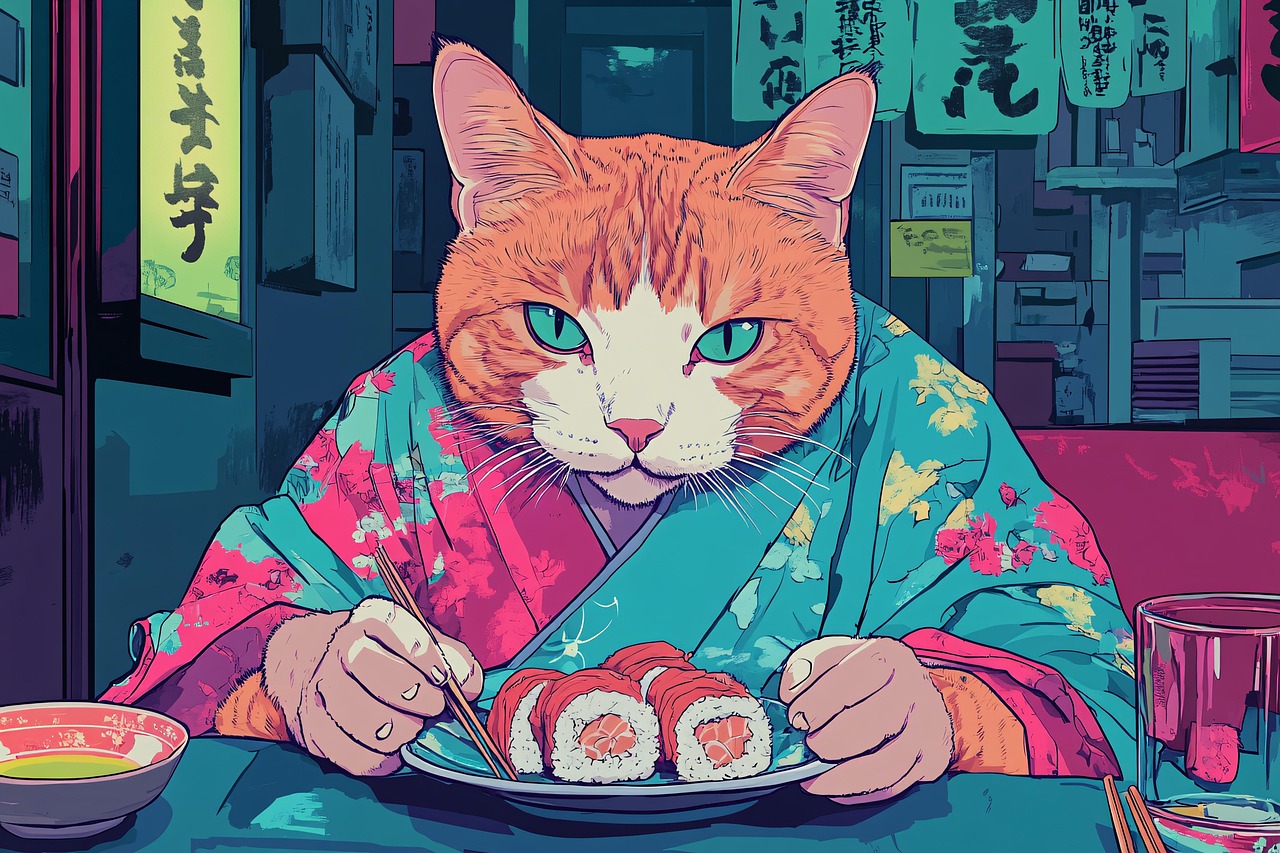

Incorporating Cultural Foods into Contemporary Cat Nutrition
Understanding the nutritional needs of cats is crucial when customizing their diets with cultural foods. Cultural preferences can influence what we feed our pets. For instance, many Asian cultures use fish as a staple ingredient. Fish provides essential fatty acids that are beneficial for cats. Incorporating types of fish, such as salmon and mackerel, can enrich a cat’s diet. Moreover, it’s vital to ensure that fish is cooked properly to avoid harmful parasites. Similarly, Mediterranean cuisines often include cooked vegetables and herbs. These can be introduced gradually, but the focus must remain on the cat’s protein requirements. In certain cultures, such as in Northern Europe, dairy products are used. However, it’s essential to monitor for lactase tolerance, as many cats lose this ability after weaning. Introducing cultural foods may require a transition period. Always consider incorporating supplements if essential nutrients are absent in cultural diets. Variety is beneficial, but balance is key. Consulting with a veterinarian about any dietary changes always ensures dietary needs are met without potential health risks. Cultural influences can enrich a cat’s dining experience while meeting their specific nutritional requirements.
Cultural Foods as a Nutritional Enhancer
Cultural foods can significantly enhance feline nutrition when appropriately integrated into their diets. Many traditional diets contain natural ingredients that offer essential vitamins and minerals. For example, in Latin American cuisine, ingredients like beans and corn can provide valuable fiber. While cats are obligate carnivores, small amounts of these foods can contribute to their overall digestive health. When incorporating any new foods, it is crucial to introduce them gradually. Monitoring your cat’s response helps to ensure they are adapting well. Moreover, some cultural traditions incorporate specific herbs known for health benefits. For instance, catnip is loved by many felines and is prevalent in various cultures. Catnip offers mental stimulation and can soothe anxiety. Many indigenous diets incorporate local produce, which is rich in antioxidants. These antioxidants can boost a cat’s immune system and overall well-being. Ensuring any new foods are safe and beneficial is vital. Not all human foods are suitable for cats, so research on specific items is recommended. Balancing cultural flavors with the essential dietary needs of cats creates a rich and satisfying feline menu.
Culturally specific diets not only cater to the tastes of the owner but also respect the pet’s natural preferences. Each region’s dietary habits reflect the local culture and environment, which can be translated into cat food. For example, in Scandinavian nations, seafood is a dominant ingredient in both human and pet diets. Cats can enjoy fresh herring, known for its high omega-3 content, promoting healthy skin and coat. Additionally, incorporating cultural foods should involve an understanding of local ingredients. Use local herbs like parsley or thyme, found in many dishes, to enrich their meals. These herbs can also help with digestion and provide fresh flavors. However, care must always be taken with seasoning and cooking methods since cats are sensitive to certain flavorings and spices. Foods that work for human palates might not translate well for feline nutrition. Therefore, it becomes imperative to adapt these cultural foods with cats’ unique dietary needs in mind. Personal experience and understanding of your cat’s behavior after introducing new foods can provide insights on what works best. Adjust gradually to find solutions that satisfy both the cat’s health and owner’s expectations.
Balancing Tradition with Modern Nutrition
To strike a balance between traditional diets and modern nutritional needs, cat owners must be mindful of ingredients. The aim is not only to follow cultural practices but to ensure health is prioritized. Often, traditional food preparation methods, such as boiling meats or fish, are healthier than frying or seasoning them heavily. For instance, Japanese diets might use less processed fish, ensuring a fresher meal. Cats thrive on protein, and ensuring the right protein sources is vital. Traditional meals can inspire unique recipes that cater to every cat’s inclinations, without sacrificing nutrition. It’s also essential to recognize that many traditional foods contain grains that may not benefit all cats. Therefore, consult with a veterinarian to refine choices suitable for your preferred recipes. Owners should document a cat’s reaction over time, noting if any adverse effects emerge. Utilizing modern dietary supplements is also a sound strategy to fill nutritional gaps left by cultural adaptations. Formulating a recipe based on traditional styles but tailored to modern pet food knowledge can provide a delightful blend for both owner and cat.
Globalization has remarkably influenced cat diets, blending traditional elements with modern foods. As people from diverse backgrounds unite, insights into cultural preferences emerge, allowing creativity in cat kitchen preparations. Such blending invites consideration of protein sources from around the world, fostering a sustainable approach to feeding. While cultures differ in their usage of grains, protein remains constant as a major focus. Many Asian cuisines utilize chicken paired with rice, encouraging a balanced approach to feeding cats. They thrive beautifully on such combinations, ensuring palatability. Innovative ideas, like including ancestral breeds of poultry or fish, introduce diversity and yield beneficial nutrients. Additionally, using techniques like fermentation from different parts of the globe can add probiotics and support digestive health. However, be cautious with ingredients deemed toxic to cats, such as onion or garlic. Research is imperative before introducing unfamiliar ingredients, ensuring that foods align with a cat’s dietary needs. Celebrate the knowledge we gain from our diverse culinary landscapes while respecting our pets’ health requirements. Engage with local culture through food, with a keen eye on what is healthy and beneficial for our feline friends.
Creating a Cultural Dining Experience
A cultural dining experience for cats combines visual appeal with nutritional value. Creating stimulating environments enhances a dining event for our pets. Presenting food in a manner that reflects culinary traditions can intrigue both cats and their owners. For example, using patterns reminiscent of cultural art can elevate the experience. Presentation can encourage exploration of new flavors since cats are naturally curious. Moreover, utilizing dishes inspired by traditional local crockery brings an added aesthetic. Keeping food fresh is essential; regular feeding habits improve a cat’s health while they indulge in cultural flavors. Using traditional recipes as inspiration for treats can turn mealtimes into celebrations. You could create fish cakes made with simple ingredients, allowing your cat to enjoy fresh meals. Incorporating local practices ensures your cat feels included in cultural moments, especially during festive occasions. On the other hand, it is crucial to remember that moderation is key. Just because certain ingredients are permissible doesn’t mean they should comprise the primary diet. Ensure treats and cultural adaptations enhance the balanced meal routine already set for overall wellness.
Emphasizing education in pet nutrition is paramount as cultural diets gain popularity. Engaging resources such as community workshops led by veterinarians can help educate pet owners about beneficial practices. Online platforms provide workshops focused on feline health, with a plethora of resources and guidelines available. Owners can utilize these educational materials to make informed decisions as new global food trends emerge. Participation in local culture through shared meals can create bonds and balance pets’ diets. Additionally, implementing culturally relevant foods can enhance the enrichment activities you partake in with your pet. Offering interactive experiences, such as food puzzles designed around cultural foods, can stimulate mental engagement for cats. Social media also plays a significant role in information sharing and discovering recipes. Pet influencers highlight various tasteful offerings, including personal testimonials on their cats’ experiences. Hence, community knowledge sharing enhances a broader understanding of cultural diets through pet families globally. Seek guidance within local communities while exploring cultural integration. Balancing knowledge with practicality offers informed choices for pet owners. From nutrients to flavors, cultural diets promise expanded veterinary insight into cat nutrition.