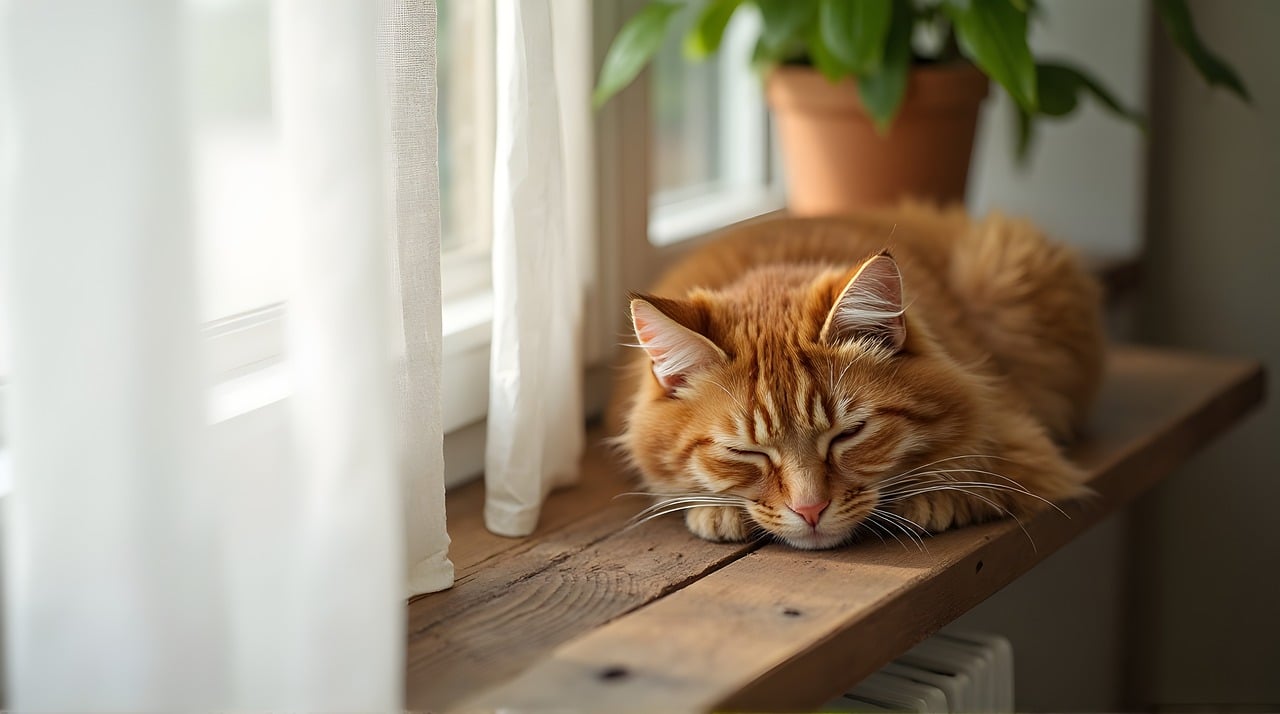

The Influence of Human Activity on Cats’ Resting Locations
Cats are known for their unique behaviors and preferences, particularly regarding their napping and resting spots. One significant factor influencing where cats choose to rest is the level of human activity in their environment. Observations indicate that cats often prefer quieter areas when humans are active. This preference might be linked to their instinctual need for safety and security. Cats are natural predators, but they also have prey-like instincts, which means they often seek out spots where they can feel safe while they sleep. As we move about our daily lives, the noise and activity can dictate a cat’s choice of resting location. Moreover, the presence of people can make certain spots less appealing. Cats might gravitate towards less trafficked areas or rooms where human activity is minimal. Hence, it’s essential for cat owners to create tranquil spaces for their feline friends to retreat. Strategies such as limiting foot traffic in specific areas, maintaining low noise levels, and providing cozy napping spots can greatly enhance a cat’s comfort and relaxation, positively influencing their behavior.
Aside from human activity, the layout of a home significantly affects cats’ choices regarding resting spots. Open spaces may feel more exposed to some cats, as opposed to cozy corners or enclosed areas, which provide them with a sense of security. Cats often love napping in elevated areas where they can observe their surroundings. Shelves, window sills, or high perches come up on their preferred lists. The ability to survey their territory creates a feeling of control and comfort. Additionally, soft, cushioned spots are ideal for them, as they crave comfort. Soft blankets, baskets, or even a dedicated cat bed can encourage prolonged resting. Semi-enclosed spaces, like cat tunnels or boxes, also attract their interest. Cats feel sheltered in these areas, making them feel safe while napping. This behavior indicates how sensitive they are to their surroundings and how important it is to cater to their preferences. Ultimately, creating a multi-layered environment with diverse options enhances their resting experience and overall wellness. Understanding these preferences is crucial for any cat owner looking to improve their pet’s life at home.
The environment of a cat can be further shaped by the sounds and scents present in a home. Sounds, including television noise, conversations, and even vacuuming, can significantly impact whether a cat feels comfortable enough to rest. Studies show that soft, calming sounds may help create a peaceful atmosphere, encouraging a cat to relax. Conversely, sudden loud noises or frequent disruptions may compel them to seek refuge in more secluded areas of the house. Scents can also play a crucial role in a cat’s preference for resting spots. Familiar and comforting smells, such as those from their owner’s belongings, can influence a cat to choose a particular area for sleeping. Additionally, the presence of pheromones found in cat products can attract them to specific spots, providing a sense of security. Therefore, understanding these sensorial preferences can assist cat owners in making adjustments to their environment. Ensuring that their resting spots are free from distracting sounds and providing soothing scents are effective ways to promote a cat’s relaxation. All these elements combined create an optimal resting environment for the cats.
Seasonal Changes: How They Affect Resting Preferences
Seasonal changes can also greatly influence where cats prefer to rest. For instance, during colder months, cats often seek out warm, cozy locations, such as near radiators or sunny spots that capture sunlight. Warmth becomes a priority for them, as it helps maintain their body temperature. A plush blanket or a heated pet bed can become their favorite resting spot during winter. In contrast, as temperatures rise with the onset of summer, cats may opt for cooler areas of the home. They might look for tiles to lie on or shaded spots away from heat sources. Understanding these seasonal behaviors is crucial for cat owners who want to meet their pets’ needs more effectively. Providing various options enhances their comfort during different weather conditions. For instance, accessible window perches that allow for sunbathing can cater to their love for warmth, while cool floors can provide a necessary respite during warmer days. Creating a multi-dimensional environment that caters to seasonal preferences can promote better rest and affect their overall well-being positively.
Another critical factor in a cat’s resting spot preference is their social dynamics with humans and other pets. Cats can exhibit varying behavior patterns, depending on their comfort level with the people and animals in their environment. In homes with multiple pets, some cats may prefer to rest in secluded areas to avoid confrontations or maintain personal space. Interactions with other pets can disrupt their resting habits, pushing them away from common areas. Conversely, in homes where cats are closely bonded with their owners, they may choose to nap in proximity to them, enjoying that sense of companionship. This behavior indicates how important understanding a cat’s feelings about their environment is. Furthermore, observing where a cat goes when they feel threatened or anxious can provide insights into their preferences. Owners should pay attention to these behaviors and adapt their living spaces accordingly. Providing different options for resting spots based on social interactions can help ensure that all cats feel secure, regardless of their home dynamics. This consideration contributes positively to their mental health and emotional stability.
Moreover, giving cats a variety of options when it comes to resting locations can significantly enhance their quality of life. Providing a combination of high and low resting spots allows for personal choice, which is highly preferred among cats. Vertical spaces such as cat trees or shelves help stimulate their natural instincts to climb, providing a secure vantage point. Meanwhile, low-level cubbyholes or soft beds enable them to feel safe and comfortable. Introducing fun and stimulating resting spots like hammock-style beds offers an alternative that encourages relaxation while keeping them engaged. All these elements contribute to a cat’s ability to explore their environment freely, further allowing them to find the ideal sleeping location that suits their mood. An enriched environment helps reduce boredom and stress, positively impacting their overall health. Regularly rotating resting spots or introducing new ones can maintain a sense of novelty for your cat, preventing them from settling into repetitive habits. Cat owners must recognize how essential diverse resting areas can be to foster a happy, healthy, and well-adjusted feline companion.
Conclusion: Understanding Cats’ Resting Preferences
In conclusion, understanding the influence of human activity, environmental factors, and seasonal changes is crucial to cater to cats’ resting preferences. Creating a feline-friendly home involves considering noise levels, scents, and how cats interact with their environment. Pet owners can significantly impact their cat’s stress levels and overall happiness by making simple adjustments. Furthermore, providing a variety of safe resting locations helps meet individual needs tailored to each cat’s personality. The goal is to ensure that every cat feels secure, whether through cozy corners, elevated perches, or even soft beds. Through attentive observation and understanding of their preferences, cat owners can facilitate a peaceful and harmonious living space. Ultimately, nurturing a cat’s natural instincts will lead to a more fulfilled and content pet. By proactively addressing their needs, owners can build a trusting relationship, where a cat feels comfortable seeking out rest in the spaces made available. Entering into their world and recognizing what helps them recharge can lead to a significant improvement in their daily happiness and health.
Taking these factors into consideration ensures cats are provided with an optimized living environment. By allowing them to select their resting spots, cats have the freedom to connect with their surroundings positively. Their resting habits not only showcase their personality but impact their well-being profoundly. In a world where anxiety and stress abound, providing an ideal resting environment is essential. Cats, being creatures of habit, thrive in settings where they feel stable and secure. Thus, owners must engage in practices that promote relaxation and comfort for their feline companions. The investment of time in understanding these needs is compensated by the joy of seeing your cat happy, relaxed, and well-rested. The journey to comprehending cat psychology is rewarding and vital for any loving owner. Pay attention to changes in their preferences and habits, and be ready to adapt the environment accordingly. Your cat’s resting locations can reflect their sense of safety, emotional state, and overall happiness. Therefore, a well-structured resting area is not just about comfort; it directly correlates to your cat’s mental health and quality of life.