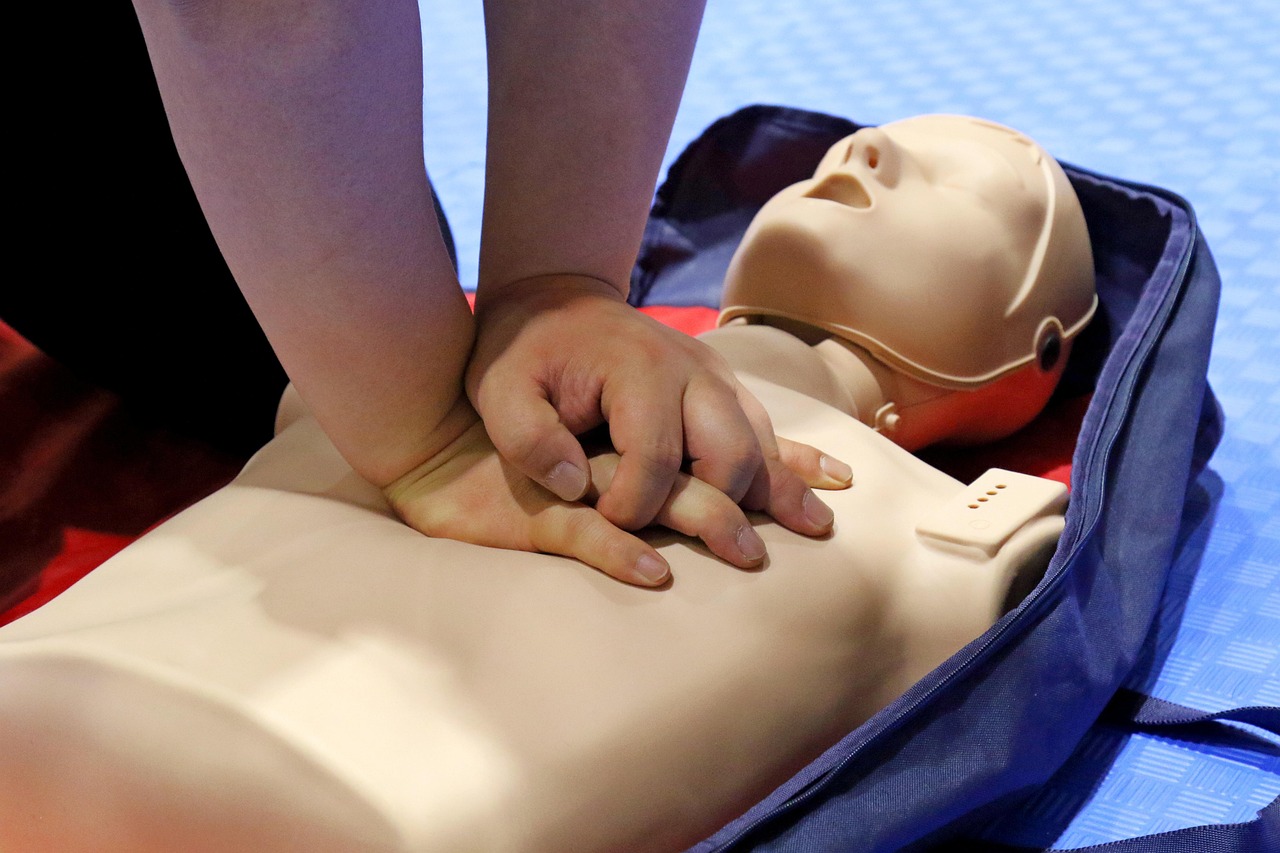

The Role of CPR in Dog First Aid
Understanding CPR is essential for dog owners. Cardiopulmonary resuscitation, or CPR, can be a lifesaving procedure when a dog is in distress. The application of proper techniques can vary, based on the size and breed of the dog. Owners must familiarize themselves with basic methods and emergency procedures. Knowing when to use CPR is crucial; scenarios include cardiac arrest, choking, or inadequate breathing. Assessing the dog’s condition beforehand can significantly improve the chances of recovery. Firstly, check for responsiveness to determine if immediate assistance is needed. If the dog is unresponsive and not breathing, commence CPR promptly.
Before performing CPR on a dog, gather necessary information and tools, if available. It’s helpful to have someone else call a veterinarian for additional support while you act. In a quiet, calm area, place the dog on a firm surface to carry out the process effectively. Begin by closing the dog’s mouth while sealing their nostrils. After a proper seal is ensured, deliver rescue breaths at a one-to-three ratio of breaths to compressions. Monitoring the dog’s chest rise is essential. Practice this technique periodically to improve your skills, preparing you for potential emergencies.
Developing the right mindset during emergencies is also vital for CPR success. Staying composed can significantly impact your ability to respond effectively. Panicking can hinder decision-making and slow your reaction times. Focus on the dog, stay aware of its breathing and pulse, and make changes as required. Explore local certification courses that specialize in pet first aid, where practicing simulated experiences takes place. Such classes also provide insight into recognizing symptoms and assessing situations correctly. Knowledge builds confidence when responding to critical situations involving pets.
Learning Skills and Techniques
One cannot overstate the importance of practicing CPR on a dog. Just as human resuscitation techniques are regularly practiced, so should those for pets. Knowing the theoretical foundation behind CPR is beneficial but practicing the techniques is equally crucial. Use dog mannequins to safely practice compressions and rescue breaths, ensuring development of a solid technique. Enroll in workshops or sessions that offer hands-on guidance from instructors, which can make a significant difference when difficult moments arrive. Reinforcement of skills is key to mastering emergency response.
Educating yourself about the signs of cardiac arrest in dogs will help you react quickly. Common symptoms include sudden collapse, unresponsiveness, or labored breathing. Recognizing these symptoms will empower you during emergencies. Observe your dog regularly for changes in behavior that may signal health issues. Regular check-ups with the veterinarian are crucial to maintaining overall pet health. Ensure vaccinations and preventive treatments are up-to-date, as these measures can limit unexpected emergencies. Prevention is always the best approach, but being prepared for the worst is equally important.
Another dimension of the conversation focuses on preventing emergencies that require CPR. Keeping your dog fit, healthy and well-fed plays a significant role in avoiding health concerns. Regular exercise and a balanced diet strengthens your pet’s heart and overall body. Training your furry friend in basic obedience commands can also aid in avoiding potentially hazardous situations. Incorporating training techniques can help control your pet better, thus minimizing accidents. Lastly, keep harmful substances away, such as toxic plants or chemicals that may pose a risk to your pet’s wellbeing.
Seeking Professional Guidance
A solid support system is fundamental for any dog owner. Build a relationship with a veterinarian whom you can consult for advice. Open communication will enhance your learning experience about first aid. They can recommend resources or classes for you to improve your skills. Being proactive in searching for the best practices indicates your commitment to your dog’s safety. Seek online resources or books dedicated to canine emergency procedures. The exchange of information in local dog-owner communities is also a valuable source of knowledge.
Always remember that every second counts in an emergency situation. Addressing signs of distress and responding with appropriate actions can be the difference between life and death. Make mental notes of the CPR process, review them often, and practice regularly alongside your pet. Moreover, creating a pet first aid kit with essential supplies is highly recommended. This kit will ensure you have the necessary tools to assist your dog in emergencies. Assemble items needed, including bandages, warm blankets, and antiseptics, which can help stabilize your dog while additional help is on the way.