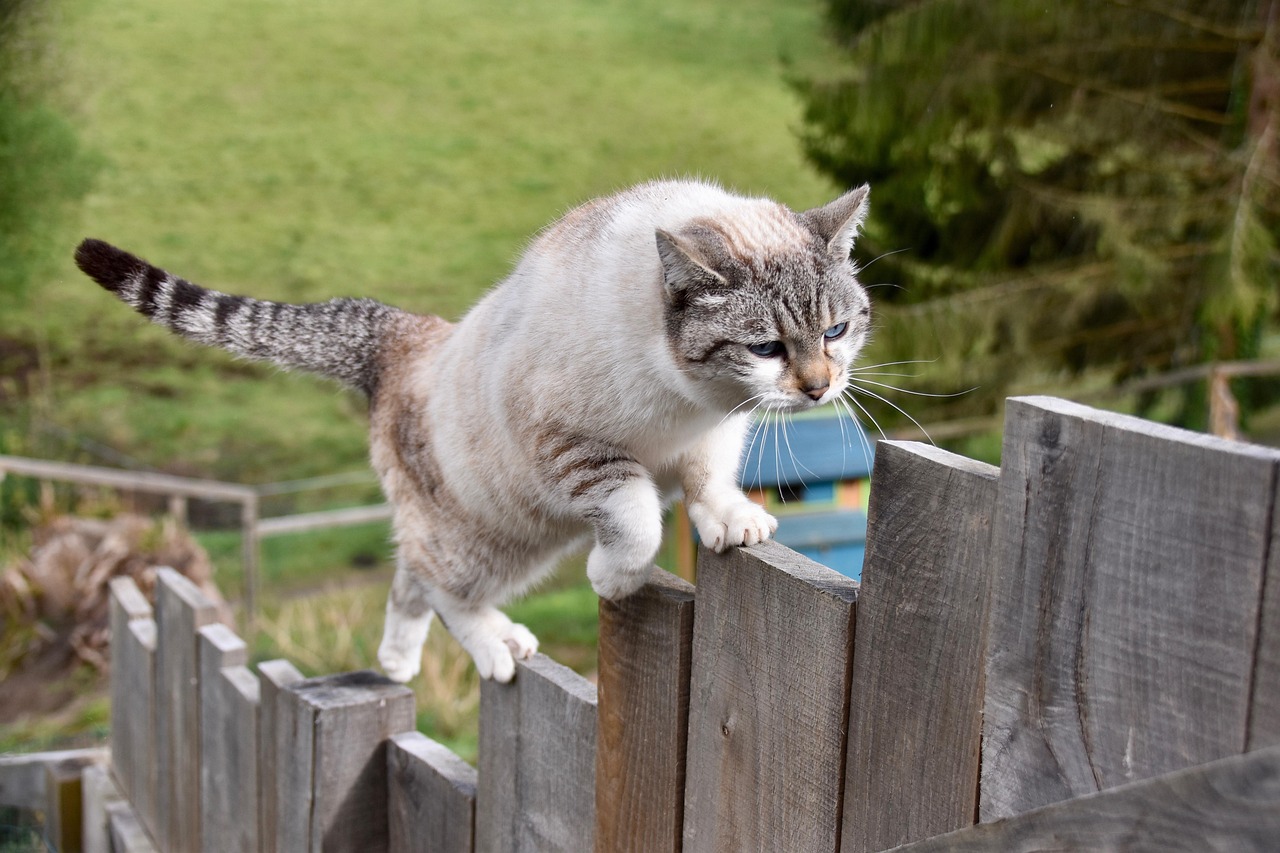

Carbohydrates: Friend or Foe for Agility Cats?
When considering the optimal diet for agility cats, carbohydrates may evoke mixed feelings among cat owners and trainers. While it’s often debated whether carbs are beneficial, they can have a role in a cat’s diet, particularly those engaged in rigorous activity like agility. The source of carbs matters greatly; some carbohydrates support overall health, offering energy without excess calories. However, others can lead to obesity and health problems if overconsumed. Carbohydrates serve as a quick energy source, allowing agility cats to maintain their performance during training and competitions. They provide fuel for intense bursts of activity, such as sprints and jumps. Opting for quality sources—such as vegetables, or whole grains—ensures that cats receive necessary nutrients. It’s critical to avoid fillers found in many cat foods, as these can adversely affect a cat’s health. Always check ingredient labels and consult with a veterinarian or a pet nutritionist to establish the best dietary regimen. A well-balanced diet contributes significantly to an agility cat’s training, making them more competitive and performing at their very best, enhancing overall health and agility.
The Role of Carbohydrates in an Agility Cat’s Diet
In understanding carbohydrates, it’s pivotal to explore their role in an agility cat’s diet. Cats, being obligate carnivores, require a high protein diet. Yet, carbohydrates can play a supportive role in maintaining energy levels during agility workouts. They contribute to vital bodily functions and provide necessary fiber for optimal digestion. For active cats, carbohydrates can replenish glycogen stores, essential for sustaining energy during training sessions. Incorporating the right balance of carbs alongside proteins and fats can enhance performance while keeping agility cats in peak physical shape. Foods such as sweet potatoes and peas are preferred carbohydrate sources. Avoid grain-heavy diets; they can lead to obesity and other health concerns. The emphasis should always be on natural ingredients, ensuring that the nutritional needs are efficiently met. To maintain agility and speed, it’s not just about energy but also about sustaining a healthy body. Proper balance in every meal supports agility cats’ sustainable performance, aiding both immediate and long-term fitness goals. Therefore, while carbs are not the primary source of a cat’s diet, they are crucial when managed wisely.
Many cat owners wonder if carbohydrates can adversely affect their pets. Some people argue that too many carbs can lead to diabetes and obesity, especially in less active cats. However, this concern is mainly applicable when diet lacks balance or includes low-quality ingredients. An overly carbohydrate-focused diet is indeed harmful, but a moderate approach with healthy carbs can boost agility cat performance. Ensuring their diet includes quality proteins along with a measured amount of carbohydrates can break prejudices about carbs in feline diets. Studies indicate that a well-rounded intake enhances energy without leading to unwanted weight gain. To clarify, the type of carbohydrates selected plays a crucial role in this equation. Fiber-rich carbs support digestion and satiety, helping agility cats feel fuller and satisfied. Also, carbohydrates can enhance mental focus during competitions. Meals featuring wholesome ingredients translate to better training experiences and improved performance during events. Low-quality carbs, in contrast, often lead to lethargy or digestive issues, countering the competitive advantages that athletes need. Thus, understanding nutritional balance helps prevent negative effects on physical health.
Choosing Quality Carbohydrates for Your Cat
Choosing the right carbohydrates is crucial for optimizing your agility cat’s health. Not all carbohydrates offer the same nutritional benefits. Whole foods such as fruits, vegetables, and certain grains can provide necessary nutrients without artificial fillers or unhealthy additives. Effective options include brown rice, sweet potatoes, and rolled oats, which are digestible and nutrient-dense. These choices supply energy for agility training and competitions, ensuring that cats remain swift and agile. When exploring commercial cat food, careful scrutiny of labels is essential. Ingredients should list protein sources prominently without unnecessary carbohydrates. Additionally, avoid grain-free diets without proper guidance, as they may not meet the necessary energy requirements. Consulting with a veterinarian can lead to personalized dietary recommendations based on your cat’s unique needs, health condition, and activity level. Considerations must be made regarding your cat’s age and metabolic rate alongside activity levels, as these factors influence dietary carb needs. Finding a balance that suits individual cats will promote longevity and improved quality of life, while facilitating performance in agility sports. Proper preparation and careful planning can yield remarkable results.
The benefits of moderate carbohydrate intake extend beyond agility performance. A well-balanced diet can improve cognitive functions and energize your agility cat for intense physical activity. Incorporating carbohydrates should be paired with regular exercise to maintain a healthy weight while promoting muscle development. Regular training combined with dietary management allows agility cats to maintain peak speed and endurance. Positive results are directly correlated with a balanced diet tailored to individual requirements. Sourcing fresh, natural ingredients whenever possible supports a better health trajectory for agility athletes. Educating oneself on common ingredients can pave the way to optimal pet care. Many agility successes can be attributed to meticulous attention to nutrition management. Owners should remain vigilant about monitoring their cats’ performance and health status. Should any negative changes occur, dietary adjustments may be necessary. It is often a fine balance between ensuring that these athletes receive enough calories while avoiding excessive energy intake. Through the combined approach of nutritional mindfulness and practical training, agility cats maximize their potential to excel in competitions while leading a healthier lifestyle overall.
Monitoring and Adjusting Your Cat’s Diet
Monitoring an agility cat’s performance is key to understanding the effectiveness of their nutrition. Owners will find value in keeping track of their cat’s weight, energy levels, and overall health. Adjustments to dietary intake, especially carbohydrates, should be made based on performance outcomes. Should an agility cat appear sluggish or less eager during training, revisiting dietary carbs may prove beneficial. Especially during high-intensity training periods, ensuring that appropriate carbohydrate levels are maintained can be right for an agility cat’s stamina and focus. Regular assessment with a veterinarian allows adjustments based on observed changes. Diet is not static and should evolve alongside the cat’s training program and life stage. Paying attention to reactions toward certain carbohydrates is paramount; some may uphold excellent performance while others can do the opposite. Furthermore, keeping food logs may help identify patterns covering energy levels throughout the day. This holistic approach embraces adjustments, promoting continuous nurturing of your agility cat’s health and training proficiency over time. With the right monitoring, agility cats can maximize their performance and lead a long, healthy life.
In conclusion, carbohydrates can serve as beneficial allies when managing the diets of agility cats. A balanced approach enables performance-enhancing outcomes and fosters overall health. Integrating quality carbohydrates complements protein intake while promoting energy reserves. Owners must remember to prioritize the source and type of carbohydrates chosen. Cats thrive on fresh, wholesome food, maximize energy, and maintain weight when following a comprehensive diet. In competition, every edge counts, and nutrition is foundational. Hence, it is prudent to research all dietary components and consider expert guidance when necessary. Understanding the dual nature of carbohydrates can transform an agility cat’s performance levels. With continued dedication to nutritional wellness, agility cats can achieve their fullest potential during competition and vibrant health in their everyday lives. Nutrition plays a pivotal role in the life of an agility cat, affecting not just performance but also long-term well-being. Providing a thoughtful blend of nutrients in a cat’s diet leads to agile athletes that remain active and fully featured. Ultimately, educating oneself about agility cat nutrition benefits both owners and animals alike.
Agility cats require special attention with their diets to promote peak performance. Carbohydrates, while sometimes viewed skeptically, can indeed play a role in maximizing their capabilities. A solid understanding of the impact of carbohydrate choices will empower owners in crafting meals that energize and sustain their beloved companions. Importantly, it is not merely about inclusion; rather, focusing on obtaining the most beneficial types directly influences training effectiveness and physical health. Through dedication to proper nutritional planning and awareness of individual cat needs, agility enthusiasts can unlock unparalleled levels of potential in their cats. With thoughtful consideration and proactive measures, every involved party can ensure the happiest and most effective journey for their agility cats.