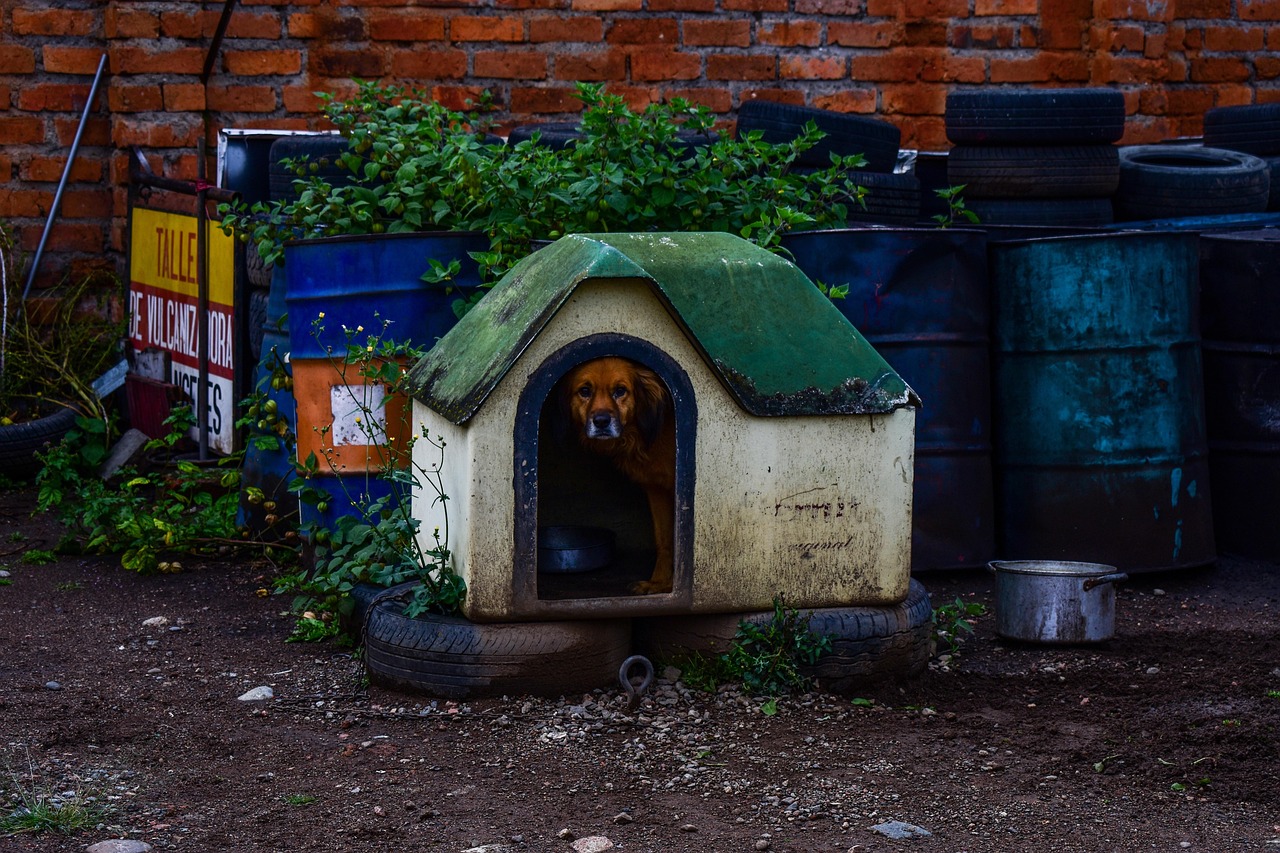

Choosing the Right Materials for Dog House Ventilation
When building a dog house, proper ventilation is crucial for your pet’s comfort and health. Selecting suitable materials can significantly influence the ventilation system’s effectiveness. For example, wood often provides better insulation, while metal can get hot quickly. Consider materials like treated pine for walls, as it helps resist moisture and prevents mold. Additionally, the choice of roofing also contributes to airflow; materials like asphalt shingles work well in various climates. Airflow is essential to regulate the temperature and keep your dog healthy. Moreover, using breathable materials ensures dogs stay dry in wet conditions. Address your dog’s needs and regional climate when choosing materials. Incorporate windows or mesh panels for additional airflow while preventing rain from entering the dog house. The layout should aim to encourage cross-ventilation, improving air circulation. This approach not only provides comfort but also enhances your dog’s overall happiness. Ultimately, carefully selecting materials influences the longevity of the dog house as well. The right decisions optimize your dog’s living space, making it a true home away from home.
Next, it is vital to analyze insulation options when considering ventilation materials. Insulation plays a key role in maintaining temperature stability in the dog house. If you live in a colder environment, polystyrene foam or spray foam are excellent choices for insulating materials. These options not only improve energy efficiency but also enhance comfort for your furry friend. In warm climates, ensure that your dog house has adequate breathability to avoid overheating. Consider materials like lightweight plywood that allow for airflow while still providing structure. Combining insulation with effective ventilation creates a balance essential for your dog’s well-being. Additionally, the dog house’s size should align with your breed’s needs to prevent overheating. Smaller structures can heat up faster, while larger houses provide excessive space that cools. Remember, keeping your dog safe and comfortable involves more than just ventilation configuration. Evaluate the regional climate and make modifications as necessary. Proper balance guarantees that your dog enjoys a safe environment, while improper choices could lead to health risks.
Another essential component is using appropriate vents and openings designed for optimal airflow. Roof vents, wall vents, or windows should operate together to create an efficient ventilation system. Ensure these are positioned strategically to promote upward airflow, especially in warmer climates. Adjustable vents are an advantageous option, enabling you to manage air circulation depending on the season. Screened openings prevent unwanted pests from entering while still allowing fresh air flow. Adequate ventilation reduces the risk of heat stress in the summer months. Furthermore, during winter, ensure ventilation remains effective without compromising warmth. Proper air exchange helps prevent mold and dampness, ensuring a safe and healthy space. Each vent type aids in maintaining equilibrium—essential for your dog’s comfort and health. Evaluate the combination of materials chosen to enhance the entire dog house structure. Remember, the goal is to create an inviting environment that promotes health and happiness. Therefore, investing time and resources into the proper ventilation system proves valuable. Not only does it protect your pet, but it also extends the life of the dog house overall.
The Role of Materials in Temperature Control
Beyond just airflow, the materials selected for the dog house will contribute to temperature control throughout the seasons. In cold weather, insulated materials effectively maintain warmth, while in summer months, reflective surfaces can help keep temperatures down. Consider using reflective roofing materials or light-colored paints to minimize heat absorption during hot days. In contrast, opt for insulated walls that maintain internal temperatures for a cozy winter space. Pairing strategically chosen materials with various ventilation options will lead to desired results. Additionally, installing a sturdy floor can repel moisture, which might otherwise compromise the insulation’s effectiveness. Ensure that the chosen floor also enables easy cleaning to maintain hygiene, an often-overlooked aspect in dog house design. Moisture can accumulate from spills or environmental conditions, leading to issues like mold growth or unpleasant odors. To prevent this, consider using materials like treated wood or vinyl, which are easy to clean. The relationship between material choice, temperature control, and adequate ventilation will collectively contribute to your dog’s long-term well-being within its space.
Furthermore, personalizing the space with added accessories can enhance the overall comfort level for your pet. Consider adding an insulated bed or blankets that retain warmth during colder nights. Additionally, using non-toxic products for any interior fabrics ensures your dog remains healthy. Explore options like organic cotton or other breathable natural materials when choosing bedding. These choices not only benefit your pet but also sustain the environment. Furthermore, consider the dog house’s elevation, which helps with airflow and drainage. Raised platforms keep the floor above moisture levels, enhancing durability and comfort. Keeping the environment clean is paramount to preventing odor and a buildup of bacteria. Regular maintenance includes cleaning vents and ensuring that materials remain in good condition. Should mold or smell arise, taking prompt action can prevent bigger health issues later. In terms of ambiance, consider including a personal touch with your dog’s name or favorite colors using non-toxic paint. Creating a pleasant and comforting atmosphere is just as important as technical aspects of ventilation and material selection. Ultimately, these decisions contribute to building a home that reflects your pet’s personality while supporting their overall well-being.
Final Considerations in Dog House Design
Finally, it’s crucial to continually evaluate your dog’s needs as they evolve. Factors such as age, health conditions, and breed-specific requirements may necessitate adjustments in your dog house design. For aging dogs, opt for lower entrances to ease access, thus promoting independence and comfort. Conversely, active breeds benefit from ample space to encourage movement and play. Continually observing your dog’s interactions provides essential clues regarding comfort and adjustments needed. Additionally, consider local climate challenges during the design process. Extreme temperatures and weather can impact the materials used and the effectiveness of ventilation. Regularly test for airflow throughout with seasonal changes; this ensures your dog’s safety and comfort year-round. If your pup experiences discomfort or distress, modifications may be necessary. Enhance the existing structure further with additional ramps and protective barriers tailored to your dog’s unique needs. Acknowledging these concerns creates a welcoming space for both relaxation and play. Lastly, engage with fellow pet owners or consult professionals for advice specific to your dog house adventures. These interactions offer valuable insights and reinforce your commitment to creating an optimal living environment.
Taking all these factors into account not only builds a safer and more comfortable home but also strengthens the bond between you and your pet. By actively participating in your dog’s environmental comfort, your dog achieves peace of mind during their time in the house. Comfort impacts behavior, promoting happiness and health. Dogs appreciate their environments and thrive in spaces designed thoughtfully for them. Whether opting for prefabricated solutions or taking the path of building from scratch, understanding material properties empowers you to make informed decisions. Continually research the latest dog house designs and materials that align with ventilation strategies. Engaging with like-minded pet enthusiasts can help you exchange ideas and experiences that enrich your design endeavors. Don’t forget to include quality time spending on exploring elements of design together with your pup. This shared experience will ultimately contribute to the growth of your relationship. Overall, thoughtful consideration of ventilation materials can transform your dog house into a positive retreat for your furry friends. Ensure that your hard work culminates in a gratifying experience that you and your pet enjoy together for years to come.
In conclusion, addressing ventilation is essential to ensuring a safe living environment for dogs. Each material chosen plays a crucial role in optimizing airflow while also contributing to temperature regulation. Being attentive to your pet’s needs and the materials available allows you to create a perfect blend of functionality and style. Additionally, integrating design elements that account for comfort and convenience ensures a harmonious living space. Tailor your dog’s house to their preferences and needs, creating a personalized retreat that serves as their home. Regular maintenance checks keep the structure in good condition, fostering ongoing comfort and safety. Don’t underestimate the benefits of a well-ventilated space for your dog; it promotes excellent health, happiness, and overall well-being. As you embark on this project, draw from the insights shared within this piece to guide your decisions. Involve your family in this process, encouraging a collaborative design approach that strengthens the bond between you and your furry companion. With each thoughtful choice, you create a delightful sanctuary fulfilling each dog’s unique requirements. The outcome will be rewarding for both you and your beloved pet, creating a cherished space for years ahead.