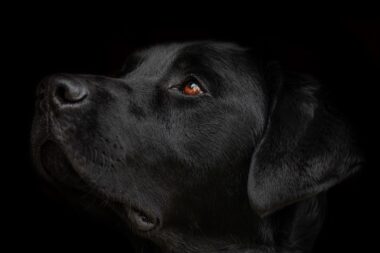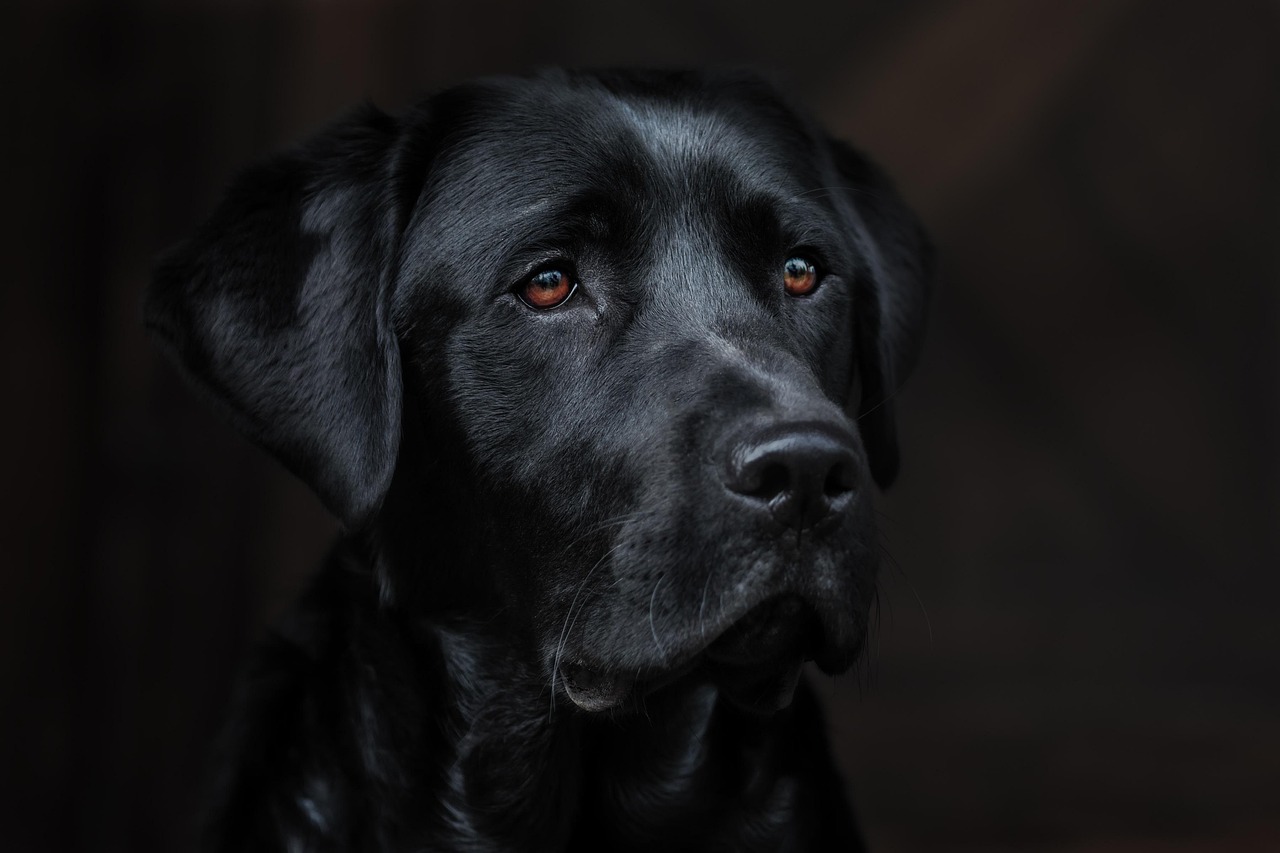

Close-Up Photography Techniques for Detailed Dog Faces
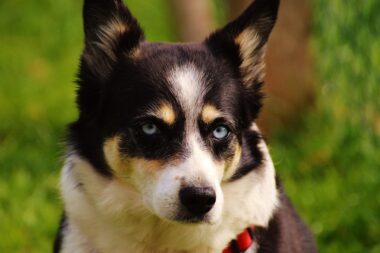
Capturing the essence of your dog through photography requires attention to detail. Close-up photography is an art form that reveals the unique expressions and features of your canine companion. To start, ensure your camera settings are optimized for macro shots. A good lens, preferably a macro lens, allows for close focusing and high sharpness. Natural light is your best friend; it enhances the colors and textures in your dog’s fur. Focus on the eyes, as they convey emotion and personality. Carefully position yourself to avoid distractions in the background while keeping your dog comfortable. Ensuring your dog is relaxed leads to more authentic expressions, so consider their favorite toys or treats. Aim for well-composed shots by applying the rule of thirds. This involves dividing the frame into thirds, placing the subject off-center for visual interest. After capturing the photos, post-processing plays a crucial role in enhancing details without over-editing. Check sharpness, contrast, and colors to ensure they are crisp. Experiment with different angles and distances to find your dog’s best side.
Ensure your equipment is ready and reliable when capturing detailed shots. A tripod can be beneficial in stabilizing your camera for sharp images, especially when using slower shutter speeds. When approaching your dog for close-up photography, take your time to build trust and comfort. Sudden movements can scare them, resulting in unfavorable expressions. Use treats to encourage them to pose or look in desired directions. Patience is key; wait for the right moment, as dogs can exhibit a range of expressions in just seconds. A well-timed shot may showcase joy, curiosity, or playfulness, which gives life to your photograph. Consider using a reflector to bounce light onto your dog from various angles, adding depth and dimension. Additionally, low angles can create a more intimate view, emphasizing the dog’s facial expressions authentically. Reviewing your photographs immediately afterward helps to assess what worked and what needs improving. Learning from each shoot builds confidence with each click. Remember, each dog has a distinct personality; capturing that essence in a photograph is half the challenge and the joy of dog photography. Celebrate the moments that make your dog unique.
Lighting Techniques for Stunning Images
Lighting is one of the most critical aspects of photography, especially when focusing on your dog’s face. Natural light works wonders, but knowing when and how to utilize it can make all the difference. The golden hour, which occurs during sunrise or sunset, provides soft, warm light ideal for close-up shots. This lighting minimizes harsh shadows and highlights your dog’s features beautifully. On overcast days, the diffused light eliminates glare, providing excellent results throughout the day. Position your dog so that the light falls naturally on their face. Avoid direct sunlight, as it can wash out colors and cause squinting. Experiment with backlighting by positioning your dog against the light source. This technique can create a halo effect around their fur, emphasizing texture. Using artificial lighting, like softboxes or ring lights, can also help when natural light isn’t available. Ensure the light isn’t too harsh to prevent unflattering shadows on your dog’s face. Understanding and utilizing lighting effectively turns ordinary pictures into captivating portraits that reflect your dog’s personality. Always remember, magical moments often happen unexpectedly during your sessions.
To capture exquisite expressions, focus on your dog’s ears and mouth. These areas can convey a multitude of emotions, from excitement to curiosity. Pay attention to your dog’s body language; an enthusiastic wag of the tail or a perked ear can signal a great photographing opportunity. It’s essential to keep your camera handy to seize spontaneous moments that reveal your dog’s character. Be aware of the background during each shoot. A cluttered or busy background can distract from your subject, so opt for more neutral environments that complement their coloring. The simplicity of a grassy field or a plain wall often works best. If your dog is adventurous, placing them in varied settings can yield diverse angles and expressions. Engaging them with toys or favorite activities helps elicit genuine emotions. Capturing candid shots helps tell a story, portraying your dog’s personality. High shutter speeds are advisable for capturing movement, especially in playful dogs. Through sheer observation, you can anticipate their next move, allowing you to capture unique expressions. Strive to develop a routine involving various settings, lighting, and situations to gain comprehensive experience.
Editing Photos to Enhance Details
The editing process is integral to dog photography, as it allows you to highlight the details captured in your close-up shots. Begin by selecting the best images, then import them into your preferred editing software. Focus on adjusting exposure, contrast, and sharpness at this stage. A slight increase in contrast can make eyes pop and deepen colors. Additionally, consider sharpening the image slightly to enhance facial features without going overboard. When handling color adjustments, aim to keep your dog’s natural hues intact while making them more vibrant. Cropping is another essential aspect of editing; it helps draw attention to your dog’s face by eliminating distractions at the edges. Be mindful with filters; they can often alter the authenticity of the image if applied excessively. A subtle enhancement works best to maintain the natural essence of your dog. Lastly, export the images in high resolution, suitable for print or online sharing. Sharing your fresh edits on social media platforms, such as Instagram, allows you to connect with other dog lovers. Celebrating the uniqueness of each shot brings joy to both you and your audience.
Engaging in dog photography requires building a rapport with your canine subject. The more comfortable your dog feels, the better the shots. Establishing your photography routine can foster a bond while nurturing patience. Spend time simply observing your dog activities before grabbing your camera. This non-intrusive approach allows you to understand their behavior, which ultimately aids your shooting technique. Practicing the skills necessary to photograph your pet includes handling the camera with ease. Regularly changing positions and experimenting with angles creates an dynamic gallery showcasing the various facets of your pet’s personality. Always be ready to capture that fleeting look, wag, or perked ear that signifies interest or engagement. Incorporate brief training sessions, rewarding your dog with treats, as it sharpens their focus and creates controlled expressions. As a photographer, don’t hesitate to make it playful; using toys or even sounds can generate authentic responses that result in multiple photographs. Celebrate the learning process alongside your growing photography skills. Each capture adds knowledge to your portfolio, bringing you closer to mastering the art of dog photography while cherishing the adorable expressions of your furry friend.
Showcasing Your Work
Once you have developed a collection of striking close-up photos of your dog, consider showcasing them. A well-curated portfolio or photo book provides an avenue to display your efforts and creativity. Engaging with online communities focused on dog photography can lead to valuable feedback and camaraderie. Sites like Instagram and Facebook have dedicated groups for pet photographers where fellow enthusiasts share experiences and insights. Participating in challenges can also boost your creative flow and inspire new concepts. Additionally, don’t underestimate the power of local exhibitions or contests, which can showcase your work in a tangible space. Collaborating with local pet businesses can lead to opportunities to display your photography in stores or events. Moreover, consider setting up a blog to share your experiences, techniques, and photography tips. This builds a personal brand while allowing you to connect with an audience who shares your passion. Remember to engage with your viewers by responding to comments and questions, fostering a community around your love for dog photography. Celebrate every small win as confidence grows in your abilities to capture the distinct expressions of dogs.
Embracing the journey of dog photography enriches your connection with both your dog and the craft itself. Every session, whether planned or spontaneous, brings joy as you explore new techniques to bring out your dog’s personality. Documenting these moments not only preserves memories but also enhances skills over time. Remember to always enjoy the process, as your passion plays a crucial role in your success as a photographer. Staying committed to developing your techniques involves exploration, experimentation, and learning from each capture. Find inspiration from other photographers and try incorporating new elements into your own style. This evolving growth allows for increasing creativity and innovation in each shoot. Consider setting challenges for yourself to push the limits of your abilities, allowing for deeper exploration into specialized themes like canine close-ups. Resiliency through the ups and downs of photography ultimately leads to remarkable achievements. Each dog is unique, just like each shot you take. Foster a love for the craft while celebrating the delightful expressions that characterize your furry models. As you continue to photograph and grow, remember that every click is an opportunity for creativity.