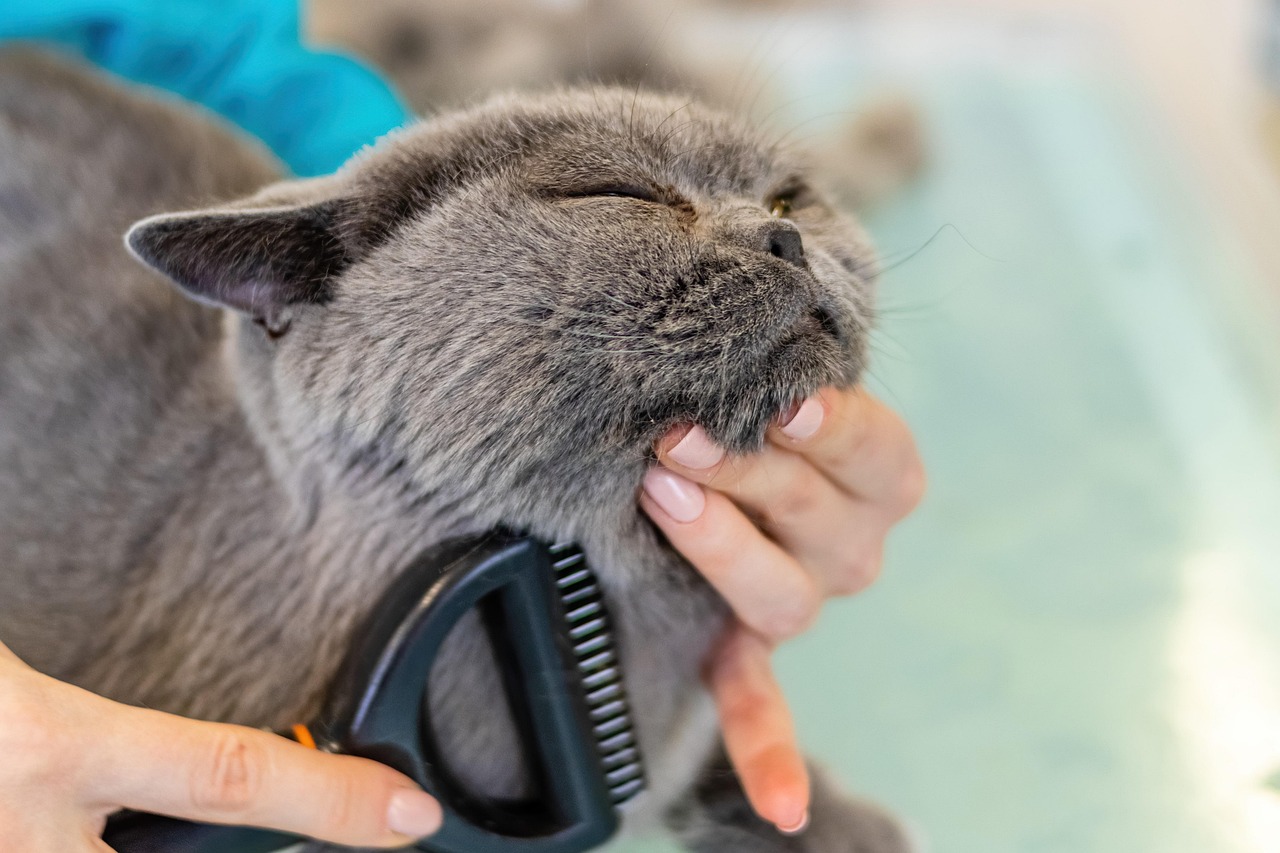

Preparing Your Cat’s Coat Before a Grooming Session
Grooming your cat properly begins long before the appointment. It takes time and effort to prepare their coat for the best results. First, ensure you gather the necessary tools. A few essential items include a good quality brush, a comb, and possibly nail clippers. These tools should be specifically designed for your cat’s breed and coat type. Familiarizing your cat with these items will make them more comfortable. Often, a cat may be wary of grooming tools, so ease them into the experience. Consider letting them sniff the items while rewarding them with treats. Establishing positive associations with grooming tools can greatly improve their tolerance. Next, choose a comfortable space for grooming sessions. A quiet, familiar area can ease anxiety for both of you. Try to make this space feel safe, possibly placing their favorite blanket or bed there. Using treats during the session will help encourage your cat to stay calm, which is essential for a successful grooming experience. Finally, plan short sessions to avoid overwhelming your cat. Aim for 10-15 minutes to start and gradually increase as they become more accustomed to grooming.
Brushing Your Cat’s Coat
Regular brushing is a vital part of preparing your cat’s coat. Not only does it help remove loose fur, but it also alleviates knots and tangles. Depending on your cat’s specific coat type, you may need different brushes. For instance, long-haired cats require a wide-toothed comb followed closely by a slicker brush. On the other hand, short-haired cats may suffice with a bristle brush. It’s essential to brush your cat gently and patiently, starting from the head and moving towards the tail. Ensure you perform this activity regularly, ideally multiple times a week. This will help maintain their coat’s health and shine. Don’t forget to reward them with praise or treats during and after brushing. This will create a positive grooming experience that they will associate with rewards. Familiarizing your cat with the sound of a brush beforehand may ease their anxiety during appointments. Make this part of their routine to foster habitual acceptance. Be consistent with your schedule so that your cat learns what to expect. Remember that a well-brushed cat not only looks better, but it also feels better, making grooming an essential aspect of cat care.
The Importance of Bathing
Many cat owners wonder if bathing their cat is necessary before a grooming session. In some cases, it can help loosen dirt and debris that brushing alone cannot remove. However, be careful to use only cat-specific shampoos to avoid skin irritation. Cats do not respond well to regular human shampoos, as they can disrupt their natural oils. If your cat has an aversion to baths, it may be beneficial to introduce them slowly to water. You could begin by simply wiping them down with a damp cloth. Make bathing a stress-free task by using treats and a gentle approach. Proper bathing should occur several weeks before a grooming session. This allows the coat to recover from washing while keeping it manageable. After bathing, ensure your cat’s coat dries completely before any grooming appointment. Failing to dry them can result in mats forming, which are more painful to remove. During the bathing process, be sure to inspect their skin for any potential issues. Look for signs of irritations or parasites, addressing concerns before they worsen. This proactive approach helps achieve the best possible results during grooming.
Checking for Mats and Tangles
One crucial aspect of preparing your cat for grooming is inspecting their coat for mats. Mats can be painful for your cat, potentially causing skin irritation. Before the groomer examines them, check thoroughly for tangles, especially in long-haired breeds. Regular checks can help prevent severe matting from occurring. When you find mats, take your time to work through them gently instead of pulling. Rather than forcing a mat out, you may want to use a mat splitter or work with your fingers to tease it out slowly. Always be patient and stay calm. If your cat shows discomfort or distress, consider stopping and re-evaluating the best approach. Brushing out mats can also become part of your routine grooming at home to reduce the need for professional attention. With consistent checking and grooming at home, you’ll easily maintain your cat’s beautiful coat while ensuring their comfort. Additionally, you’ll also help them become more accustomed to being handled, which is highly beneficial during grooming sessions. Regular home maintenance can also minimize the time spent at grooming appointments.
The Role of Nail Care
Nail trimming is often a critical, but overlooked, aspect of your cat’s grooming routine. Before a grooming appointment, check your cat’s nails to see if they need trimming. Some cats naturally wear down their nails, while others may need regular clipping to prevent discomfort. If you’re unsure how to trim nails properly, you can consult your vet for guidance or review instructional videos. Always use feline-specific clippers, as human clippers may lead to injury. Keep a treat nearby to reward your cat after each successful step. A positive experience will make future nail trims much easier. Additionally, be sure to handle their paws regularly, so your cat grows accustomed to the sensation of their feet being touched. This will streamline the process leading up to appointments. It’s ideal to keep their nails short to prevent snagging on furniture or causing injuries to themselves or others. If you face difficulty, consider discussing alternatives with your groomer, such as filing or the use of nail caps. These measures can help maintain the health of your cat’s paws and prevent injury.
Creating a Calm Environment
The environment where you’ll perform grooming tasks is just as important as the actual grooming process. Cats can be easily stressed, and a calm atmosphere helps ease anxiety. Try to keep the grooming area quiet and free from distractions or loud noises which may frighten your cat. Set aside a specific area with natural sunlight or familiar scents to make them feel comfortable. You might use a non-slip mat to prevent slipping, which can ensure safety. Additionally, maintain a steady temperature in the grooming space to keep your cat comfortable. Reducing overhead lights or using soft lighting can also make the space more relaxing. If your cat has a favorite toy or comfort item, feel free to incorporate it into the environment during grooming sessions. Allow them to settle and explore the area at their own pace before starting the grooming process. This will acclimatize them to the setting, leading to a more successful grooming appointment. The more positive the atmosphere, the more likely your cat will enjoy the experience, leading to better overall grooming outcomes.
Conclusion and Final Tips
Preparing your cat for grooming appointments involves a few key steps that can greatly enhance the experience. Begin by gathering tools and establishing a routine that includes regular brushing and nail trimming. Bathing should be carefully planned, ensuring you use appropriate products for the best results. Take the time to inspect your cat’s coat for mats and tangles regularly. Creating a calm and comfortable environment makes a significant difference in your cat’s demeanor. Finally, always consider your cat’s personality — some may require more time to adjust than others. With patience and a positive approach, you can make grooming a pleasant experience for both you and your cat. Don’t hesitate to reward your pet for good behavior; it reinforces their comfort and acceptance. Communication with your groomer about your pet’s preferences and needs is crucial. They can then provide personalized care that caters to your cat’s specific requirements. Before appointments, ensure that you have built a strong bond with your cat through gentle handling. With these tips, you’ll be well-prepared for successful grooming sessions that will leave your cat looking and feeling their best.
This additional paragraph serves as a summary of key concepts. Remember that a comfortable and loving approach to grooming your cat helps foster a trusting relationship. Each grooming task contributes to your cat’s overall well-being. The experience should be viewed as a bonding opportunity rather than a chore. Make time regularly to engage in this nurturing activity. By creating a positive atmosphere, you will encourage your cat’s cooperation during grooming sessions. After taking all these steps, the result will be a shiny and healthy coat; this also promotes a happy lifestyle. Strong emotional connections during these sessions can help your cat feel secure and cherished. As a last note, do not forget about regular veterinary check-ups as part of your cat’s holistic wellness. A professional’s insight may address areas you may overlook in home grooming. Together, with consistency and care during the grooming process, both owner and feline companion can enjoy a successful grooming experience that leaves lasting impressions.