
The Role of Photography and Media in Popularizing Dog Shows
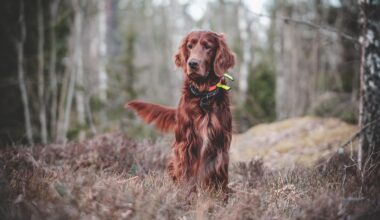
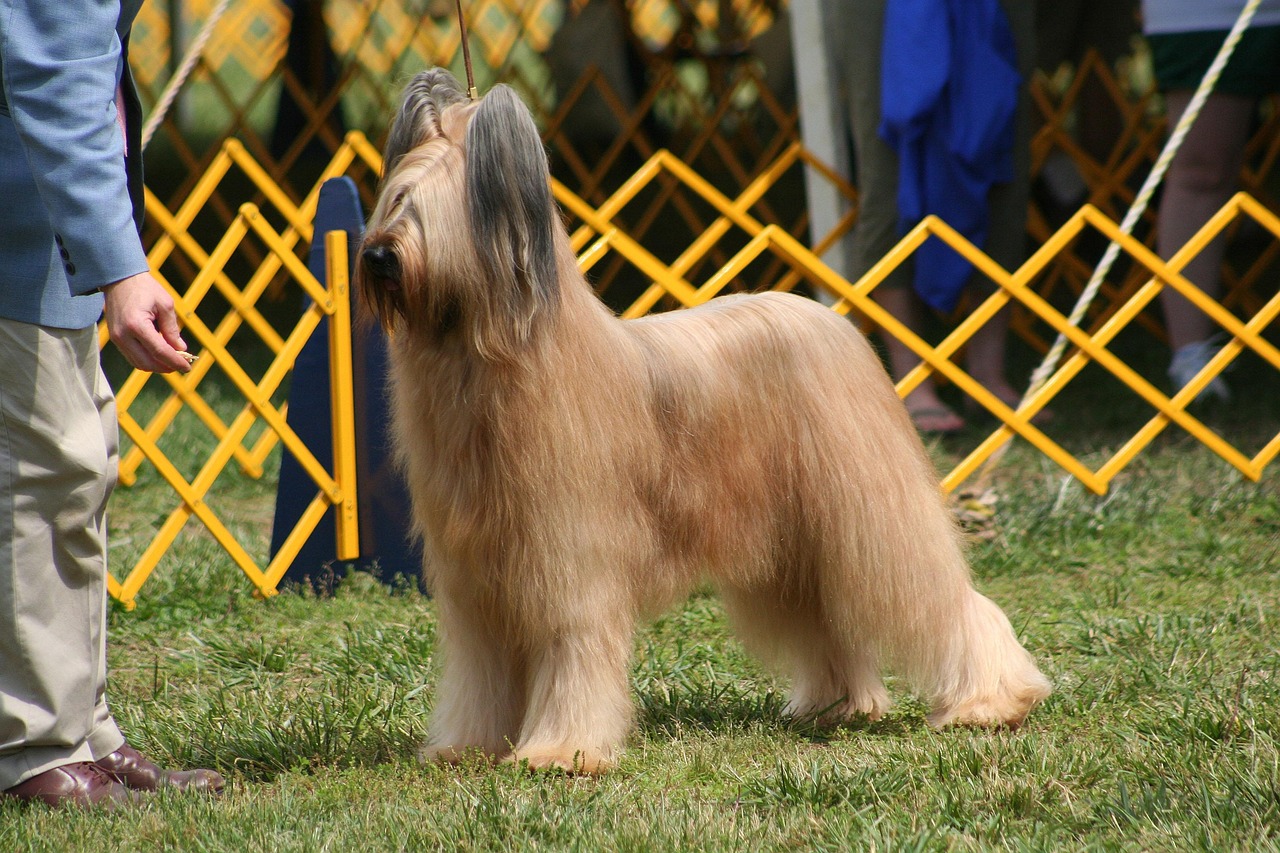
Dog shows, inherently visual events, fundamentally rely on photography and media to capture their essence and attract audiences. The history of these shows can be traced back to the 19th century when they first began as a means to showcase purebred dogs. The earliest photographs played a crucial role in documenting and immortalizing these gatherings, allowing both breeders and spectators to appreciate the unique qualities of various breeds. Over the decades, as techniques improved, photography became not just a tool for documentation but a form of art that highlighted the beauty, poise, and personality of the dogs involved. Media coverage has similarly evolved; newspapers and magazines initially informed the public about upcoming shows, eventually transitioning into dedicated dog show publications. These specialized outlets further fostered enthusiasm among dog lovers, educating them on breed standards, training tips, and show preparation. The advent of digital photography and social media has revolutionized how dog shows are portrayed, transforming them into vibrant, shareable experiences that engage global audiences and encourage growing participation. People now connect through shared passion for not just dogs, but the stories behind each breed.
According to experts, the rise of social media platforms has had a transformative impact on how dog shows are perceived and participated in by fans worldwide. Platforms like Instagram and Facebook allow enthusiasts to share photos, videos, and insights about their dogs and experiences at shows. This accessibility encourages greater engagement, making events feel less exclusive and more inclusive. As dog owners document their journeys, they create a vast tapestry of narratives that resonate with both novices and seasoned participants alike. Notably, influencers who focus on dog-related content have amassed significant followings, further popularizing dog shows and enhancing their visibility. The proliferation of hashtags related to dogs connects a diverse community, sparking conversations about responsible breeding, grooming, and training. Additionally, professional photographers collaborate with dog show organizers to highlight the best moments, ensuring high-quality imagery is readily available. This cooperation not only assists in promoting individual events, but also cultivates the overall image and community surrounding dog shows as a whole. As the modern landscape continues to evolve, it’s evident that photography and media are vital to sustaining interest and fostering participation in dog shows.
Photography traditions in dog shows vary across different cultures, reflecting not only the unique qualities of local breeds but also regional aesthetic values. The significance of capturing these events extends beyond mere documentation; it serves to celebrate the human-animal bond. Breeders take pride in showcasing their meticulous breeding efforts through photographs, while spectators come to admire the manifestations of these breeds’ characteristics. Cultural perspectives often dictate how dogs are presented, including the use of traditional attire for handlers and specific staging techniques that highlight breed standards. For instance, in some countries, elaborate themed setups might come into play, juxtaposing natural settings that accentuate the dogs’ lineage. Moreover, international dog shows frequently feature media outlets from various nations, each bringing their interpretation of what it means to honor canines. This exchange enriches the photographic narrative, creating an extensive archive that tells the story of dog breeding and showing through countless distinctive lens perspectives. Consequently, understanding cultural influences on photography in dog shows enhances appreciation for the diverse practices in this vibrant realm.
The Evolution of Media and Its Impact
As technology has advanced, so too has the complexity and capabilities of media coverage surrounding dog shows. In previous decades, television broadcasts served as primary channels for reaching broader audiences, transforming local events into national spectacles. Major networks began airing coverage of prestigious shows, such as Westminster and Crufts, allowing the public to experience these glamorous events from their living rooms. The rise of the internet has further refined how people interact with dog shows. The presence of live webinars presents opportunities for dog lovers who cannot attend in person to still engage in real-time with the events. Online streaming allows fans from all over the globe to cheer for their favorites, even submitting questions and comments during the broadcast. Engaging app developments have emerged, enabling viewers to track show schedules, judge’s scores, and learn about participating breeds. News updates and live commentaries foster interaction, transforming the viewer experience into an immersive, community-driven event. Such advancements have undeniably enhanced the visibility and popularity of dog shows, making them more accessible to a diverse range of audiences.
The impact of effective photography and strategic media has not only transformed dog shows into mainstream entertainment but also fostered a vibrant community of dedicated individuals. With millions of dog enthusiasts online, the sharing of stunning images and incredible stories has cultivated a sense of belonging and inclusivity. Social media platforms have become arenas for competition, allowing dog owners to celebrate achievements while forming friendships with like-minded individuals. As people find motivation from each other’s journeys, they seek to participate in dog shows, often inspired by photography that captures not only aesthetic beauty but also the unique temperament of each breed. From heartwarming moments to dramatic captures of competition, these images connect everyone involved in the dog show community. Photography not only preserves these fleeting moments but also elevates the narrative around dog breeding and showing. This evolving dialogue between media representation and participant experience becomes a driving force in promoting and sustaining the tradition of dog shows for future generations.
Moreover, branding opportunities within the dog show industry have been significantly enhanced thanks to media and photography. Businesses recognizing the growing dog show audience have tapped into this potential by producing a variety of products and services tailored to dog owners. High-quality dog grooming supplies, specialized nutritional products, and fashionable canine accessories flood the market, all aiming to elevate the show experience. Photographers have also established their brands, becoming integral to many events and offering services that include digital portfolios for exhibitors. These collaborations allow dog show organizers and photographers to forge mutually beneficial partnerships. As the popularity of dog shows continues to grow, deeper connections emerge between niche businesses and dog enthusiasts. Sponsors often embrace storytelling as their marketing strategy, showcasing how their products influence dog training and well-being. The synergy formed through branding initiatives backed by strong media presence amplifies the impact of photography, further solidifying dog shows as essential cultural and competitive experiences.
The Future of Dog Shows in a Media-Centric World
Looking ahead, the future of dog shows in a media-centric world promises exciting evolutions that will further alter their landscape. With innovative technologies such as virtual reality and augmented reality on the horizon, the experience of dog shows may become even more immersive. For instance, future events could provide fans with an opportunity to explore 3D environments that showcase participating dogs, enhanced by interactive features allowing viewers to learn about each breed in detail. Furthermore, predictions suggest that the growth of artificial intelligence may play a role in streamlining judging processes and improving event logistics, ensuring a smoother experience for both participants and spectators. These advancements will undoubtedly attract a new, tech-savvy audience, keeping the charm of dog shows alive while expanding their appeal to younger generations. As these shows continue to evolve, the interplay between media, technology, and engagement will reshape the popular perceptions of dog showing. Therefore, to maintain relevance, dog shows must adapt and embrace ongoing changes within the media landscape.
In conclusion, the intertwining of photography and media has played an essential role in popularizing dog shows throughout history. What began as documentation has transformed into a celebration of community, connection, and commitment to canine companions. The vibrant narratives that emerge from diverse cultural perspectives only enhance the allure of dog shows, as they offer unique glimpses into the bond people share with their pets. As technology shapes our world, the ongoing evolution of media and photography serves as a pivotal aspect of how we celebrate these events. Never before has the potential for storytelling through images been so profound, igniting interest and excitement across audiences. Embracing the changing media landscape creates opportunities not only for showcasing stunning dogs but also for sharing vital messages about dog welfare, responsible breeding practices, and community. The commitment to innovation in dog shows will ensure their ability to capture the hearts of future generations, and storytelling through photography will remain at the forefront of that narrative.