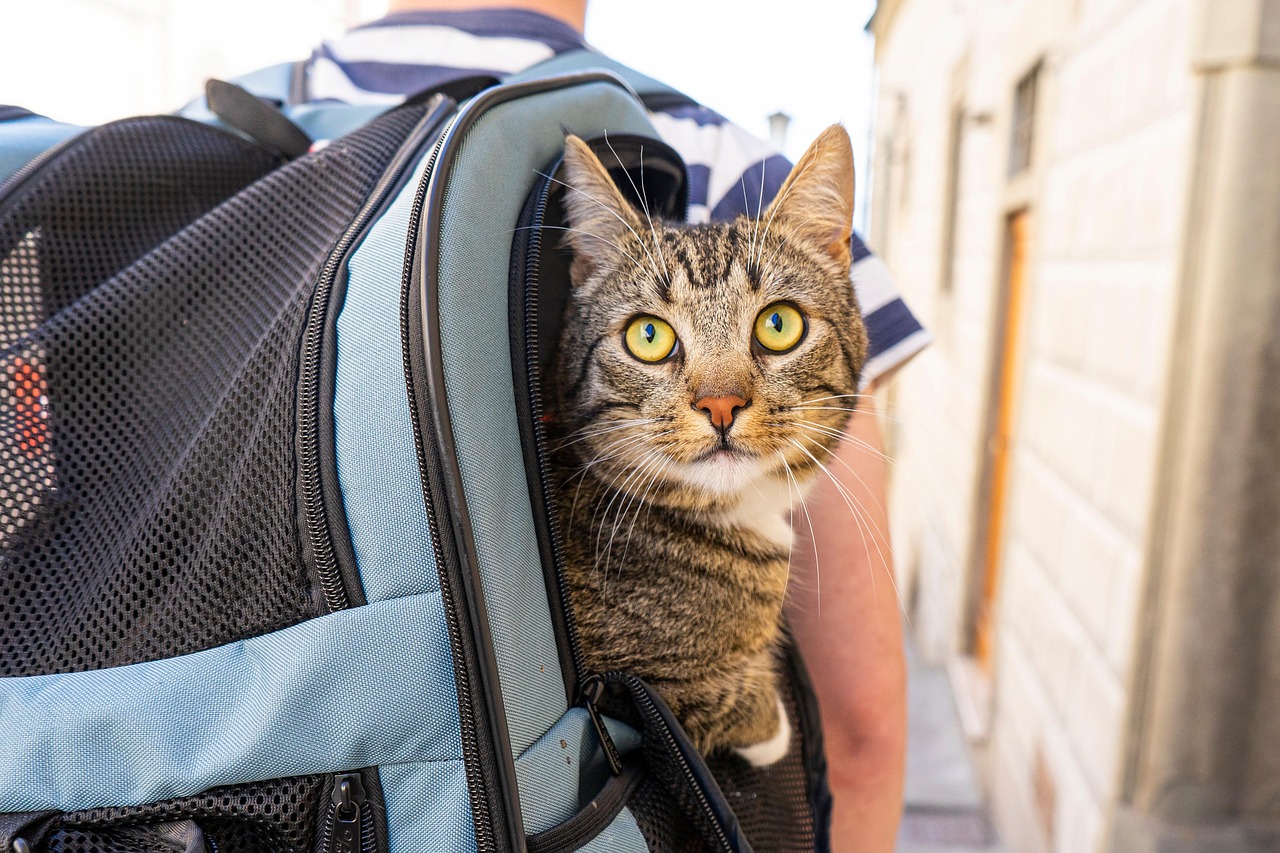

Travel Essentials for Socializing Your Cat Safely
Traveling with your cat can be an enriching experience for both you and your furry friend. However, to ensure a smooth journey, it is essential to be prepared. Start by investing in a sturdy, comfortable carrier that provides enough space for your cat to move while also ensuring they feel secure. Remember, familiarizing your cat with the carrier before the trip can greatly reduce anxiety. Place their favorite blanket or toy inside. Next, it’s important to ensure your cat’s health while traveling. Schedule a veterinary check-up and keep vaccination records easily accessible. Having a pet first aid kit is recommended; it can be invaluable during unforeseen health issues. Don’t forget to pack food, water, and necessary bowls. Staying hydrated during the trip is essential for your cat’s well-being. Additionally, consider having some treats to encourage positive experiences while traveling. Plan frequent stops during long journeys to allow your cat to stretch and use the litter box safely. With the right preparations, traveling can be a positive adventure for you and your beloved cat.
Preparing Your Cat for Travel
Before embarking on your adventure, it’s crucial to get your cat accustomed to traveling. Take small road trips to familiarize them with the vehicle and the carrier. During these outings, observe how your cat reacts; if they tolerate short trips well, gradually extend the duration of journeys. Keep the environment comfortable by ensuring proper ventilation and a comfortable temperature inside the car. Utilize calming pheromone sprays that can help ease travel-related stress. Furthermore, acclimating your cat to the sounds and motions of the vehicle can make a significant difference. A well-acclimated cat will respond better during larger trips. Don’t forget to introduce them to the various travel accessories you plan to use, from collars to travel trays. Encourage exploration and allow your cat to engage with their surroundings in a safe manner. Training your cat to acclimate to their harness will pave the way for more freedom during travel stops. Having your pet practice using their litter box in designated areas can also ease the process later on. By taking these steps, your cat will be less anxious when traveling.
Traveling with your feline friend requires thoughtfulness and care to ensure their safety and comfort. Create a checklist to keep track of all the essentials. First, ensure your cat has proper identification, including a collar with an ID tag and a microchip. The collar should have a secure, breakaway feature to prevent any accidents. This small step can save your cat from potential danger should they become separated. Additionally, consider preparing an itinerary that includes pet-friendly lodgings to avoid any last-minute surprises. Research and mark local animal hospitals on your route just in case of emergencies. During your travels, keep your cat’s routine as consistent as possible; stick to feeding and play schedules. It’s vital to maintain a sense of normalcy amidst changing surroundings. A familiar toy may further help your cat feel secure during troubling circumstances. Keeping an eye on your cat’s behavior can alert you to any signs of distress. Be patient; give them ample time to adjust to new environments. Taking these precautions will ensure a more enjoyable travelling experience for you and your pet.
Traveling by Car with Your Cat
When traveling by car, it’s important to reinforce safety protocols. Always secure your cat’s carrier with a seatbelt to prevent it from sliding during sudden stops. Opt for a rear-facing seat if possible; this allows for less turbulence. It’s crucial to never let your cat roam freely in the vehicle as it poses safety risks for both your pet and driver. During travel breaks, keep your cat in the carrier and only open it in enclosed spaces. Transporting a litter box can be beneficial in long trips, ensuring your cat has access when needed. Use a disposable litter tray to minimize mess as well. Keeping your car clean is essential too; note that cats might shed fur when they’re anxious. Bring along cleaning supplies, including extra waste bags and disinfectants. Monitor the temperature, not letting it get too hot or cold inside the vehicle. Make sure they have access to water during breaks to stay hydrated. These steps help foster a safe and pleasant journey for your feline companion.
Taking flights with your cat requires further considerations and preparations. First, check the airline’s specific pet policies well in advance to avoid inconveniences at the airport. Some airlines only allow cats in the cabin, while others might restrict them to cargo holds. Make reservations for your cat; spaces for pets are limited, so booking early is essential. Arrive at the airport ahead of time to navigate check-ins without rushing. When preparing to go through security, ensure your cat remains calm in their carrier. If possible, practice handling them in their carrier and comfort them when needed. Focusing on quiet surroundings can help ease anxiety. Additionally, consider using a soft-sided carrier for smooth handling through checkpoints. Label the carrier with your information and your cat’s details in case of emergencies. Ensure you have an ample supply of their food, water, and any medication they may need. Be prepared for changes in climate when traveling by air. At your destination, avoid immediately letting your cat venture outdoors. Take your time introducing them to new places. Following these steps will allow a smooth flying experience for you and your cat.
Acclimating Your Cat Post-Travel
Once you have arrived at your destination, the process of acclimating your cat begins. Based on their personality, provide a safe space where they can relax and explore at their own pace. Set up their belongings such as bedding, litter boxes, and toys in a comfortable area. Allow your cat to choose when to come out and explore new spaces without any pressure. Monitor their behavior as some cats may adapt quickly, while others may take longer. Patience is essential during this adjustment period; don’t force your cat into interactions with new environments or people. Offer treats to encourage exploration and make them feel more secure. Create a consistent routine similar to what they had at home; this includes feeding times, playtimes, and quiet times. Keep the noise level down, especially in the first few hours after travel, to reduce anxiety. Always check that windows and doors are secured to prevent escape in case they bolt. As they acclimate, slowly introduce them to more areas of the home while ensuring they feel secure. This careful acclimatization will help foster a sense of belonging.
Continually reinforcing positive experiences for your cat during trips can help future endeavors become more enjoyable. Regularly engage them in activities that foster trust and enjoyment. Plan play sessions and offer reassurance, especially in unfamiliar places. Engage in comforting behaviors, such as brushing their fur gently, which can further build their confidence. Frequent interactions with their environment will boost their comfort level when traveling. Always travel with their health records handy; it can ease any vet visits needed while away. Make use of portable pet-friendly items like collapsible bowls and travel beds for convenience. Gradually, as your cat builds experiences, they will learn to adapt to different environments. You can also utilize calming music to soothe their nerves during long travels. Always be visible and present for your cat, as your behavior greatly impacts their mood. Establishing good habits will set the tone for traveling together. By prioritizing your cat’s comfort and safety, you both can enjoy wonderful memories, ensuring your furry friend is a happy traveler. Travel becomes not just an adventure but a newfound bonding experience.