
Understanding Dominance and Territorial Behavior Among Dogs in Parks
Inter-dog aggression is a common issue that dog owners face in parks. This behavior can create unsafe environments, leading to injury, anxiety, and fear among both dogs and their owners. Understanding the reasons behind this aggression is crucial to mitigate conflicts that may arise during park visits. Dominance and territoriality are two main factors contributing to aggression. Dogs often establish hierarchies in social settings, with dominant dogs displaying assertive behavior towards subordinates. Parks, where many dogs congregate, can amplify these dynamics, creating tension and potential fights. Additionally, territorial behavior occurs when dogs feel the need to protect their space from intruders. It can result in aggressive stances, barking, and lunging, especially when unfamiliar dogs approach their owner or belongings. This behavior is often misinterpreted as aggression, while it is just a natural instinct to protect territory. To reduce incidents, socialization is key. Training dogs to respond positively in social settings can help them better navigate their interactions with other dogs.
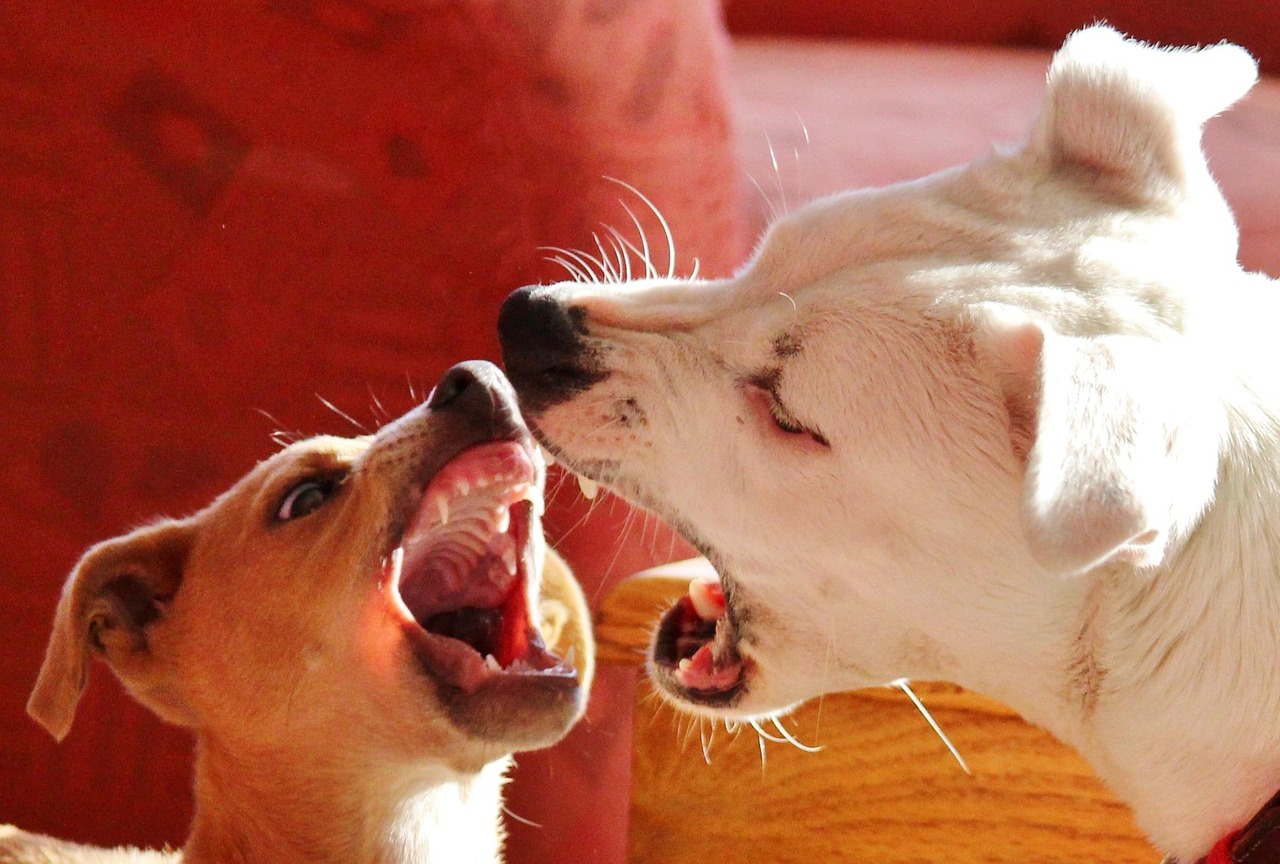
Prioritizing socialization from an early age significantly decreases the likelihood of aggression later on. Exposure to different dog breeds, sizes, and temperaments allows dogs to learn essential communication skills. Engaging in group training sessions or obedience classes can be beneficial in these early stages. Moreover, understanding dog body language plays a crucial role in preventing conflicts in parks. Dogs communicate volumes through non-verbal cues, which include postures, vocalizations, and facial expressions. Recognizing signs of discomfort or aggression, such as raised hackles or bared teeth, enables owners to intervene proactively. Furthermore, leash etiquette matters significantly. Owners should keep a close eye on their dogs on leashes, allowing them to interact within boundaries rather than allowing free-range behavior. If a dog is displaying aggressive tendencies, owners should calmly redirect their focus rather than responding with anger or panic. This helps create a peaceful environment in the park. Finally, fostering positive interactions through structured play can pave the way for better behavior and understanding among dogs, reducing aggression and enhancing overall park visits for everyone.
Common Triggers for Aggression
Understanding common triggers for inter-dog aggression in parks helps owners navigate challenging situations effectively. One primary trigger is resource guarding. This behavior occurs when dogs exhibit aggressive behavior to protect food, toys, or even their owners from perceived threats. For instance, if a dog has a favorite toy, it may react aggressively towards another dog trying to approach it. Similarly, certain breeds may be more prone to aggressive territoriality than others. Recognizing these traits allows owners to manage their dog’s interactions with clear boundaries and expectations. Additionally, fear-induced aggression is abundant in park settings when a dog feels threatened by others, resulting in flight or fight behavior. It is crucial to assess a dog’s comfort level and work through fear gradually rather than exposing them to overwhelming situations. A negative experience may reinforce aggressive tendencies. Moreover, stressful environments, such as crowded parks or unfamiliar groups, can also trigger aggression. Owners should choose quieter times for park visits to help their dogs acclimate to diverse social environments gradually.
Another essential element in addressing aggression is understanding the dogs’ play styles. Dogs have varying approaches to play, and mismatched play styles can lead to aggression. For example, one dog may be overly assertive, prompting another dog to display defensive behaviors. Owners should be aware of these differences and intervene if play becomes too rough or intense. This awareness fosters healthier interactions and reduces the likelihood of aggressive incidents. Additionally, monitoring your dog’s energy levels is vital when interacting with others. An overstimulated or overexcited dog may struggle to engage appropriately. In these cases, taking breaks during play can help them regather their composure. Furthermore, utilizing proper tools, such as harnesses, can provide better control and security, promoting a safer environment for all dogs involved. Consistently training dogs with positive reinforcement techniques also encourages more desirable behaviors. When owners respond positively to appropriate behavior, they create a positive association with social interactions, enhancing the overall canine experience. The bond between owner and dog strengthens as both parties learn to communicate effectively through these interactions.
Owner Responsibilities in Managing Aggression
As a dog owner, understanding your role in managing aggression is fundamental to fostering a safe and pleasant park atmosphere. One of the primary responsibilities is keeping your dog leashed and within your control. This helps prevent unexpected confrontations or aggressive encounters. In addition, educating oneself about local regulations regarding park use is essential. Specific rules may dictate dog behavior, including leash laws and designated off-leash areas. Adhering to these guidelines showcases responsible pet ownership and promotes a respectful community. Furthermore, being aware of your dog’s mood is critical in assessing when it’s appropriate to visit a park. For instance, if your dog has recently shown signs of stress or anxiety, it may be best to postpone such visits until they are better prepared. When visiting parks, actively observing the dynamics among dogs is crucial. Recognizing potential conflicts before they escalate allows you to intervene, redirect, or remove your dog from a stressful situation. Additionally, encouraging owners of other dogs to do the same fosters a more harmonious environment, promoting positive interactions and reducing the risk of aggression in parks.
Finally, fostering a community of understanding and communication among dog owners allows for effective management of aggression and promotes safe interaction. Engaging in discussions about behavioral issues and sharing successes or failures can provide valuable insights to others. Group activities, such as dog training workshops or playgroups, can also serve as great opportunities for dog owners to connect and build relationships. By working together, the community strengthens its ability to address aggression and support responsible pet ownership. Moreover, establishing guidelines for appropriate dog interaction may encourage consistent behaviors across the park. Sharing best practices can lead to a more aware and educated dog-owning community, ultimately resulting in fewer aggressive incidents. Regularly checking in with local dog training experts about behavior management strategies further facilitates personal learning and help with dog development. By fostering these connections, we can collectively enhance the quality of dog experiences at parks, making them enjoyable and safe spaces for all. Meetings or sessions focused on understanding inter-dog aggression can provide informative discussions that benefit the community and improve overall well-being.
Conclusion
In conclusion, understanding dominance and territorial behavior among dogs is essential in reducing inter-dog aggression in parks. Factors like resource guarding, fear-induced aggression, and mismatched play styles contribute significantly to aggressive encounters. Furthermore, dog owners should prioritize early socialization, recognize body language, and learn to manage their dogs effectively in social settings. Consistently applying positive reinforcement techniques enhances desirable behaviors while cultivating a safer environment for all involved. Collaboration among dog owners helps create a respectful community where responsible pet ownership thrives. Educational initiatives involving expert advice and shared experiences pave the way for better understanding and management of aggression. Regular assessments of situations help identify potential conflicts early and encourage good practices that benefit both dogs and their owners. Together, we can promote harmonious dog interactions, ensuring that parks serve as safe and enjoyable spaces for everyone. Building these strategies aids in forming healthier relationships, providing an important platform for dog growth and socialization. By recognizing these behaviors, we can pave the way for happy adventures with our pets in the parks we cherish.
Understanding Dominance and Territorial Behavior Among Dogs in Parks
Inter-dog aggression is a prevalent issue that dog owners face in parks. This behavior can create unsafe environments that lead to injury, anxiety, and fear among both dogs and their owners. Understanding the reasons behind this aggression is crucial for mitigating conflicts that may arise during park visits. Dominance and territoriality are two main factors contributing to aggression. Dogs often establish hierarchies in social settings, with dominant dogs displaying assertive behavior towards subordinates. Parks, where many dogs congregate, can amplify these dynamics, creating tension and potential fights. Additionally, territorial behavior occurs when dogs feel the need to protect their space from intruders. It can result in aggressive stances, barking, and lunging, especially when unfamiliar dogs approach their owner or belongings. This behavior is often misinterpreted as aggression when it is merely a natural instinct to protect territory. To reduce incidents, socialization is key. Training dogs to respond positively in social settings can help them better navigate their interactions with other dogs.