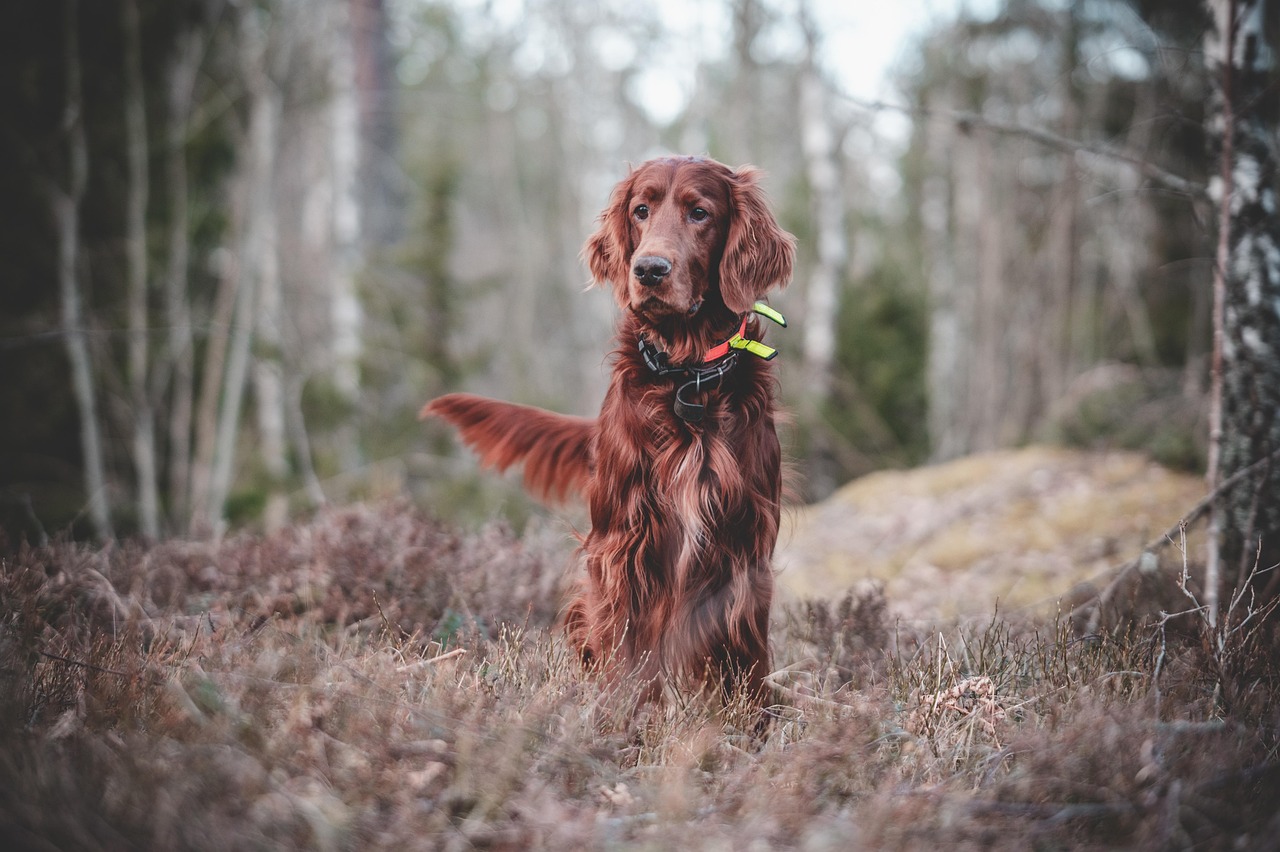

Understanding Your Dog’s Body Language in the Crate
Understanding your dog’s body language while they are in the crate is crucial for ensuring their comfort and reducing anxiety. Dogs communicate their feelings through body language, offering insights into their emotional state. For example, if your dog is whining or scratching at the crate, it may indicate that they are feeling anxious or uncomfortable. Additionally, observing your dog’s ears, tail, and overall posture can help you assess their mood. A tucked tail often indicates fear, while a wagging tail can signal excitement. It is essential to recognize these signs, as they can indicate how your dog is adapting to crate training. Each dog is unique, meaning their reactions may vary. Owners should remain patient and attentive during this adjustment period. Using positive reinforcement techniques, such as treats or toys, when the dog exhibits calm behavior in the crate can reinforce a sense of security. This positive association can help dogs feel more at ease, making crate training more successful. Always remember to create a safe and welcoming space for your dog within the crate, as this will further promote a positive experience for them. Proper crate training can lead to long-term success and a happier dog.
When observing body language, it is important to take into consideration the context in which the behavior occurs. Stress and excitement can cause dogs to react differently in various environments. For instance, if a dog is barking within the crate, assess the situation. Are they seeking attention, or are they feeling threatened? Often, the environment plays a role in shaping their behavior. Stress signals, such as panting or pacing, often accompany barking, indicating the dog may need reassurance. Understanding these nuances is key to addressing your dog’s needs effectively. It’s also worth noting that a calm dog will generally have relaxed body language and a soft gaze. If your dog appears stiff or has a hard stare, they may be communicating anxiety or discomfort. Hence, owners should always remain observant, as this will aid in building a deeper bond with their canine companions. When dogs exhibit excitement or happiness in the crate, this can be expressed through playful postures and wagging tails. Taking these signs into account can enhance their crate experience, making them view the crate as a safe haven rather than a confinement space.
Signs of Anxiety in the Crate
Recognizing signs of anxiety in context to crate training is essential for any dog owner. Common indicators include excessive barking, drooling, or attempts to escape. If a dog constantly scrapes at the crate door or tries to climb out, these are clear indications of distress. Watch for sudden changes in behavior; if your dog previously enjoyed the crate but now appears fearful, it could signal discomfort or a traumatic incident. Additionally, signs such as refusing to enter the crate and abdominal trembling may further denote anxiety. Understanding these warning signs allows owners to take timely action, helping to alleviate their dog’s fears. Establishing a routine can significantly ease anxiety; feeding, bathroom breaks, and crate time should ideally follow a consistent schedule. This predictability provides dogs with a sense of security. Equally important is the crate environment itself; ensure that it contains familiar items, such as bedding or toys. These can provide comfort and reassurance. Gradually introducing your dog to the crate by making it a pleasant space is another effective strategy. Crate training requires a commitment to understanding your dog’s needs; doing so ensures a comfortable and supportive experience.
To foster familiarity with the crate, try using gradual introductions. Initially, leave the crate door open, allowing your dog to explore at their own pace. Reward them with treats or affection each time they approach or enter the crate. This strategy helps your dog develop positive associations with the space, alleviating potential fears. Additionally, consider the duration and timing of crate sessions; do not rush the process. Short sessions gradually increase over time allow your dog to adapt without overwhelming them. Avoid using the crate as a form of punishment, as it may create negative associations that hinder positive experiences. Create an environment that promotes tranquility, perhaps by covering the crate with a blanket to make it feel cozier. Soft bedding and favorite toys can help enhance the sense of safety for your dog. Observing your dog’s reactions to these adjustments is key; if they show signs of relaxation, continue reinforcing their good behavior. Building trust through patience and understanding will significantly enhance the crate training experience for both you and your dog. A well-adjusted dog can enjoy their crate and understand it as a personal space for comfort and relaxation.
Creating a Positive Association with the Crate
Establishing a positive association with the crate requires time and consistent effort. An effective way to encourage your dog is through the use of praise and rewards. When your dog enters the crate willingly, reward them immediately with a tasty treat or gentle praise to reinforce this behavior. This practice encourages them to view the crate as a rewarding space. You can also play short games with toys outside or near the crate and gradually incorporate crate time into play sessions. This approach encourages mixing fun and relaxation within the same context. Consider using toys specifically designed for crate use, such as puzzle toys filled with treats, which can keep your dog mentally stimulated while in the crate. Another technique involves feeding your dog their meals in the crate, creating a positive context for crate time. Additionally, practicing short separations from your dog when they are comfortably resting in their crate can help them adjust to periods of solitude. Building their tolerance for being alone is essential to prevent separation anxiety. By fostering these positive experiences, your dog will learn to enjoy their crate, making the training process more successful.
Monitoring how your dog reacts as crate training progresses provides valuable insights regarding their comfort level. It is important to celebrate small victories, like successfully settling down in the crate for a few minutes. Observe and take note of the body language your dog exhibits; a relaxed dog will showcase soft facial expressions, while tension can indicate lingering discomfort. If your dog seems particularly anxious, consider adjusting your approach to crate training. Reassessing methods may help tailor the experience to better suit their needs. Engaging with other dog owners or behavioral experts can also provide beneficial insights and advice tailored to your dog’s specific situation. Practicing patience and being attentive to your dog’s signals will reinforce trust and strengthen your bond. This process will allow for a smoother transition into positive crate experiences, creating a safe haven for your furry friend. With time, patience, and understanding, you can help your dog feel secure, which can lead to successful crate training and less anxiety. Remember, each dog is unique, and taking the time to understand and respond to their needs is essential in this journey towards successful crate training.
Conclusion: Embracing Your Dog’s Unique Communication
In conclusion, embracing your dog’s unique communication while they are in the crate enhances the crate training experience for both dog and owner. Recognizing and interpreting body language fosters a deeper understanding of your dog’s emotional state, helping you to provide the necessary support and comfort they require. As you become more attuned to your dog’s reactions, using observational skills aids in modifying behaviors. This understanding also allows you to build a nurturing environment where your dog feels safe and cared for. Remember, consistent practice and patience are key elements in successful crate training. Make it an enjoyable journey, filled with positive experiences. Thus, every interaction may strengthen the bond you share with your furry companion. As your dog becomes more acclimated to their crate, their body language will begin to reflect their comfort and security in that space. Positive reinforcement and a consistent approach can lead to significant improvements in their connection to the crate. Take these lessons to heart as you embark on your crate training journey, allowing for a richer understanding of your dog’s needs and emotions. Providing an attentive and loving environment ensures your dog thrives and flourishes during crate training.
Behavior stemming from innate instincts and learned responses shapes your dog’s crate experience. Factors such as breed characteristics and individual temperament also influence crate behavior. Paying attention to your dog’s signals and creating a nurturing environment will support their needs. Over time, with consistent reinforcement and patience, you will see improvements that lead to a happier dog. A successful journey in crate training enhances not only their comfort in the crate but also solidifies the bond between you and your dog, promoting trust and understanding in your relationship. This investment in time and effort paves the way for a harmonious coexistence and a lifelong appreciation for your dog. Thus, the crate evolves from a source of anxiety to a safe retreat. This transformation reaffirms the benefits of understanding dog behaviors and the reasons behind them. Practicing empathy and consistent training will enrich your experience and yield positive interactions. Additionally, utilizing resources such as guides and expert advice will further assist in this training process. Create a supportive environment for your dog through active engagement, ensuring you strengthen this important aspect of their training journey.