
Cleaning and Maintaining Dog Food Storage Containers
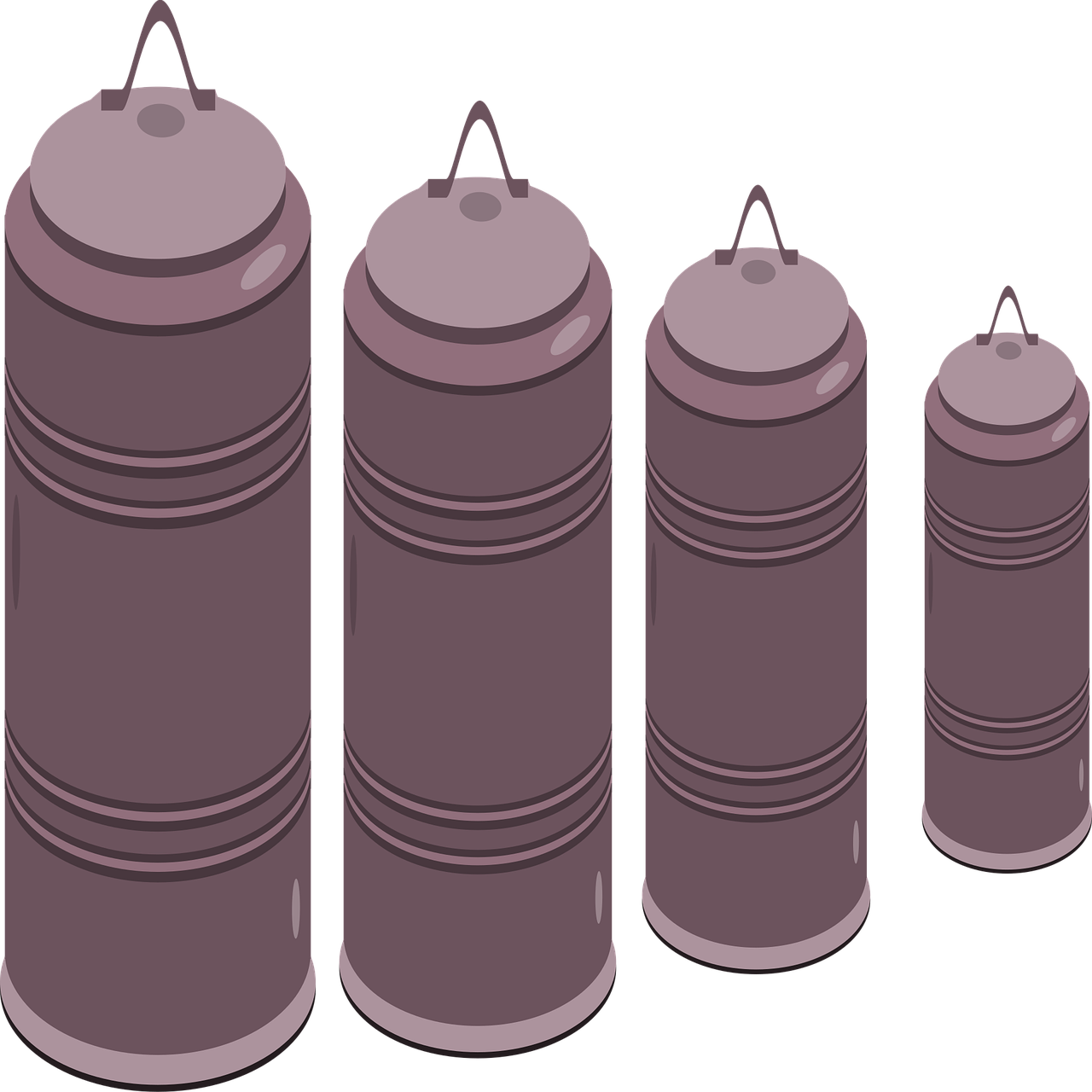
When it comes to keeping your dog’s food fresh and safe, maintaining the cleanliness of storage containers is essential. Start by selecting the right container made of food-grade materials. Ensure that it is airtight to lock in freshness while preventing pests. Once you have the perfect container, begin by regularly cleaning it to eliminate any residue and avoid bacteria buildup. To clean, empty out the container completely and wash it with warm soapy water. If possible, use a scrub brush to reach corners and crevices. After washing, rinse thoroughly to remove all soap residue, which could affect the food’s taste or safety. Allow the container to dry completely before adding food back in, as moisture can lead to mold growth. For deep cleaning, consider using a solution of vinegar and water to disinfect. This method is effective in combating odors and sanitizing the container without harmful chemicals. Regular inspections of food stored within are also crucial, as expired or spoiled food can impact your pet’s health. By regularly cleaning and inspecting your dog food storage containers, you promote optimal health for your furry family member while minimizing risks.
Choosing the Right Cleaning Supplies
Selecting appropriate cleaning supplies for your dog food storage containers is paramount for maintaining hygiene. Opt for materials that are pet-safe and non-toxic, ensuring your dog’s health remains uncompromised. Start with biodegradable soap, which effectively cleans without harsh chemicals. You may also want to have white vinegar on hand, known for its natural antibacterial properties. Additionally, gather a soft sponge or cloth and a sturdy scrub brush for tough stains. Avoid using anything abrasive that could scratch the container’s surfaces, as this makes cleaning less effective. Consider using baking soda as a natural deodorizer when cleaning to combat any lingering smells from previous contents. In terms of storage, keep all cleaning supplies organized in a designated area to ensure easy access when maintenance is due. Make a cleaning schedule to establish a routine and keep track of when your containers were last cleaned. Always rinse your containers thoroughly after using cleaning supplies to avoid residue that may contaminate your dog’s food. By taking these steps, you not only ensure a clean storage environment but also promote the overall well-being of your pet prepared with fresh food.
When cleaning dog food storage containers, remember to take safety precautions. Always check if the container has specific cleaning instructions from the manufacturer. Some materials might react negatively to certain cleaning agents, which could lead to damage or contamination. If your container is made from metal or stainless steel, utilizing vinegar as a cleaner is highly effective. However, ensure not to use any scrubbers that can scratch the surface. For plastic containers, use soft sponges and ensure to dry thoroughly to prevent warping. For deep cleaning, occasionally soak the container in a mixture of vinegar and water, allowing it to sit for some time. This method helps remove stubborn residue and odors inherent in food. For pet owners dealing with allergies or sensitivities, opt for hypoallergenic cleaning products. Remember that scent doesn’t guarantee cleanliness; thorough rinsing of all products is essential after use. Regularly check for any signs of wear in your containers to ensure they are still effective for storage. By following these safety steps, you create a cleaner environment and a fresh supply of food for your furry companion.
Understanding Food Storage Duration
The duration of food storage in dog containers plays a critical role in maintaining freshness and quality. For dry commercial dog food, it’s crucial to check the expiration date before purchasing. Once the bag is opened, aim to consume it within six weeks to two months, depending on the manufacturer’s recommendations. For homemade dog food, the situation becomes a bit trickier, as it doesn’t hold up as long. Always refrigerate leftovers and use them within three days. During this time, ensure the storage container is airtight, preventing any humidity or contamination that might accelerate spoilage. Be aware that factors such as temperature, humidity, and sunlight can impact how long food remains fresh. Keep the containers in a cool, dry location away from direct sunlight for maximum lifespan. Always label food containers with dates to track how long contents have been stored. Furthermore, regularly check for any signs of spoilage or foul odors. By understanding food storage durations and adhering to best practices, your pet will enjoy smoother digestion and better overall health, free from the risks associated with expired food.
Incorporating a systematic approach to cleaning dog food storage containers yields several benefits. Regular cleaning reduces the risk of pest infestations, especially from insects like weevils or ants that may be attracted to pet food. Additionally, maintaining cleanliness helps reduce odors, ensuring the storage area remains pleasant for you and your dog. Choosing a suitable spot for your dog food container is key since moist or hot areas invite bacteria growth. Avoid infrequent deep cleaning, as residual food particles can negatively impact your dog’s health over time. If you happen to notice any insects, make sure to dispose of the affected food immediately to prevent further contamination. After cleaning, allowing the container to breathe before reusing ensures freshness. Consider adding desiccants designed for food storage, as these help reduce moisture buildup within the container. This extra precaution can prolong the shelf life of your dog food considerably. Raising awareness of the importance of regular cleaning habits fosters a healthier environment for both you and your beloved pet. With a proactive maintenance plan, healthy food storage practices will become an effortless part of your routine.
Inspecting for Wear and Tear
Regular inspection of your dog food storage containers for wear and tear is equally important. Over time, repeated use and exposure to various conditions can damage containers, potentially leading to compromise in food safety. Check for any cracks, breaks, or warping that may occur due to the container’s material. When you notice wear, it may be time to invest in a replacement to ensure optimal storage conditions. Make sure gaskets seal properly, ensuring the airtightness of your containers; this can prevent spoilage or pest access. Early signs of rust in metal containers should not be ignored, as they may indicate compromised safety for food storage. When inspecting, also look for any residual odors that could affect future storage; if needed, perform a thorough cleaning before repacking. Additionally, consider asking your veterinarian for recommendations on suitable containers for various types of dog food, as this can provide valuable insight into durability and composition. By staying vigilant about the condition of your storage containers, you contribute significantly to maintaining a safe, healthy environment for your furry friend.
In conclusion, keeping your dog food storage containers clean and well-maintained is pivotal for the health and happiness of your pet. Adopting a routine that includes regular cleaning, inspections, and proper storage conditions ensures that food remains fresh and safe. Utilize the right cleaning supplies, and follow manufacturer guidelines when applicable to avoid causing damage. Be aware of the specific storage duration for different types of dog food, adapting your practices accordingly. Moreover, staying vigilant for any sign of wear can further bolster your food security practices. Engaging in monthly evaluations of your storage system establishes a reliable schedule, allowing for easier management. Your diligent approach to this seemingly mundane task can drastically improve your dog’s quality of life, promoting a happier and healthier lifestyle. Don’t forget to consult with professionals for tailored advice, ensuring you’re following best practices. Quality care extends beyond a nutritious food choice, including how we manage and store that food. By embracing these strategies, pet owners demonstrate their commitment to the well-being of their pets, creating a safe environment filled with nourishing meals.
Final Thoughts on Dog Food Storage
When considering overall health implications, the cleanliness of dog food storage containers plays an underappreciated but vital role that impacts pets significantly. Taking the time to ensure you maintain your storage containers not only prevents contamination but also shows your love and dedication to your pet. Reflect on your cleaning schedule and practices to see if they align well with the health needs of your dog. Getting into the habit of thoroughly inspecting food storage can lead to heightened awareness about how to provide your pet with the healthiest options available. Lastly, choose containers that align with your lifestyle and follow a strict routine for thorough upkeep. An informed pet owner sets a solid foundation for their dog’s nutrition and health. Not only will your pet thank you for the effort with wagging tails and joyful barks, but your commitment can lead to years of healthy companionship. Following best practices ensures that you are not just feeding your pet, but you are also providing high-quality, safe meals that contribute to a long, healthy life together. So take that first step today, and start your cleaning and maintenance journey!