
Essential General Dog Safety Tips Every Owner Should Know
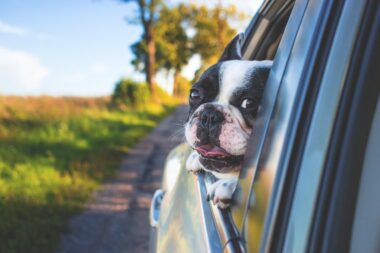
Ensuring your dog’s safety should be every owner’s top priority. Dogs, by nature, are often curious and adventurous, which can lead to potentially dangerous situations if not properly managed. One crucial aspect is investing in proper training. This establishes a foundation of trust and communication between you and your dog. Obedience training helps dogs respond promptly to commands, which can prevent them from running into traffic or other hazardous areas. Additionally, leash training is vital to control your dog during walks, especially in crowded neighborhoods. Providing your dog with appropriate enrichment activities, such as training exercises and toys, can deter it from engaging in risky behaviors. Another point to consider is using a sturdy, well-fitted collar and harness, with the dog’s identification tags. It’s a safeguard in case your dog wanders off during outings. When traveling, always secure your dog in the vehicle, preferably in a pet seatbelt or a carrier to minimize distractions. Lastly, regular vet visits are essential to maintain your dog’s overall health. An alert dog is a safer dog, so keep an eye on any behavior changes that might signal health issues.
Creating a Safe Home Environment
Your dog’s safety begins at home, where many potential hazards may lurk undetected. First, it’s essential to dog-proof your living space similarly to how you would child-proof for a toddler. Start by securing hazardous substances like cleaning supplies, medications, and chemicals in a safe place, ideally locked away. Consider using cabinet locks as an extra measure of security. When walking through your home, keep an eye out for items your dog could swallow or choke on. Second, place breakable objects out of reach, ensuring your dog won’t knock them over while playing. Consider removing sharp objects from low tables and shelves. Third, be cautious with your houseplants. Many common plants, such as lilies or philodendrons, can be toxic to dogs. Research any plants in your home and make necessary adjustments. Covering electrical cords can also prevent chewing hazards. Lastly, establish a designated dog space with comfortable bedding and toys, enhancing your dog’s sense of security and belonging in the home, ultimately fostering a safer environment for your furry friend.
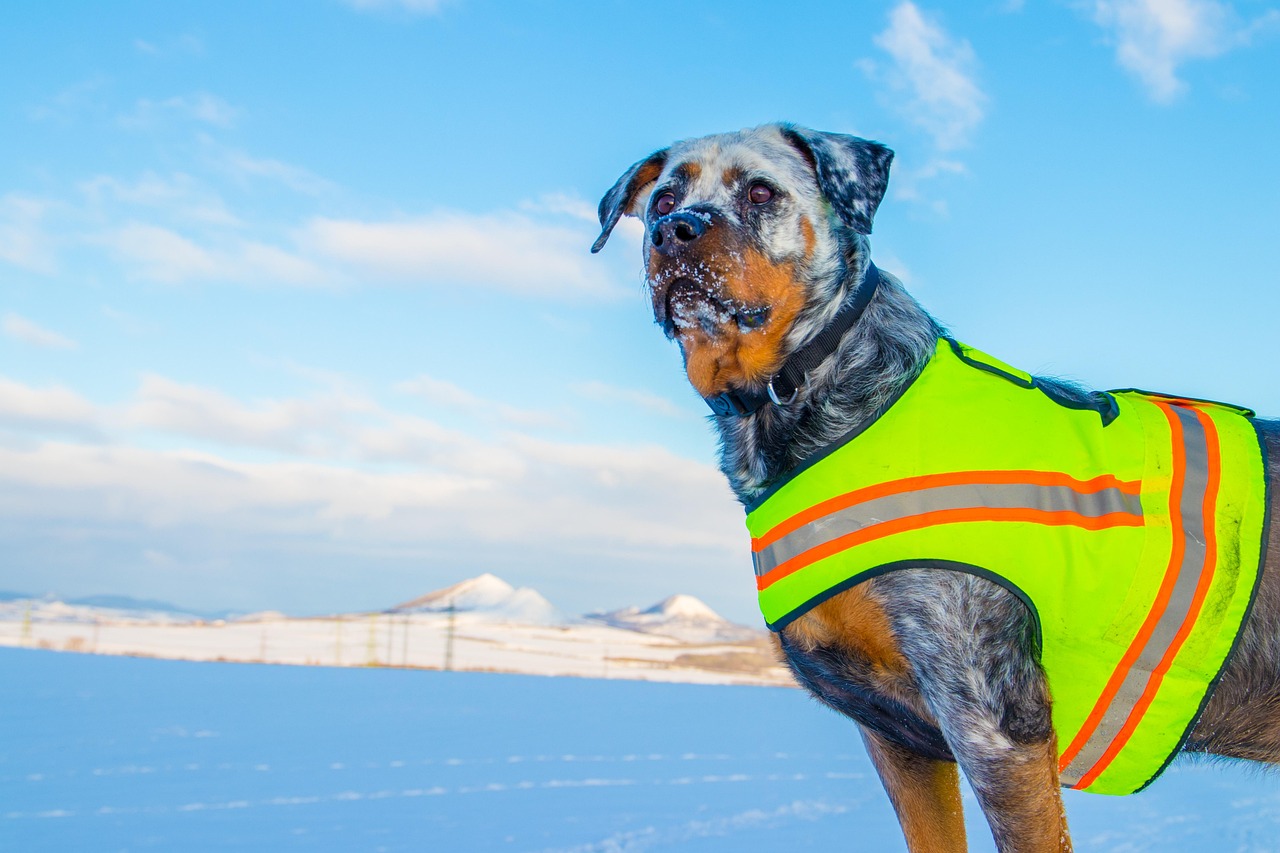
Understanding potential dangers outside your home is equally important. Ideally, when out and about, keep your dog on a leash to maintain control, especially in busy areas. Being aware of the local wildlife is crucial too, as aggressive animals can pose a significant threat. Supervise your dog closely during outdoor activities, particularly if you visit dog parks or trails. Also, be mindful of the weather and its impact on your dog’s safety. During hot summer months, always ensure your pet has plenty of water and access to shade to prevent overheating. Conversely, during winter, protect your dog from exposure to extreme cold by providing a suitable jacket for outdoor outings or limiting time spent outside when temperatures drop significantly. Moreover, be cautious around bodies of water. Always supervise your dog during swimming, and be aware of water temperatures and currents. Lastly, consider investing in pet safety gear, such as reflective vests or lights, for nighttime walks, enhancing your visibility to drivers and minimizing risks.
Health and Nutrition Tips
Maintaining your dog’s health is vital for its safety, as certain illnesses could make it more susceptible to accidents or injuries. Health begins with proper nutrition. Ensure you feed your dog a balanced diet suitable for its breed, size, and life stage. Consult your veterinarian for dietary recommendations tailored specifically for your dog’s needs. Obesity is a prevalent issue that can lead to various health complications, including joint problems and heart diseases. Regular exercise is crucial for maintaining a healthy weight and improving fitness levels. Moreover, avoid feeding your dog human foods that can be potentially harmful. Foods like chocolate, grapes, and onions can prove toxic to dogs. Familiarize yourself with foods to avoid and maintain safe food practices at home. Another important aspect of dog health includes routine veterinary check-ups. Schedule annual exams and vaccinations to keep your dog protected against preventable diseases. Dental care is often overlooked yet essential. Regularly brushing your dog’s teeth, along with providing dental chews, can reduce plaque buildup and mitigate periodontal disease risks. Ensuring a healthy, active lifestyle promotes not only safety but overall well-being.”},{
Another important component of dog safety is socialization. Exposing your dog to different environments, people, and other animals can help reduce anxiety and aggressive behavior, creating a well-adjusted and friendly pet. Start socializing your pup as early as possible, which is typically during their critical developmental period, usually between three to twelve weeks. Gradually introduce them to new experiences, ensuring these encounters are positive and rewarding. This could involve polite interactions with other dogs, visiting various public spaces, or participating in group training classes. Such exposures allow dogs to learn proper behavior signals while reducing fear in unfamiliar situations. Additionally, managing your dog’s interactions is crucial to prevent any adverse encounters. Always assess the other animals for any signs of aggression before approaching them. Keeping calm during introductions helps set a positive tone. If you notice your dog showing signs of stress or fear, remove them from the situation if possible. Be patient; every dog learns at their own pace. With continued positive experiences, socialized dogs become more adaptable, leading to a safer and more enjoyable time both at home and out in the community.
Emergency Preparedness for Dog Owners
Every dog owner should be prepared for emergencies to ensure their dog’s safety in unforeseen circumstances. Start by creating an emergency plan that includes all family members. This plan should involve identifying safe zones for your dog during natural disasters like hurricanes or earthquakes—keep an emergency kit prepared for your pet that features essential items such as food, water, medical supplies, and a first aid kit. These supplies should cater to a minimum of three days. Furthermore, familiarize yourself with local pet-friendly shelters in case you need to evacuate. Ensure your dog is micro-chipped and that the information is regularly updated to enhance chances of reunification if separated. Additionally, learn basic first aid skills applicable to dogs; identify common ailments and how to assist in situations like choking. Having these skills can be lifesaving in case of emergencies. Implementing these plans not only ensures your pet’s safety but also provides peace of mind for you as an owner. Preparing for unexpected situations is essential, especially when you consider the unpredictability of life with pets.
In conclusion, keeping your pet safe encompasses various aspects, including training, health, socialization, and emergency preparedness. By investing time and effort into training, you establish clear communication and a healthy bond while teaching your dog essential behaviors. Creating a safe home environment further protects your dog from potential hazards. Also, maintaining proper health through nutrition, regular vet visits, and exercise promotes an overall sense of well-being. Don’t overlook the importance of socialization, as early interactions can diminish fear and anxiety in various situations, making your dog more adaptable. Where emergencies are concerned, developing a coping strategy is essential. Prepare your pet emergency kit, know evacuation procedures, and familiarize yourself with local resources dedicated to pets. Additionally, consider lifelong learning about your dog’s behavior and evolving needs. This knowledge empowers you to advocate for your pet and serves as an excellent demonstration of your commitment to animal welfare. Ultimately, an informed and proactive pet owner is the foundation for a safe and fulfilling life for you and your furry companion. Your diligent efforts significantly contribute to a safer environment for dogs everywhere.
With this comprehensive approach to dog safety, you’ll not only reduce risks but also enhance the quality of life for your canine companion.