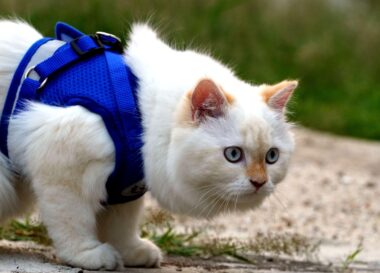

Harness Training and Leash Walking: Preparing Your Cat for Outdoor Adventures
Every cat owner dreams of enjoying the outdoors with their feline friend. However, many cats are not accustomed to wearing a harness or leash, making the transition challenging. Begin the harness training process by allowing your cat to explore the harness indoors. Start by introducing the harness in a calm environment. Let your cat sniff it and get used to its presence before attempting to put it on. Gradually, place the harness on your cat for short periods, rewarding them with treats to create positive associations. Ensure that the harness fits snugly yet comfortably; it should not be too tight or too loose. The right fit is crucial for not only comfort but safety as well. Monitor your cat’s behavior to assess comfort levels during these sessions. Watch their body language for signs of discomfort or stress, like trying to escape or excessive vocalizations. Positive reinforcement is key, so reward your cat with treats and praise when they stay calm while wearing the harness. This stage is vital for preparing your cat for outdoor adventures, setting the groundwork for more complex tasks.
The Importance of Leash Training
Leash training significantly enhances the outdoor experience for both the cat and the owner. With proper training, your cat will learn how to walk on a leash safely, giving you the chance to explore parks, gardens, or quiet streets together. This not only stimulates your cat mentally but also provides essential physical exercise. To begin leash training, select a lightweight and comfortable leash specifically designed for cats. Begin indoors, allowing your cat to wear the leash while still inside the harness. This will help them adjust to the sensation of being tethered while allowing you to maintain control. Always supervise your cat to prevent tangles or accidents. Once your cat is comfortable with the harness and leash indoors, gradually progress to more challenging environments outside. Start with a quiet backyard or controlled outdoor area before venturing into more bustling locations. Each outdoor session should include plenty of positive reinforcement, as rewards will encourage them to associate outdoor adventures with fun and excitement. Over time, your cat will learn to adapt to various outdoor environments while remaining safe and secure under your guidance.
The duration of each training session is crucial to your cat’s success in harness and leash training. Start with short sessions of around five to ten minutes and gradually increase their length as your cat becomes more comfortable. Pay attention to your cat’s tolerance and willingness to participate. High-energy cats may require longer sessions for play and exploration; however, low-energy cats might benefit from shorter, more frequent outings. Timing your training is also essential; aim for moments when your cat is naturally more active, like after meals or during their playful hours. Incorporate playtime with interactive toys while wearing the harness to reinforce comfort. Choosing the right environment can also affect your cat’s behavior during training. Practice in quiet areas without too many distractions before slowly introducing them to busier settings. This way, your cat can adjust and develop confidence at their own pace. Remain patient throughout the process, as each cat learns differently; some might need more time to adjust while others quickly embrace their new gear and outdoor experiences.
Dealing with Resistance
Many cats exhibit resistance when first introduced to a harness or leash, which is completely normal. If your cat pulls or tries to escape, it’s essential to remain calm and not to force them. Understand that the goal is to create a positive experience around the harness rather than a negative one. If your cat starts to resist, take a step back in the training process. Remove the harness for a while and reintroduce it slowly, ensuring each interaction is a pleasant experience. Introduce distractions, such as toys or treats, to make wearing the harness enjoyable. Try incorporating their favorite playtime activities while they’re on the leash. If they get agitated, do not let them roam freely, but gently guide them back on track without causing further stress. Consistent practice in a controlled setting will help them adjust their behavior. It can also be helpful to let another family member or friend help out, as sometimes, an additional presence can encourage your cat to stay calm. Allow your cat to set the pace, and celebrate each small victory along the way.
Outdoor adventures can provide exceptional bonding opportunities between you and your cat. With the right training, your cat can enjoy fresh air, sunshine, and the sights and sounds of nature. Before heading outside, ensure you have all necessary supplies, including a harness, leash, treats, and, in case of longer outings, water. Familiarize your cat with the route you plan on taking, allowing them to explore at their own pace. Monitor their reactions and adjust the outing duration to match their comfort level. Take breaks as needed, especially if your cat seems overwhelmed. Be mindful of the weather; extreme heat or cold can affect your cat’s experience. Consider using cat booties if your cat walks on hot pavement or rough surfaces. Additionally, always keep an eye out for potential dangers, such as aggressive animals or busy roads. If your cat appears stressed or frightened in particular environments, it’s important to gauge their comfort and adapt as necessary. Keeping your cat happy and safe during outdoor adventures is your primary responsibility, and positive experiences will encourage them to enjoy these trips.
Understanding Safety Precautions
Safety is paramount when harness training your cat for outdoor adventures. Always ensure your cat is wearing a properly fitted harness designed for their size. In addition, regularly check the equipment for signs of wear and tear to prevent it from breaking during use. Familiarize your cat with the gear beforehand, reducing any chances of accidents or injuries. Leashes should have secure clips, allowing for quick attachment and release. Also, consider attaching an ID tag to the harness, including your contact information. This ensures your cat can be returned should they slip out of it during a walk. Training your cat to recognize cues and commands while on the leash can also significantly enhance safety. Teach your cat commands, such as ‘stop’ and ‘come,’ which could be critical in potentially hazardous situations. Pay attention to traffic and environment, keeping your cat close if you encounter strange sounds or sudden movements. Opt for quieter routes away from heavy traffic and use paths where animals can safely explore. Ensuring these precautions create lasting confidence in outdoor experiences for both you and your cat.
Ultimately, the goal of harness training and leash walking is to enrich your cat’s life and deepen the bond you share. While the process can be challenging, with the right approach, patience, and positive reinforcement, you can help your cat embrace outdoor activities comfortably and confidently. Be prepared for setbacks along the way, recognizing that not all cats will adjust at the same speed. Celebrate the milestones, as every little progress counts in the journey of training. Frequent outdoor activities can significantly enhance your cat’s wellbeing, providing exercise, mental stimulation, and social interaction. As they grow more accustomed to outdoor life, your cat’s confidence in wearing the harness and walking on a leash will flourish. Continue introducing stimulating experiences, such as meeting new people or discovering different scents and textures. Each new adventure will not only shape their personality but could also lead to a healthier and more fulfilled life. By ensuring thorough and gentle training, you can create an enjoyable outdoor experience that both you and your kitty will cherish for years to come. Stay committed, as the rewards are worth the effort.
Final Thoughts on Outdoor Adventures
In summary, harness training your cat opens up a world of new experiences, allowing them to enjoy the great outdoors safely. This training requires commitment, patience, and a positive approach towards the challenges you may temporarily face. Always remember that every cat is unique, and their pacing might vary significantly, warranting tailored training solutions. Discussing techniques with fellow cat enthusiasts or consulting a professional trainer can provide additional insights. Keep the training sessions lighthearted and fun, focusing on building a trusting relationship with your feline companion. The joy derived from walking your cat outdoors can build a rewarding bond, leading to cherished memories as you explore the world together. On outdoor adventures, encounter beautiful landscapes while allowing your cat to connect with their natural instincts. Likewise, observe their behavior and learn more about what captures their curiosity during these outings. With thoughtful preparation and an astute understanding of your cat’s needs, you can cultivate a well-rounded outdoor experience for both of you. Ultimately, embarking on such journey is a memorable one, full of excitement and enriching life lessons for you and your furry friend.