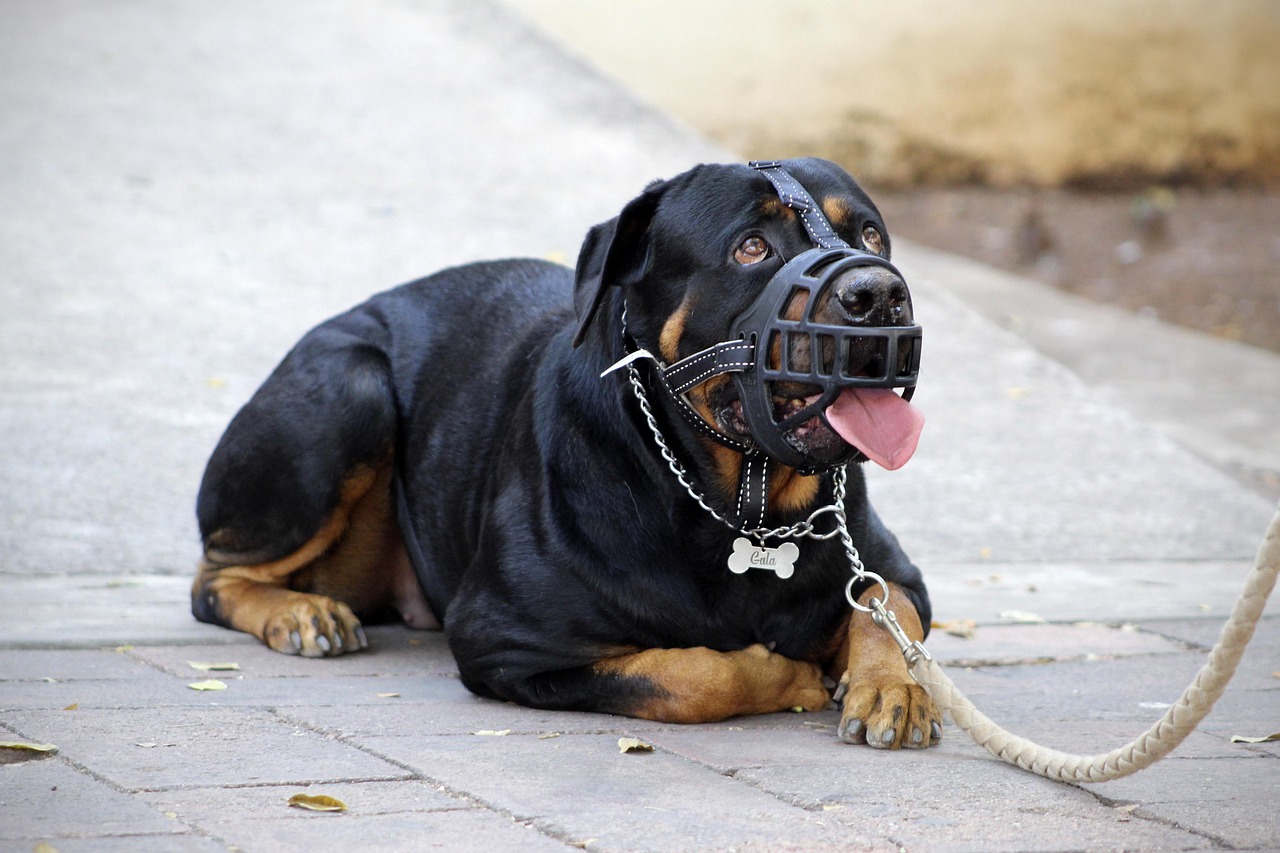

How to Build Trust with an Aggressive Dog
Building trust with an aggressive dog requires patience, understanding, and commitment. Begin by assessing your dog’s temperament and triggers. Observing their reactions in various situations helps you understand their fears or frustrations. Approach the training calmly and avoid overwhelming your dog. Establish a safe environment where they feel secure, free from loud noises or sudden movements. Gradually introduce new situations, ensuring your dog remains comfortable throughout the process. Use positive reinforcement techniques, rewarding your dog for calm and composed behavior. Treats, praise, and affection go a long way in encouraging desired behaviors. Remember, consistency is essential in these training efforts. Establish a clear routine and set boundaries to create a structure your dog can rely on. Additionally, engage in socialization activities. Slowly introduce your dog to controlled environments with other dogs and people, allowing them to learn proper social cues. Lastly, consider professional assistance if needed. A certified dog trainer with experience in aggression issues can provide invaluable insights and support, ensuring a safer, more effective training regimen for your dog.
Understanding Aggression Triggers
Recognizing the triggers that cause your dog to become aggressive is vital in building trust. Common triggers include fear, territorial instincts, and pain. More often than not, these triggers stem from past experiences or negative socialization. When identifying these triggers, observe your dog’s body language closely. Signs of anxiety or discomfort, such as whining, growling, or stiff body posture, can indicate their reaction to a trigger. It’s crucial to never punish aggressive behavior, as this can heighten fear and anxiety, leading to more aggression. Instead, focus on positive reinforcement techniques. Desensitize your dog to their triggers by gradually exposing them in a controlled manner. For example, if your dog reacts aggressively towards strangers, introduce new people slowly, allowing your dog to explore their presence at their own pace. Use treats and praise when your dog remains calm, reinforcing positive associations. Moreover, during these interactions, maintain a calm demeanor yourself. If your dog senses your anxiety, it can exacerbate the situation. Building their confidence through positive encounters fosters trust over time, leading to a significant decrease in aggressive tendencies.
Implementing training commands is key to fostering trust with your dog. Start with basic commands such as “sit,” “stay,” and “come.” Teaching these commands establishes communication between you and your dog. It provides them with a sense of structure and purpose. Using high-value treats during training sessions helps motivate your dog. Ensure that the training sessions are short yet engaging, as long sessions might overwhelm them. Mix in some playtime or rest periods to keep their interest alive. Consistency remains paramount; practice these commands daily. Gradually increase distractions as your dog masters each command, helping them generalize their skills in various environments. This process builds confidence and reinforces trust. Additionally, make training a positive experience. Use a happy tone of voice and be enthusiastic when your dog follows commands correctly. Encouragement fosters a closer bond between you and your dog. Keep the atmosphere relaxed to minimize stress. If your dog struggles with a command, revisit earlier steps instead of becoming frustrated. Patience and encouragement ultimately yield better results, allowing your dog to blossom into a clear communicator, which deepens your mutual trust.
Building a routine can immensely help in establishing trust with your aggressive dog. Dogs thrive on predictability, which provides them with security. Set specific times for feeding, walking, and training. A consistent schedule helps reduce anxiety by letting your dog know what to expect. Incorporate daily exercise into their routine. Regular physical activity not only improves their health but can also alleviate pent-up energy that contributes to aggressive behaviors. During walks, maintain a calm and assertive energy, as this behavior sets the tone for your dog. Practice leash training to ensure they feel secure while out and about. Explore quiet areas for walks initially, allowing your dog to build confidence in new surroundings. Furthermore, make time for interactive play sessions, as mental stimulation greatly contributes to their well-being. Engage them with puzzle toys or games that require problem-solving. This not only reduces aggression but also strengthens your bond through enjoyable shared experiences. As your dog begins to recognize the stability in their daily life, trust naturally builds, enabling a foundation for effective communication and a significantly reduced likelihood of aggression.
Socialization with Caution
Socialization is vital for aggressive dogs. It helps them learn to navigate the world around them, interacting positively with other animals and people. Initiate gradual introductions, starting with calm, well-behaved dogs or individuals. Observe how your dog reacts during these encounters. If aggression is exhibited, immediately remove them from the situation and retry later. Make sure these introductions only happen at your dog’s pace to avoid overwhelming them. Utilize positive reinforcement, rewarding calm behavior during these interactions with treats or praise. Group classes can be beneficial, allowing your dog to learn appropriate behaviors in a controlled environment. Furthermore, always prioritize your dog’s safety and comfort during socialization. Avoid overwhelming settings at first, such as busy parks or crowded events. Instead, choose quiet places to facilitate a sense of security. Gradually increase the challenge as their confidence grows. Importantly, avoid punishing your dog for aggressive reactions; this can reinforce fear rather than teach them coping mechanisms. With patience and careful management, your dog can become more social, leading to reduced aggression and a more relaxed behavior overall.
Recognizing the signs of stress is crucial when working with aggressive dogs. Look for indicators such as yawning, lip licking, or tucked tails, which may suggest discomfort or anxiety. When your dog displays these signs, it’s essential to remove them from the stressful situation promptly. Providing a safe space where they can retreat when feeling overwhelmed builds trust. Creating a designated area with their bed or favorite toys can offer comfort during stressful moments. Always approach your dog calmly to prevent adding to their anxiety. Furthermore, cultivating a calm environment at home plays a significant role in reducing stress levels. Consider avoiding loud noises or sudden movements within their vicinity. Introducing soothing music or creating a serene atmosphere can significantly contribute to their relaxation. Techniques like gentle massaging can also assist in calming an agitated dog. The goal is to instill a sense of safety in your dog’s everyday life, thereby decreasing aggressive tendencies. When stress is minimized, the process of building trust becomes more effective. Over time, a trusting relationship will flourish, leading to a more peaceful coexistence.
In summary, building trust with an aggressive dog is a gradual process requiring dedication and understanding. Utilize positive reinforcement methods consistently while being cognizant of your dog’s triggers. Establishing a structured routine not only provides stability but enhances their sense of security. Engage in gentle socialization practices to help them learn appropriate behaviors around other creatures and people. Continually monitor stress levels and recognize signs of discomfort, allowing your dog to maintain a safe space when needed. Above all, patience is key. Rushing the process can hinder trust-building efforts and elevate stress. It’s important to celebrate small victories along the way, recognizing that each positive interaction contributes to a stronger bond. Consulting with professional trainers can further assist in navigating challenging behavioral issues. Each dog is unique, presenting their set of needs and challenges. Through consistent and compassionate training efforts, you can enable your aggressive dog to feel secure in your presence, fostering a rewarding relationship. Ultimately, this journey yields a happier, more confident dog that thrives on trust, leading to a more harmonious household.