
How to Handle Grooming Stress in Kittens
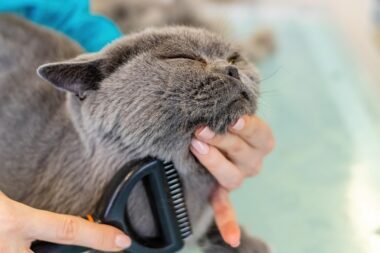
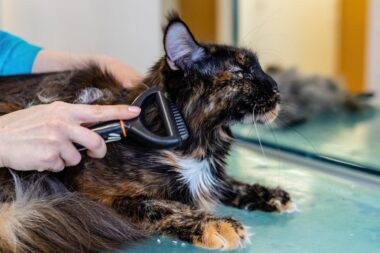
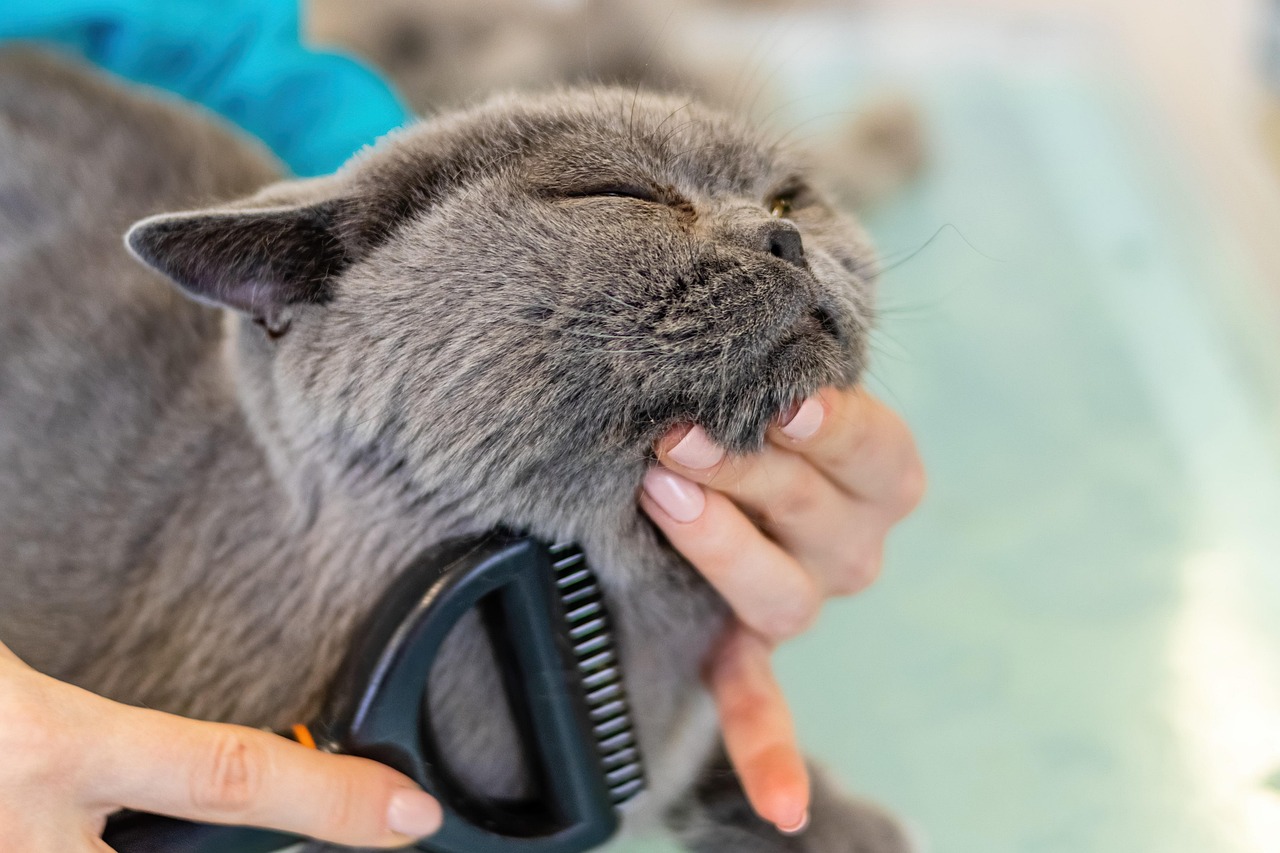
Grooming your kitten can be a challenging task, particularly if they are not accustomed to it. To reduce stress during grooming, it is essential to create a calm environment. Begin by choosing a quiet, comfortable space where your kitten feels safe. Ensure all grooming tools, such as brushes, nail clippers, and other items, are within reach to avoid unnecessary interruptions. Before starting, spend some time engaging with your kitten through gentle play or cuddling. This approach helps establish a sense of trust. If a grooming session becomes overwhelming, take breaks when necessary. Gradually introduce grooming techniques, starting with short sessions and a gentle touch. Also, consider using treats to create a positive association with grooming activities. Always reward your kitten with praise or a small treat after successful grooming. Make sure to use tools designed specifically for kittens, as they are gentler on their delicate skin and fur. Regular grooming can lead to a smoother process over time, so starting early is crucial. Remember to be patient and attentive to your kitten’s needs to help them feel at ease without stress.
Another important aspect of kitten grooming is introducing the tools gradually. Allow your kitten to explore the grooming tools before using them. For instance, let them sniff the brush or even play with it. This exposure can reduce any fear or anxiety associated with the tools. Once your kitten is comfortable with them, you can start grooming with quick, gentle strokes while monitoring their reactions closely. If they show signs of discomfort, such as squirming or hissing, stop the session immediately. Adjusting your approach may involve changing the tools or the technique you use. Some kittens may prefer a softer brush or a different grooming method altogether. While grooming, always speak softly to your kitten, offering soothing words to help calm them. The goal is to make brushing a pleasant experience rather than a stressful chore. Incorporate grooming into your regular routine, so your kitten learns to expect and accept it. Consistency can make a significant difference in their temperament towards grooming as they grow older. It creates a foundation for positive habits, ensuring they are less likely to resist grooming later in life.
Building a Calm Routine
Creating a routine around grooming not only aids in managing stress but also helps kittens understand what to expect. Establishing a consistent grooming schedule can lead to better outcomes and reduced anxiety. For instance, practice grooming at the same time each week or on specific days. This consistent approach helps your kitten associate grooming with other positive experiences. Make your grooming routine enjoyable for both of you by incorporating playtime or treats before and after. Choose a relaxed time when your kitten is calm and less active for optimal results. Take cues from your kitten’s mood and energy levels; if they seem particularly energetic, wait until they’ve expended some of that energy before starting. Keep grooming sessions short initially, gradually increasing the length as your kitten becomes more comfortable. This allows them to build tolerance and confidence over time. Remember to maintain a gentle demeanor and approach, as your body language can also impact your kitten’s feelings about grooming. It is important that they feel secure and comfortable during each grooming experience.
When introducing grooming tools, choosing the right ones is vital for your kitten’s comfort. Opt for brushes designed for kittens, as they tend to be softer and more gentle on their skin. Consider using rubber grooming mitts, which can be less intimidating while still effectively removing loose fur. Additionally, use nail clippers specifically designed for feline paws, which are typically small and ergonomic. Familiarize your kitten with these tools before using them by allowing them to smell and see the items. Slowly acclimate them to the vibration and sound of electric clippers if you choose that method later on. Ensuring that your grooming space is well-illuminated and comfortable is an essential factor. A soft surface such as a bed or a lap can help them feel safe. Pay attention to the feedback your kitten provides through their body signals; a relaxed posture and purring are good signs. Make sure you are also calm, as any anxiety from you can transfer to them. Building this comfortable grooming experience will enhance the bond between you and your kitten.
Positive Reinforcement and Patience
Utilizing positive reinforcement is crucial in helping your kitten develop healthy grooming habits. By rewarding your kitten with treats, praise, or affection after each grooming session, they begin to associate grooming with positive experiences. This method encourages them to remain calm and allows them to trust the process. It’s vital to be patient during this learning experience. Some kittens may take longer to adjust to grooming compared to others. Take into consideration their unique personality quirks, and adapt your actions accordingly to manage stress effectively. This will help develop resilience and confidence over time. For instance, if your kitten only allows a few strokes of a brush, that is perfectly okay. Instead of pushing for more, celebrate small victories and gradually build their tolerance. Occasionally, a kitten might have specific areas on their body that are more sensitive. Be gentle and approach those areas with care, paying close attention to your kitten’s body language. By embracing a patient and understanding approach, you are fostering a nurturing environment where they can thrive.
Understanding the signs of stress in your kitten during grooming is critical. Watch for behaviors such as hiding, excessive meowing, or attempts to escape, which indicate that they may be overwhelmed or frightened. Acknowledging these signals allows you to adjust your approach and help reduce stress. If needed, take a break during the grooming session, allowing your kitten time to recalibrate. Revisit the session once they seem calmer, so you do not inadvertently reinforce negative feelings. Some kittens may respond uniquely to calming techniques such as gentle vocalizations, minimal movements, or quiet music, which can create an easier atmosphere for grooming. Create an escape route for your kitten, so they feel they have a choice and control over the situation. This may help alleviate feelings of anxiety and give them a sense of security while being groomed. Try experimenting with various methods until you find what best calms your specific kitten. Always aim to conclude grooming on a positive note, regardless of how much you have accomplished during the session.
Regular Veterinary Consultations
Keeping your kitten’s well-being in focus also involves regular veterinary visits to monitor overall health and grooming habits. Veterinarians can offer valuable insights into the condition of your kitten’s coat and skin, informing you about grooming products suited for them. Healthy skin and coat help in the grooming process, so addressing any potential issues promptly is essential. Ask your vet for recommendations on specific brushes, combs, and grooming techniques that will work best for your kitten’s coat type. They can also provide guidance on how often grooming should occur based on your kitten’s individual needs. Regular check-ups ensure that your kitten remains healthy and allow you to discuss any grooming concerns or queries. Furthermore, your vet can screen for parasites and skin conditions, which may complicate grooming. Keeping this line of communication open empowers you to make informed decisions for your kitten’s grooming routine. Building a strong relationship with your veterinarian contributes positively to your kitten’s overall health and grooming experience.
By considering these elements and employing thoughtful techniques to reduce stress, you can successfully navigate the grooming journey with your kitten. Regular, positive grooming sessions not only help maintain your kitten’s cleanliness but also enhance your bond as they grow. It is essential to remember to be flexible and observant as your kitten adjusts. It’s an evolving process that may require modifications over time. Remaining educated about grooming practices and understanding your kitten’s specific needs leads to better outcomes. Emphasizing a gentle approach, using appropriate tools, and providing rewards can foster a sense of security. Preventive care, such as scheduling regular vet visits, can also significantly aid in this endeavor. Ultimately, the goal is to cultivate a pleasant grooming experience that becomes a cherished routine between you and your kitten without stress. By establishing and maintaining these habits early, you provide your kitten with the security they need to trust your care. So embrace the grooming process as part of your bond and enjoy each moment spent together!