
How to Teach the Quiet Command to Reactive Dogs
Teaching the “Quiet Down” command is crucial for managing reactive dogs. This command can help reduce barking and provide a calm environment. Start by finding a quiet place free from distractions to ensure your dog can focus. Use high-value treats to entice them, as positive reinforcement works best. Begin saying “quiet” in a calm and firm voice. When your dog stops barking, even for a moment, immediately reward them. Keep sessions short, around five to ten minutes, to prevent frustration. Consistency is key; work on this command daily. Ensure that everyone in your household uses the same word and tone when giving the command. By using a consistent approach, your dog will learn faster and feel less confused. Additionally, teach them to associate the command with positive experiences. This builds a strong bond of trust between you and your pet. With patience and practice, your dog will soon understand what “quiet” means, leading to a more peaceful home for everyone. Remember, teaching this command can take time, so don’t rush the process.
As you progress in teaching the “Quiet Down” command, introduce distractions gradually. Begin in a quiet setting and slowly add background noise. This could be a television, music, or other environmental sounds. Prepare your dog for varying levels of noise while remaining calm and consistent. When your dog barks, gently say “quiet” and wait for silence before rewarding them. This teaches your dog to focus on your voice, even amid distractions. Also, be sure to practice at different times of the day. This helps reinforce the command during various activities and environments. Hold a small training session each day, so your dog builds familiarity with the command and the associated expectations. You can even use the command during walks, especially if they get reactive to other dogs or people. Patience remains crucial; some dogs might take longer to grasp the command than others. If your dog responds well, consider using it in social situations. With time, they’ll begin to associate the command with calmness and can relax even when things get loud. As you both gain confidence, you’ll strengthen your communication and enhance your bond.
Incorporating play into your training can make learning the “Quiet Down” command enjoyable. Use toys or games to reward your dog when they respond correctly. Incorporating fun elements helps to shift the focus from the distractions to the interaction between you and your dog. Begin by playing with their favorite toy, then practice the command. If the dog barks during play, use the command “quiet” and wait for silence before tossing the toy again. Success will reinforce the command and create a positive association between quietness and play. Additionally, utilize toys that make noise to create controlled environments. These practices teach your dog to respond even when distractions are present. For example, play with a squeaky toy and employ the command when your dog vocalizes. Whenever they stop barking, treat them immediately. Gradually increase the noise level or activity complexity to keep challenging your dog. Such engagement can lead to successful outcomes and promote an understanding of the command. Even quiet moments during active playsets reinforce the importance of silence, solidifying your dog’s training.
Understanding your dog’s triggers is crucial in teaching the “Quiet Down” command. Every dog has specific stimuli that may cause them to react and bark excessively. Observe your dog closely in various environments to identify what prompts their barking. Common triggers include other dogs, strangers, and loud noises. Once you identify these triggers, you can begin training in controlled scenarios. Gradually introduce these stimuli at distances that do not provoke a response. Use your “quiet” command prior to exposure and reward your dog for staying silent. Ensuring your dog feels safe is paramount in this approach. As their skills improve, reduce the distance to their triggers. Always maintain consistent reinforcement and praise to help strengthen the desired behavior. Also, avoid scolding, as it could lead to fear or anxiety, making the problem worse. Instead of harsh corrections, focus on redirecting their attention when they start to bark. Redirecting can involve asking for a different behavior, like sitting or lying down. By understanding your dog’s behavior better, you’ll improve your training techniques and foster a healthier relationship with them.
Using the Right Tools and Techniques
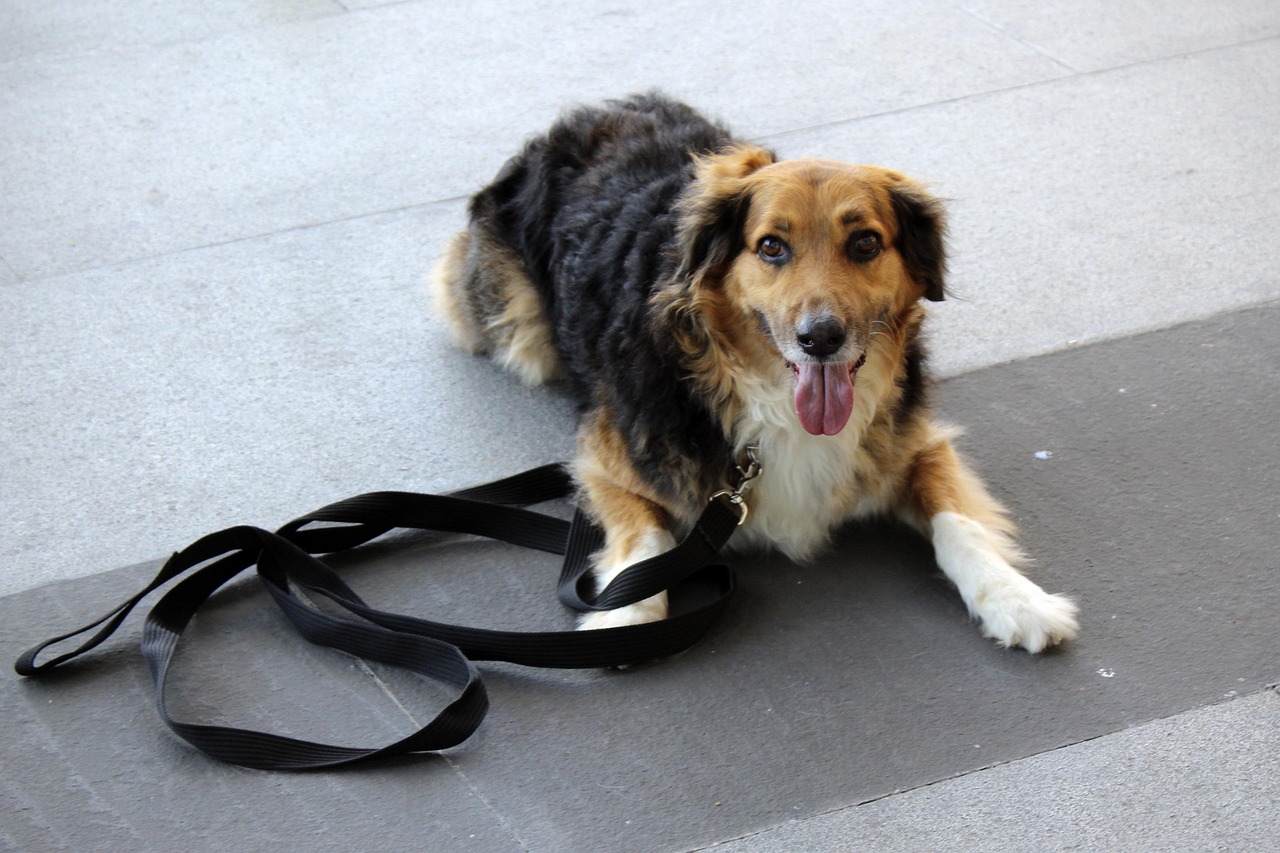
Equipping yourself with the correct tools can enhance the training of the “Quiet Down” command. Start with a leash or a long line to maintain control during training sessions. A harness may be preferable for dogs that tend to pull. A clicker can also be an effective tool in this process, reinforcing positive behaviors through sound. When you say the command and your dog is quiet, a quick click followed by a treat clearly communicates success. Choose training treats that are small and easily digestible, to maximize reward efficiency. Furthermore, always have these treats accessible during training. Consistency also applies to the environment; try to train in a calm, familiar setting free from overwhelming distractions. When you’re confident, slowly expand the training area to other locations such as parks. Social interactions can significantly benefit from mastering this command in high-distraction environments. This helps teach your dog to remain composed no matter where they are. With practice and proper tools, you’ll be well on your way to a quieter household and a happy, well-trained dog.
Maintaining a routine can greatly benefit you and your dog throughout the training process. Dogs thrive on consistency, and a regular schedule can improve their likelihood of mastery. Set specific times for training each day to create a healthy habit for both of you. Consistent commands and tones during these sessions will help your dog better understand your expectations. Additionally, incorporate other skills you’ve worked on alongside the “Quiet Down” command. This can include stay, sit, or leave it, creating a well-rounded training experience. Dogs can become accustomed to learning routines, making it easier for them to adapt to different commands and expectations over time. Along with its benefits, a routine encourages bonding moments between you and your dog, reinforcing trust and communication. When training becomes a shared routine, your dog may feel more confident and secure. Always monitor your dog’s overall engagement and enthusiasm during these sessions. If they show signs of disinterest, consider changing your approach or taking breaks. Regular routines ultimately build a structured environment conducive to learning and behavioral reinforcement.
Finally, consider engaging in regular socialization to complement the training of the “Quiet Down” command. Exposing your dog to various situations, people, and other dogs will help improve their responses to external stimuli. When dogs feel comfortable in their environment, it can reduce reactions that lead to barking. Introduce them to different gatherings, parks, or controlled playdates creatively. Ensure that these experiences are positive and calm, as negative interactions can result in setbacks. Use positive reinforcement as you expose your dog to these experiences, rewarding them for remaining quiet. For instance, when meeting new people, practice your command and offer treats for calm behavior. Familiarizing your dog with different environments can also help them generalize the “quiet” command to a variety of situations. With proper exposure and reinforcement, your dog will understand how to manage their behavior when faced with stimuli that once triggered barking. Over time, the benefits of diligent socialization will promote a calmer and well-adjusted dog, creating a more enjoyable experience for you both.
To ensure ongoing success with the “Quiet Down” command, maintain a flexible approach throughout training. Adapt your methods to suit your dog’s personality and learning pace. If certain techniques aren’t yielding the desired results, experiment with different rewards or communication styles. Some dogs respond better to visual cues, while others may gravitate toward vocal commands or physical touch. Be observant and sensitive to your dog’s responses. Recognizing their comfort level can aid in identifying which techniques work best. Additionally, stay patient, as dog training is rarely linear. There will be ups and downs, but remaining calm and positive throughout will benefit both of you. Seek help or advice from professionals when needed, as they may provide valuable perspectives on improving training techniques. Every dog is unique; therefore, adjust strategies based on individual behavior patterns, motivation levels, and triggers. Building strong communication and trust with your dog creates an environment for successful training. Ultimately, perseverance is crucial in teaching the “Quiet Down” command. Consistent practice and a willingness to adapt will lead to a more harmonious relationship with your dog.