
Misunderstandings About Senior Dog Exercise Needs
As our furry friends age, misconceptions about their exercise needs often arise. Many pet owners assume that senior dogs do not require any physical activity and prefer a sedentary lifestyle. However, this belief is not entirely accurate. While senior dogs may not need to run marathons like younger ones, they still benefit significantly from regular exercise. Adequate physical activity can help maintain their mobility, joint health, and mental well-being. Low-impact exercises, such as short, slow walks or gentle play sessions, can keep their bodies and minds engaged. It’s crucial to adapt the exercise routine according to each dog’s health status and physical capabilities. Consulting a veterinarian may be beneficial in developing a tailored exercise plan. Regular physical activity can also help in combating obesity, which is common in senior dogs. Owners are encouraged to observe their pets’ enthusiasm towards exercise, and it’s essential to adjust exertion levels as needed. Dogs that are engaged in regular activity often display better overall health and quality of life. So, don’t discount the importance of keeping them active as they age.
Another common myth is that senior dogs should only engage in minimal activities. This stems from the concern around the increased chances of injury as dogs age. While it’s true that the risk of injuries may rise, this does not mean that they must avoid exercise altogether. In fact, a lack of activity might lead to muscular atrophy, reduced stamina, weakness, and even behavioral issues due to boredom. A well-structured exercise routine can improve their strength, flexibility, and balance. Gradually introducing them to new activities, like swimming or light agility work, can also promote their confidence and agility. The key lies in monitoring their response to movement. If they seem tired, slow down and adjust the activity. And if they show hesitance, exploring new activities should be approached at a comfortable pace. Keeping seniors engaged also enhances their social interactions with humans and other dogs, improving their mood and mental health. Overall, exercise should be adjusted as they age but not avoided. Therefore, ensuring a balanced approach to their activity is critical.
Understanding Aging and Exercise
Regarding senior dogs, some owners believe that their joint problems are a valid reason to reduce their exercise. It’s important to recognize that while joint pain and arthritis are common among older dogs, moving them can often alleviate some discomfort associated with these conditions. Gentle exercise can improve joint function and reduce stiffness. Activities like walking, swimming, or even some light stretching can positively impact their mobility. Exercise helps in the production of synovial fluid that naturally lubricates joints, making movement easier. However, tailored approaches should be taken; it’s wise to consult professionals to design appropriate routines. A veterinarian can recommend specific joint supplements or medications alongside the regimen. Additionally, there are special dog braces or supports available to help them during exercise. By focusing on low-impact activities, owners can encourage their dogs to stay physically active without risking injury. The result can be a happier, more active dog, leading to an improved quality of life. In this case, exercise becomes an essential component of managing senior dog health.
Another myth surrounds the notion that senior dogs can’t learn new tricks or engage in training exercises. While older dogs may take longer to learn than their younger counterparts, they are still capable of mastering new skills! Regular exercise intertwined with training can be beneficial for both physical and mental stimulation. Associating learning with light physical activity is a wonderful way to keep senior dogs engaged and excited about participating in their care. Brain games are equally important, as they keep their minds sharp. These can include puzzle toys that challenge them or scent work that encourages them to use their instincts. Keeping their older brains active is just as crucial as their physical training. It promotes overall health and helps mitigate cognitive decline often associated with aging. Training sessions can be a fun bonding experience between owners and their pets, adding joy to workouts. Many dogs thrive on routine, giving them structure and something to expect daily as they age. Embracing this notion further promotes their agility and interaction with their environment.
Walking as an Essential Activity
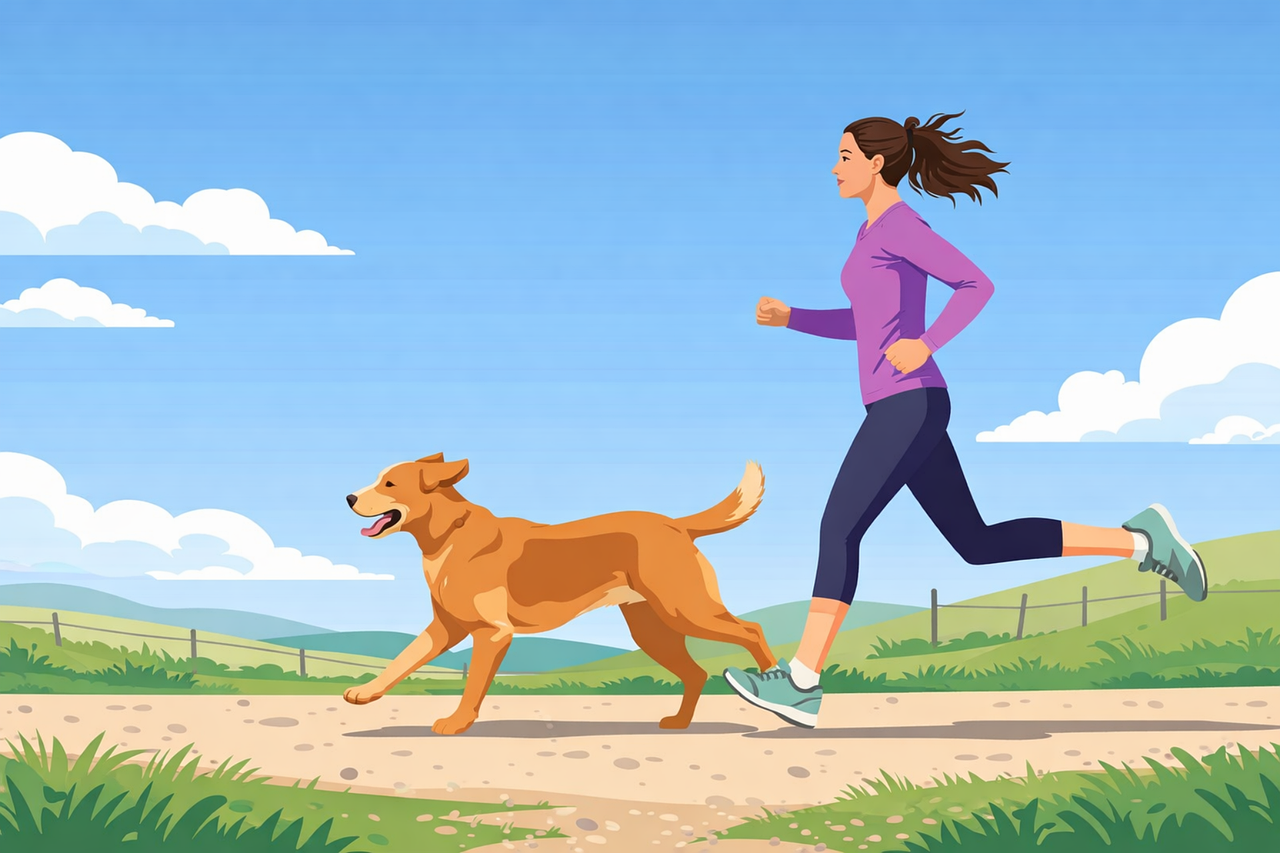
Among the simplest and most accessible forms of exercise for senior dogs is walking. A routine walk not only enhances their physical health but also provides mental stimulation through interaction with their environment. The sights and smells encountered during these walks serve as a natural source of enrichment that can keep their minds alive. Owners should strive to establish a consistent walking schedule that accommodates their dog’s stamina and energy levels. Short and frequent walks—perhaps just a few minutes at a time—are more beneficial than long, exhausting sessions. It’s crucial to observe and react to your dog’s cues; if they slow down or seem tired, don’t hesitate to shorten the walk or take frequent breaks. Upgrading walking gear may also prove helpful; a supportive leash or comfortable harness is essential for their comfort. Additionally, walking offers an opportunity for socialization with other dogs and humans—an aspect that can greatly benefit their mental well-being. Regular walks can also have positive side benefits for owners, promoting a healthier lifestyle for all.
Another myth is that senior dogs should always rest and not engage in play. This idea suggests that any form of physical exertion can be harmful to their health. Quite the opposite is true; play can significantly enhance their quality of life! Engaging in light play—such as tossing a soft toy or gentle games of fetch—allows senior dogs to enjoy their time while exercising. Owners should aim to create a balance between rest and playtime, monitoring their dogs for signs of fatigue. Short bursts of play are not only physically stimulating but mentally invigorating as well. Toys that encourage gentle movement or interactive play with humans can lead to increased happiness and fulfillment. Owners are encouraged to experiment with different types of toys to discover what their senior dog enjoys the most. Moreover, engaging in playtime reinforces the bond between pet and owner, creating shared moments of joy and connection. Playtime is not just about the physical aspect; it’s an opportunity for mental stimulation, too! Dogs that engage in playful activities tend to exhibit fewer behavioral issues and maintain an upbeat disposition.
The Importance of Monitoring Health
As we move forward with our understanding of senior dog fitness, we must highlight that monitoring their health is paramount. Regular check-ups with a veterinarian can provide crucial insights into any changes that may occur as your dog ages. This proactive approach helps to tailor exercise routines effectively. If diagnosed with conditions like arthritis or heart issues, exercise regimens can be modified accordingly. Sometimes, specific medical interventions might allow for more rigorous physical activity. It’s vital to remain vigilant about your dog’s behavioral changes, energy levels, and responsiveness during exercise. If any drastic changes occur, addressing them with a vet is advisable. Remember, senior dogs cannot always communicate their discomfort or difficulties. Keeping a close eye on their weight gain or loss can guide adjustments to their exercise and diet as well. Always prioritize their comfort and well-being and seek professional advice for diet modifications if required. Providing a supportive environment for your senior dog can ensure they maintain an active lifestyle, improving their quality of life and allowing them to spend more loving moments with family.
In conclusion, understanding the exercise needs of senior dogs is essential in debunking commonly held myths. Regular, moderate physical activity significantly benefits senior dogs by improving their physical and mental health. It eases joint pain and promotes mobility, prevents obesity, and helps maintain their cognitive functions. Owners should strive to adapt exercise routines based on their dogs’ health and capabilities, advocating for engaging the veterinarian in the process. Beyond physical engagement, training and mental stimulation play a crucial role in their quality of life. Finding a balance between rest and exercise is key, alongside staying attuned to changes in behavior and health presentations. Don’t let myths dictate how you care for your aged dog. Instead, embrace their need for an active, fulfilling life! By prioritizing their well-being through thoughtful exercise routines, we can enrich their later years and promote happiness. Additionally, keeping them socially active through walks and gentle play enhances their emotional well-being. Always combine physical health with mental stimulation. Ultimately, the bond deepened through shared activities and understanding leads to a more vibrant life for our beloved senior dogs.