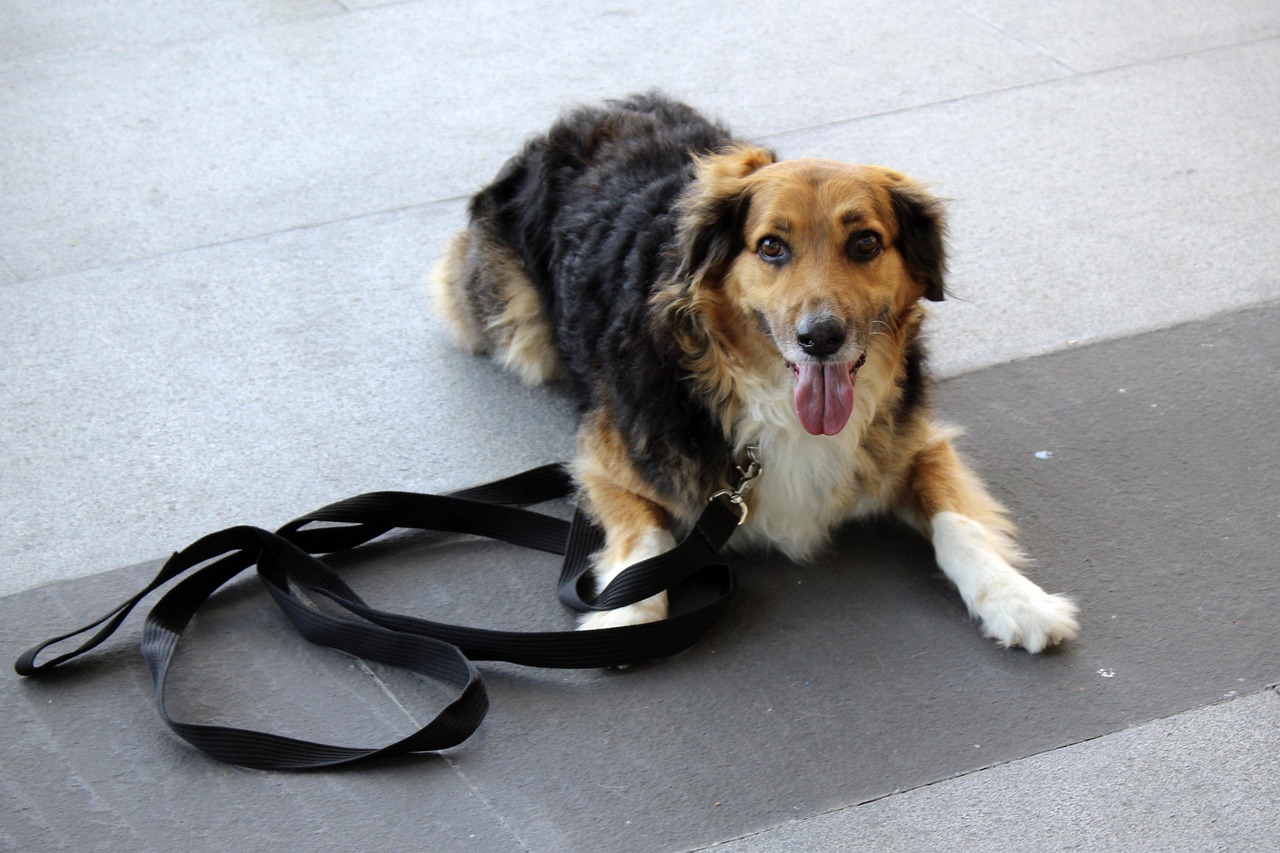

Teaching ‘Stay’ and ‘Place’ Commands at an Advanced Level
Teaching your dog advanced commands such as ‘Stay’ and ‘Place’ is not only essential for obedience but also enhances the bond between dog and owner. These commands are fundamental for creating structure and discipline in your dog’s life. To begin with, ensure your dog has mastered basic obedience. Once this foundation is solid, you can move to the advanced commands. Begin in a distraction-free environment before gradually increasing distractions. Patience is key since every dog learns at their own pace. Consistency in your command and reward system plays a crucial role in your dog’s learning process. Use treats, praise, and play as motivators. The goal is to make learning enjoyable, thereby inspiring enthusiasm in your dog. Training sessions should be short and engaging, lasting no more than 15 minutes at first. This will keep your dog focused rather than overwhelmed. Gradually, add duration and distance, challenging your dog to hold the ‘Stay’ or ‘Place’ command longer. Ensure to end each training session on a positive note, reinforcing their accomplishments.
One of the most effective ways to teach the ‘Stay’ command is to use positive reinforcement techniques. Start by having your dog sit or lie down in front of you, command them to ‘Stay,’ and take a slow step backward. If your dog remains in position, reward them instantly with a treat and praise. Repeat this process, incrementally increasing the distance and duration of the stay. If your dog breaks the stay command, avoid punishment; instead, calmly guide them back and reattempt. Use consistent cues, both verbal and non-verbal, so your dog understands what is expected. If your dog finds it challenging to stay, consider using a leash to guide them into position. Another technique involves using the ‘Place’ command, which encourages your dog to go to a designated spot, like a mat. Start with short durations and gradually extend the time they are expected to remain there. This can be a more structured approach that helps your dog learn the boundaries and limits associated with these commands. Be patient as it might take several training sessions before your dog fully grasps these advanced commands.
As you advance in training, incorporating distractions is vital for reinforcing the ‘Stay’ and ‘Place’ commands. Start with mild distractions such as quiet household noises. Over time, introduce more challenging distractions like other people or animals moving nearby. This enhances your dog’s focus and impulse control. Use a long leash to give your dog the freedom they need while still maintaining control during distractions. If your dog can successfully stay in position, reward them with extra treats and verbal praise. For the ‘Place’ command, introduce the concept of ‘place’ as a safe retreat. Establish a mat or dog bed as the place and encourage your dog to go there at random times during the day. Also, allow them the opportunity to use that location during busy moments, making it a positive space. You may also want to consider practicing this command with increases in distance from you. Consistent practice fosters confidence and provides mental stimulation for your dog. Gradually, you will witness growth in your dog’s reliability regarding these commands in various situations.
Challenges and Solutions in Advanced Training
Advanced commands can present challenges. However, understanding these common issues can help find effective solutions. One major challenge is the inconsistency in performance. Dogs may only successfully carry out the command in familiar surroundings. To combat this, practice in different environments; this helps generalize their training. Furthermore, avoid setting your dog up for failure by only giving commands when they are ready, thus building their confidence. Another issue is distraction overload. Start distracting your dog by using low-level distractions before gradually introducing more complex ones. This creates an opportunity for success, avoiding frustration. Regularly revisiting previous training sessions reinforces understanding and maintains skill level. Ensure to vary the types of rewards offered, as this keeps your dog engaged and motivated. Emphasize clarity in commands; avoid ambiguity when giving cues. If your dog seems confused, simplify your command or revert to a prior step where they were successful. Lastly, don’t forget that consistency in your training schedule is critical. Frequent, short sessions work best for keeping your dog focused on learning.
Another valuable aspect of training ‘Stay’ and ‘Place’ commands at advanced levels is employing the use of visual aids or tools. Items such as colored markers or agility equipment can effectively delineate boundaries for your dog. You can establish clear reference points indicating where to stay and go while using visual cues alongside verbal commands. These tools can provide added context, particularly in larger training environments. Integration of clicker training techniques is beneficial as well, marking the exact moment your dog has completed the desired task accurately. This clarity in communication strengthens your dog’s understanding. Additionally, incorporating games can significantly increase your dog’s engagement level with advanced commands. Activities that mix movement and commands promote enjoyment while reinforcing obedience. Observing progress is also essential; consider keeping a training log where you write down the specifics of each session. Ensuring regular check-ins on progress can help you identify areas of improvement and more effectively tailor follow-up sessions as needed. As your dog’s skill develops, consider gradually phasing out rewards, replacing them with praise to ensure your dog relies on your positive feedback.
Maintaining Command Reliability
Once your dog has learned the ‘Stay’ and ‘Place’ commands, maintaining reliability is crucial. Regular reinforcement through practice helps solidify these skills. Incorporating these commands into your daily routine keeps your dog sharp and attentive. Use spontaneous opportunities throughout the day to practice ‘Stay,’ instructing your dog to hold the position while you perform certain tasks such as answering the phone or preparing a meal. You can also have your dog practice ‘Place’ during family gatherings, directing them to their mat while guests arrive. This management not only assures your pet remains calm but also practice without putting additional strain on their learning. In this environment, you can reintroduce any novelty to the training approach when necessary. Frequent refreshers can prevent regression, ensuring that your dog does not forget the commands they have learned. Celebrate their successes during these routine practices. Additionally, you may also involve family members in training sessions, making it a group activity that enhances consistency across different handlers. Remember, maintaining reliability is a continual process that evolves as your dog learns and matures.
Ultimately, teaching advanced commands such as ‘Stay’ and ‘Place’ should be an enjoyable experience for both you and your dog. Finding the right balance between discipline and fun is essential to maintaining motivation during training. Consider using creative methods to maintain your dog’s excitement, such as using varying locations, times of day, and even using special training equipment like agility hurdles. This introduction can keep training sessions fresh and exciting. Also, ensure that each session concludes positively, reinforcing the bond and relationship you share. The journey may not always be easy, but it is undoubtedly rewarding. Embrace the small victories along the way; each success builds confidence. Always remember to communicate openly with your dog. The more you engage with them, the better their understanding of your expectations. As they grasp these commands, you can even begin tailoring them to your lifestyle—such as expectations outdoors or in public spaces—making these tools essential in enabling a well-behaved canine companion. By continuously investing time and effort, you pave the way for lifelong learning and improved behavior in your dog.
Conclusion and Next Steps
In conclusion, mastering the ‘Stay’ and ‘Place’ commands at an advanced level is an essential part of dog training. As you work with your dog on these commands, focus on clear communication, patience, and consistent practice while ensuring that learning remains enjoyable. With added distractions and varying environments, your dog will learn diligently, enhancing their reliability in any situation. By enabling your dog to generalize their learnings, you set them up for success in the real world. Be mindful of challenges in this training phase and address them proactively, creating an effective learning environment. Don’t hesitate to adjust training techniques to suit your dog’s unique personality and learning style. As you progress, integrate advanced training into daily life, reinforcing skills while enhancing the bond you share. Your experience can also foster a supportive community among fellow dog owners or trainers, sharing best practices and challenges faced. Remember, this training journey doesn’t end once commands are established. Engage with ongoing training, explore new commands, or enrich your dog’s skills to maintain a loving and disciplined relationship that thrives.