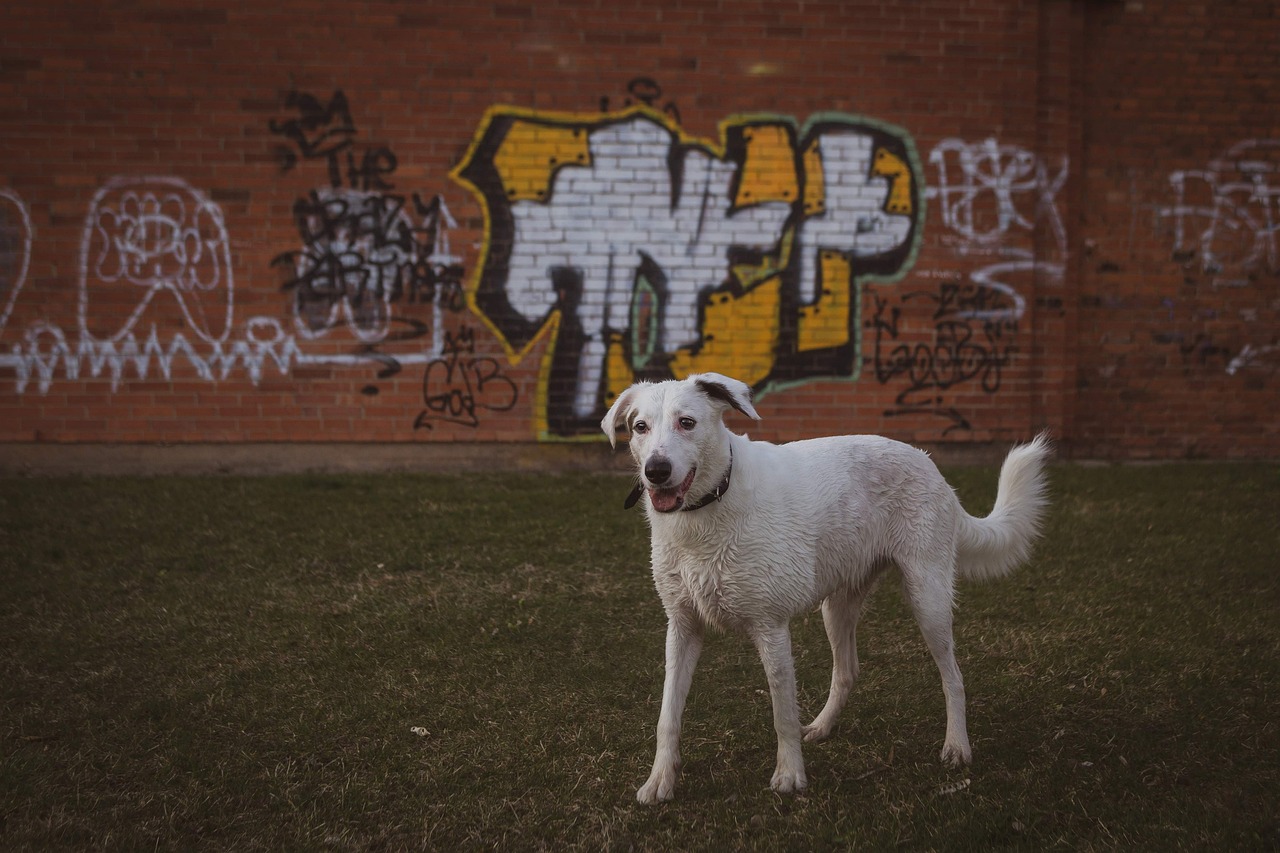

The Truth About ‘Problem Dogs’ in Shelters
When considering adopting a dog, many potential pet owners encounter the term ‘problem dog.’ This label often creates a stigma around certain breeds or individuals that may have had difficult pasts. The reality is that the environment plays a crucial role in a dog’s behavior. Dogs labeled as problem cases may simply be exhibiting reactions to negative experiences. Socialization, or the lack thereof, often transforms a perfectly healthy dog into one that appears challenging due to their anxiety or fear.
Myths surrounding problem dogs often stem from misinformation or outdated stereotypes. For instance, many believe that certain breeds are inherently aggressive, which is not supported by research. Statistics show that the upbringing and training directly influence a dog’s temperament more than breed ever could. By focusing on a dog’s history rather than the breed, potential adopters can discover great companions who just need a patient and loving home. Moreover, understanding a dog’s body language can bridge the gap between fear and acceptance.
Understanding Behavior
Behavioral misconceptions can deter many people from adopting dogs perceived as problem cases. Problems usually arise from fear, anxiety, or lack of training, not temperamental flaws. Shelters often find themselves housing dogs that act out due to previous trauma. With proper counseling and training, these dogs can become well-adjusted pets. Prospective dog owners should engage with volunteers and trainers at shelters to learn about available resources and techniques that help rehabilitate these animals, transforming them into loving companions.
Adopting a so-called ‘problem dog’ can be incredibly rewarding. Many owners report feeling a deeper bond with dogs that had previously faced challenges. This connection often stems from the helping nature of their relationship. Moreover, adopting a dog with behavioral issues can inspire them to advocate for better understanding and care for all dogs. The cycle continues as these owners become ambassadors for their community, demonstrating how patience and love can undo years of fear and miscommunication.
Breaking Down Stereotypes
Education is key to breaking down stereotypes about dogs in shelters. It’s essential to create awareness that these labels are often unfounded. Many foster programs work tirelessly to socialize and stabilize dogs before adoption to highlight their true personalities. By pushing back against stereotypes, we create a more realistic view of the dogs available for adoption. Furthermore, sharing success stories online can inspire others to consider dogs labeled as problematic, showcasing their journeys towards becoming loving companions.
Moreover, potential adopters should interact with dogs before making decisions. Direct interaction reveals the true nature of a dog rather than relying on second-hand opinions. Shelter staff and volunteers can provide detailed insights into the behaviors of various dogs, encouraging informed choices. Engaging with dogs in different environments allows prospective owners to see them outside the stresses of the shelter. This firsthand experience can highlight a dog’s adaptability and potential to thrive in a new home, shattering preconceived notions.
Resources for New Owners
New pet owners adopting dogs with troubled histories should seek resources post-adoption. Training classes tailored to addressing behavioral issues can create strategies for long-term success. Local shelters often provide resources as well, such as support groups or skilled trainers familiar with their dogs. Online forums and instructional videos also present options for continuing education and support. By networking with other pet owners, community members can share experiences, tips, and evolve their understanding of dog behavior.
In conclusion, the myth of ‘problem dogs’ is one that needs challenging. Potential adopters must look beyond labels and understand a dog’s history and behavioral reactions. With patience, training, and the right mindset, any dog can adapt and thrive. By embracing these animals, we grant them not only a second chance but also foster a compassionate perspective on those often unfairly labeled as problems. Adopting pets from shelters helps save lives and enriches our own, cultivating a more understanding society.