
Treating Burns and Scalds on Cats in Emergencies
If you discover that your cat has suffered a burn or scald, it’s crucial to act quickly. Burns can result from various sources, like hot surfaces, flames, or chemicals. First, assess the severity of the burn. Minor burns can often be handled at home, while severe burns necessitate a visit to the veterinarian. Look for signs like swelling, redness, or blisters. Understanding the type of burn is vital; categorize it as first, second, or third degree. Make sure to keep tranquility; your cat may be scared or in pain. The first step is to cool the burn. Submerge the affected area in cool water for around fifteen minutes to reduce heat. Avoid ice or very cold water, as these can cause further damage. After cooling, gently pat the area dry with a clean, soft cloth. Next, protect the area from further injury. Use an antibacterial ointment for minor burns; however, don’t use human products without consulting a vet. The immediate goal is to stabilize the cat’s condition until professional help is available.
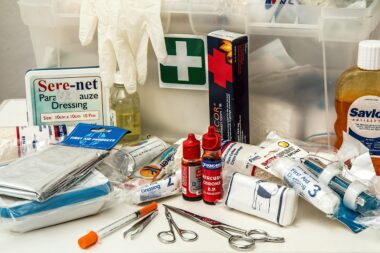
After addressing the immediate burn care, observe your cat closely for any signs of distress or changes in behavior. Cats may react differently to pain, and some may hide their discomfort very well. If the cat is lethargic, refuses to eat, or becomes unresponsive, these are critical signs that veterinary care is urgently needed. Always err on the side of caution; don’t hesitate to consult a veterinarian if your intuition signals concern. Injuries like burns can become complicated quickly. For severe burns, you may notice fluid loss or infection, which can be life-threatening. If the skin looks severely damaged or you observe a large area affected, immediate veterinary attention is essential. It’s good to have an emergency kit prepared in advance, which should include antiseptic solutions, gauze, and vet contact numbers. If your cat exhibits a significant amount of swelling, major blisters, or open wounds, this requires urgent veterinary intervention. Additionally, monitor the area for any unusual odors that could indicate infections, and be observant regarding your cat’s overall mood and activity level.
Recognizing Burn Types and First Aid
Understanding the classification of burns is essential for effective treatment. A first-degree burn causes minor skin irritation, redness, and discomfort itself. With basic first aid, recovery is generally straightforward and symptoms may resolve in a few days. Second-degree burns penetrate deeper and result in blisters and intense pain. They require more careful attention and potentially veterinary care. Finally, third-degree burns can be devastating, affecting all layers of skin and possibly leading to tissue death. The animal may require a more complex treatment plan, including possible hospitalization. After assessing the burn type, cooling the wound remains the initial step in treatment. You may use clean, cool, running water or a sterile saline solution. Avoid any pressure on the area. After cooling, gently dry the area with a soft cloth, and don’t apply ice directly to the burn as this can worsen the damage. It’s important to keep the cat calm during this process to prevent further injury to the affected area. Sometimes, cats can be quite anxious during these incidents, and ensuring their comfort is key.
Once you’ve treated the burn appropriately, it’s crucial to monitor the progression of healing. Observe for any signs of infection, such as increased redness, swelling, or discharge. If a blister is present, do not burst it; this layer protects the underlying tissue from infections. When burns are severe or widespread, follow your vet’s instructions for dressing changes and medication administration. In addition, limit your cat’s activity; restricted movement can prevent further injury and support faster healing. If an Elizabethan collar is advised, keep it on your cat to prevent licking the burn; this helps minimize further distress and injury. Monitor your cat’s dietary habits, ensuring that throwing up or a lack of appetite is noted. Pain management is another crucial aspect, and consult with your veterinarian about modifications to your cat’s diet that supports overall recovery. It is vital to follow any aftercare instructions with care. This includes administering medications like antibiotics and ensuring that your cat is resting properly. Keeping a record of daily notes about your pet’s condition can also be immensely helpful for your vet during follow-up examinations.
Prevention Strategies for Cat Burns
Prevention is always better than cure, particularly regarding burns and scalds. To minimize the risk of burns in your home, assess your living environment carefully. Keep dangerous materials, like hot liquids, electrical cords, and flame sources, out of your cat’s reach. Always be mindful during cooking or when using hot appliances. Cool your kitchen surfaces to avoid accidental burns, and establish cat-free zones in areas where heat sources are prominent. If you have open fireplaces or candles, secure them with screens or keep them high away from curious paws. Training and socializing your cat can also be beneficial, teaching them basic commands and behaviors that promote safety. Furthermore, harnessing their instincts with engaging toys can divert their attention away from hazardous situations. Keeping your home environment cat-safe also entails protecting them from outdoor hazards. Supervising outdoor time is essential, especially in areas where they can encounter potentially dangerous items, substances, or other animals. Regular awareness and proactive measures go a long way in shielding your cats from burns, making your home a sanctuary for them.
If your cat is exposed to hazardous situations despite preventive measures, understanding emergency protocols becomes essential. Preparing a cat emergency guide can help mitigate the immediate impact of injuries such as burns. Familiarize yourself with local veterinary clinics and animal hospitals that have emergency services. Hence, knowing your nearest emergency center can save precious time. Attend pet first aid courses to equip yourself with vital skills and the latest knowledge in cat care emergencies. It’s crucial to have a kit prepared that includes all necessary items, including bandages, antiseptics, and contact numbers for your vet. If possible, compile a list of signs and symptoms to watch for as well. Ensure family members are also trained on these emergency protocols to ensure that everyone is ready to act in any situation. Contingency planning can reduce panic and streamline the treatment process. Always keep your regular vet informed about your cat’s health history, particularly if they have pre-existing conditions. By nurturing an environment of learning and preparedness, you can improve the chances of successfully managing injuries.
Conclusion and Next Steps
Burns and scalds in cats are alarming, but proper knowledge and preparation can significantly reduce the associated risks. After an incident, it’s essential to remain calm while taking necessary steps to prevent complications. Evaluate the injury, provide first aid, then seek veterinary assistance quickly for severe cases. Follow the veterinarian’s care plan and maintain consistent observation of the affected area for any changes during the healing process. Preventing future occurrences should be high on your priority list through awareness and maintaining a safe environment for your pet. Stay proactive by educating yourself regarding first aid techniques and preventive measures in your home. Equip your home with an emergency kit containing essential items for immediate care. Cats depend on us for protection against accidents; as strong and resilient as they are, they also need our careful attention to their well-being. Communicate regularly with your vet about your pet’s overall health, especially after an injury. By implementing strategies for emergency preparedness, you are doing your best for your feline friend and assuring them of a safe and loving home.
Above all, remember to update yourself with continuous learning opportunities. Read articles or attend workshops focusing on cat health and emergencies. Ensure your family knows about recognizing early signs of distress in your cat to act promptly. Cats can be notoriously good at hiding pain, so vigilance is crucial in their well-being. Establish a routine around vet visits to ensure your cat is healthy and remains free from injuries. Conduct regular health checks to catch any developing issues earlier. Encourage your cat to endure health checks by creating positive associations with these visits. Rewards and treats can help them feel more comfortable. In terms of overall safety, maintaining a clean, organized space devoid of hazardous materials is extremely beneficial. If you have multiple pets, ensure each has a separate space to lessen potential conflict. Overall communication among family members regarding your pets can foster a safer environment for everyone. Remember to balance your cat’s curiosity with safe exploration opportunities. With diligence and responsibility towards your furry friends, they can enjoy healthier, longer lives alongside you.