
Understanding EPA and DHA: Key Omega-3 Fatty Acids for Cats
In the realm of cat nutrition, understanding essential fatty acids is crucial. Omega-3 and Omega-6 fatty acids are pivotal for maintaining optimal health in cats. These fatty acids play a significant role in various bodily functions, including inflammation regulation and skin health. Two of the most important types of Omega-3 fatty acids are Eicosapentaenoic Acid (EPA) and Docosahexaenoic Acid (DHA). These compounds are vital for a cat’s overall well-being. The right balance of these acids can help combat a variety of health issues and contribute to longevity.
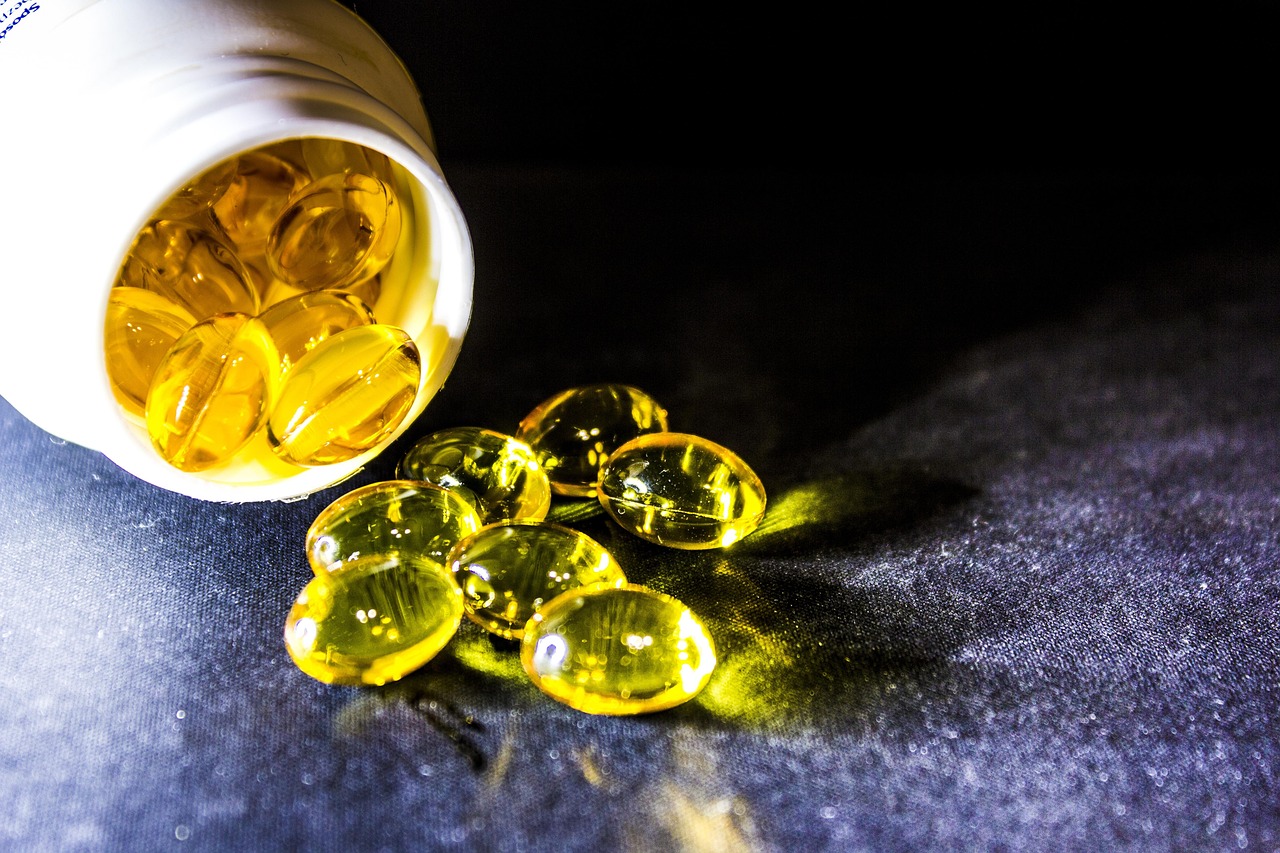
EPA and DHA are both derived mainly from marine sources such as fish oil. Fish oil is a popular supplement among cat owners for enhancing their pet’s health. It provides the necessary Omega-3 fatty acids that cats might not obtain from their diet alone. Many commercial cat foods contain some Omega-6 fatty acids, but Omega-3s are often lacking. Therefore, supplementing with high-quality fish oil can significantly improve health outcomes for cats, promoting a shiny coat and healthy skin. Additionally, Omega-3 supplementation may support joint health and reduce inflammation for older cats.
One of the main benefits of EPA for cats is its anti-inflammatory properties. This can aid in managing chronic conditions such as arthritis. EPA can help modulate inflammatory responses, making life more comfortable for affected cats. In some cases, cats with conditions like inflammatory bowel disease can benefit from EPA supplementation. These fatty acids are integral in maintaining a healthy immune system, further enhancing a cat’s resilience against infections and illnesses. Overall, incorporating EPA into a cat’s diet can lead to significant improvements in health and general well-being.
The Role of DHA in Cat Health
DHA plays a crucial role in brain and eye development in kittens. It is particularly essential during the growth stages, influencing cognitive function and visual acuity. Studies show that diets rich in DHA can lead to better learning and memory abilities. For adult cats, DHA can help improve mood and overall mental health, reducing the risk of conditions such as anxiety. Supplementing DHA can thus be a valuable aspect of a holistic approach to cat nutrition, ensuring that they’re not only healthy physically but also mentally vibrant.
Incorporating Omega-3 fatty acids into your cat’s diet may also offer cardiovascular benefits. Research indicates that EPA and DHA can promote heart health, potentially reducing the risk of heart disease. This is particularly significant for aging cats, who may be more susceptible to heart-related issues. Omega-3 supplementation has been linked with lower triglyceride levels and improved blood flow. This promotes overall cardiovascular health, making cats feel more energetic and active. Regular assessments by a veterinarian can help monitor heart health in conjunction with omega-3 supplementation.
As responsible cat owners, it is essential to ensure that our pets receive adequate Omega-3s. Choosing the right supplements is vital. Not all fish oils are created equal; thus, sourcing high-quality products from reputable manufacturers is crucial. When selecting a supplement, check for purity, potency, and third-party testing. Consultation with a veterinarian can help determine the appropriate type and dosage for your cats. Integrating these omega-3 supplements can improve their health outcomes and quality of life significantly.
Potential Risks of Omega-3 Supplements
While Omega-3 fatty acids offer numerous health benefits, there are potential risks associated with their supplementation in cats. Over-supplementation can lead to health issues such as gastrointestinal upset or bleeding disorders. It is critical to follow recommended dosages and consult with a veterinarian before beginning any new supplement regimen. Cats may also have specific health conditions that could affect how they metabolize fatty acids, necessitating close attention and monitoring. Regular veterinary check-ups can help catch any issues early and adjust treatments accordingly.
In summary, understanding the importance of EPA and DHA in cat nutrition can lead to healthier, happier felines. These Omega-3 fatty acids are essential in managing inflammation, supporting mental well-being, and improving overall health. By ensuring that our cats receive the proper nutrition, including the necessary fatty acids, we can provide them with a better quality of life. Investing time in learning about and incorporating these important supplements into their diet is a step toward optimal feline health.