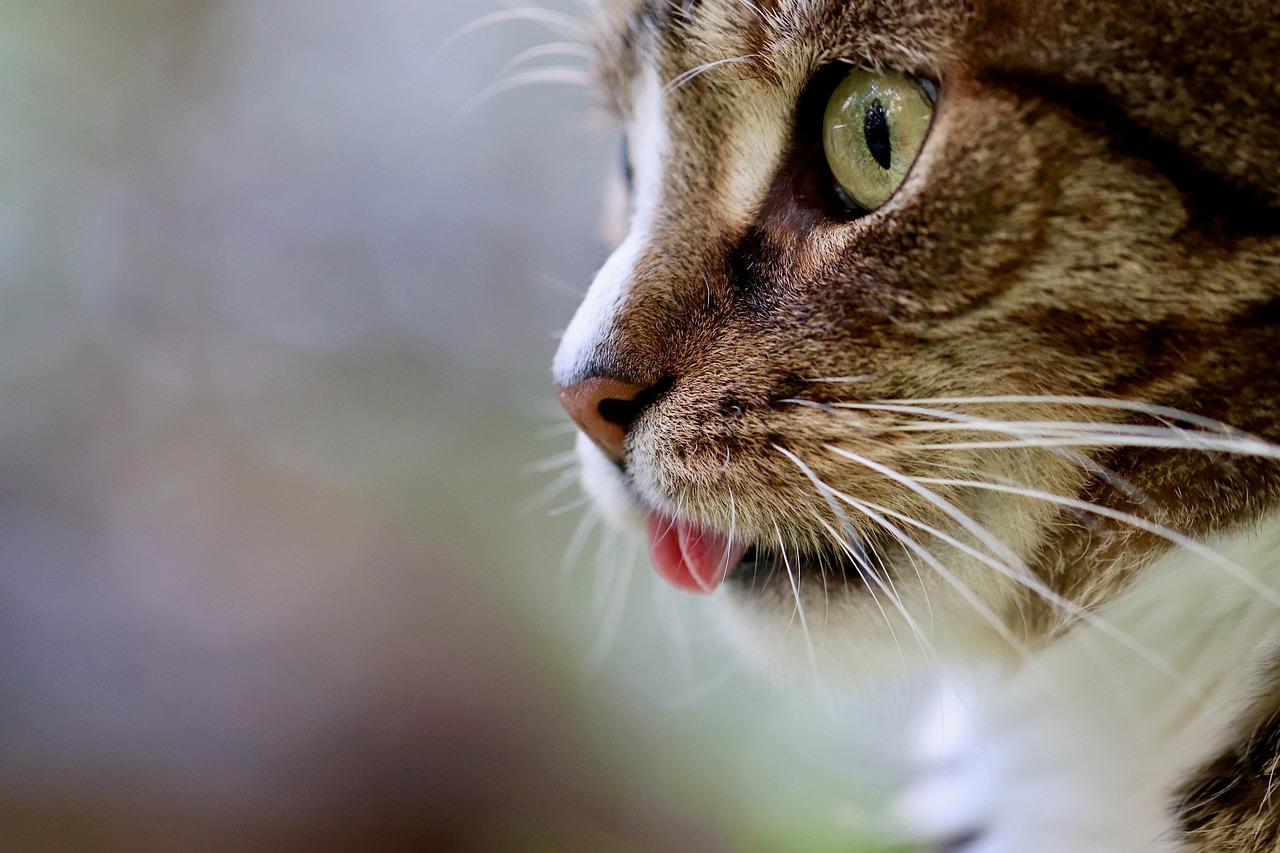

Case Studies: Cats Calmed by Pheromone Use
Cats, like humans, can experience stress and anxiety. Many factors contribute to a cat’s emotional health, including environmental changes and social interactions. Pheromones, which are chemical signals, have garnered attention for their potential to relieve feline stress. Research indicates that these pheromones can foster a sense of safety and tranquility. Case studies reveal varying levels of efficacy among individual cats. Some respond positively, while others display minimal change. For instance, a study involving a family with a recently adopted cat showed significant behavioral improvement following pheromone implementation. The cat, previously hiding and withdrawn, began to explore its surroundings. Owners reported reduced aggression and anxiety levels through the use of synthetic pheromones. Veterinary advice often recommends these products as part of a comprehensive stress management plan for cats, particularly in transitional periods like moving or introducing new pets. Nevertheless, the response to pheromones varies widely, indicating that trial and error may be necessary. Additional studies are needed to fully understand the potential benefits and limitations of pheromones in promoting feline well-being and the specific factors influencing their effectiveness.
Another compelling case study involved a cat that had previously experienced severe anxiety due to environmental changes and unfamiliar noises. The vet suggested pheromone diffusers as an intervention strategy. Within weeks, the cat exhibited notable behavior changes, transitioning from hiding for hours to engaging more actively with family members. This transition was significant, as it highlighted the role of environmental triggers in feline anxiety. Cats are often sensitive to their surroundings, making it crucial for owners to identify stressors. In this instance, pheromones acted as a calming agent, allowing the cat to feel more secure in its environment. Owners reported observing a marked decrease in excessive grooming and pacing behaviors, which are common stress indicators. They confirmed that the multi-faceted approach worked best alongside environmental enrichment, including interactive toys and hiding places. As a result, the cat became less reactive to loud noises, demonstrating the influence of pheromones on reducing heightened responses. These findings emphasize the necessity of adopting a holistic view when addressing cat anxiety. Using pheromones effectively requires understanding each cat’s unique needs and crafting an appropriate environment.
Case Study: Pheromones and Multi-Cat Households
In multi-cat households, territorial disputes and social anxieties can escalate. One study examined the implementation of pheromones to ease tensions between three resident cats. Observers noted a particularly aggressive feline who often initiated fights over territory. After introducing pheromone-based sprays, behavioral observations indicated a gradual decrease in aggressive interactions. The cats increasingly engaged in cooperative activities, such as grooming and eating together, suggesting a successful pheromone impact. The introduction of positive reinforcement training further complemented the pheromone use. These methods collectively promoted a harmonious coexistence. Notably, the stressed cat appeared more confident and less inclined to establish dominance over the others. Caregivers reported an increase in quiet interactions and a decrease in tension, fostering a peaceful household. This highlights the potential of pheromones to contribute considerably to feline social dynamics. While pheromones may not guarantee results in every case, this study offers insights into their effectiveness in helping manage relationships among cats. Further research into pheromone applications can empower caregivers with strategies to create balanced environments that prioritize the well-being of all cats involved.
One remarkable case of pheromone use was documented with a cat recovering from an illness. This previously active feline regressed into fearfulness and avoidance behaviors during recovery. Owners sought professional assistance to restore their cat’s emotional stability. Following a vet’s recommendation, synthetic pheromones were introduced to the environment, alongside gentle recuperative practices. Within days, the shy cat began to venture out, gradually reclaiming its usual spots around the home. The soothing effects of pheromones may have played a crucial role in this recovery, as environmental stability helped her feel secure and safe. Activities that incorporated gentle stimulation, such as quiet play with soft toys, further encouraged the cat to re-engage with the family. Reports from the owners indicated an increase in playful behavior and curiosity, which were positive signs of emotional recovery. This case underscores how pheromones can serve as a valuable tool in reinstating confidence in recently traumatized cats. Such interventions feed into a larger strategy for holistic feline care, encompassing both emotional and physical rehabilitation methods.
Pheromones and Stress During Travel
Pheromones also prove beneficial during travel-related stress. One specific case involved a family cat who displayed extreme anxiety during car rides. To combat this issue, the family applied pheromone sprays to the cat’s carrier prior to travel. Initial reluctance turned into improved tolerance over time. Observers noted that the cat seemed calmer and less vocal, indicating gradual comfort during traveling situations. This case illustrates how pheromones can significantly mitigate travel anxiety for felines, creating a more pleasant experience for both pet and owner. In instances of prolonged journeys, using pheromones can help the animal adapt to new environments. The effects can last for hours, alleviating the fears associated with car travel. Owners found that introducing the carrier before trips familiarized the cat with its surroundings, making it feel more secure. As time passed, relaxed behavior during car rides became apparent, which enhanced comfort levels for all involved. This case emphasizes the importance of proactive planning for cat travel and how pheromones can lead to smoother experiences, ultimately contributing to a better relationship between cats and their caregivers.
Additionally, a case study focused on integrating pheromone use in shelters highlighted significant behavioral shifts. Cats in crowded shelters often suffer from extreme stress, which can inhibit adoption rates. The introduction of pheromone diffusers created a calming atmosphere. Shelter workers noted that previously fearful cats were more approachable and engaged. Adoption rates reportedly improved significantly when pheromones were utilized. Behavioral assessments showed decreased hiding and increased exploration, indicating enhanced comfort levels. Efforts emphasized a combined approach of using pheromones alongside providing ample hiding spots and enrichment activities for the cats. Shelter staff also noticed that the pheromones helped cats adjust more rapidly to their new environments, easing transitional anxiety. This case exemplifies the role of pheromones in creating a conducive environment for cats needing homes. By combining behavioral assessments with pheromone treatment in shelter situations, innovative strategies can better address cat stress. Increased awareness of such practices fosters a more compassionate adoption process, promoting overall cat welfare. As shelters explore pheromone technology, it paves the way for improving feline emotional health and adaptability through research and application.
Conclusion: The Future of Pheromones in Cat Care
The collective evidence from these case studies emphasizes the vital role pheromones play in feline mental health. Though individual responses may vary, the consistent observations of reduced anxiety highlight their potential when paired with environmental management strategies. Integrative approaches involving pheromones, training, and environmental enrichment yield the best outcomes for addressing feline stress. It’s crucial to remember that every cat is unique, and what works for one may not work for another. Caregivers should consider pheromones as one component among many in a comprehensive strategy for feline well-being. The future of educating pet owners on the benefits and applications of pheromones appears promising. Increased understanding can lead to improved methodologies for stress reduction, enhancing the overall quality of life for cats. As veterinary and behavioral research progresses, the incorporation of pheromone applications will likely expand. By making informed choices, pet owners can navigate their cat’s emotional challenges effectively. As we advocate for feline mental health, the exploration of pheromones offers hope for innovation in cat care, underscoring the importance of establishing comfortable, supportive environments.