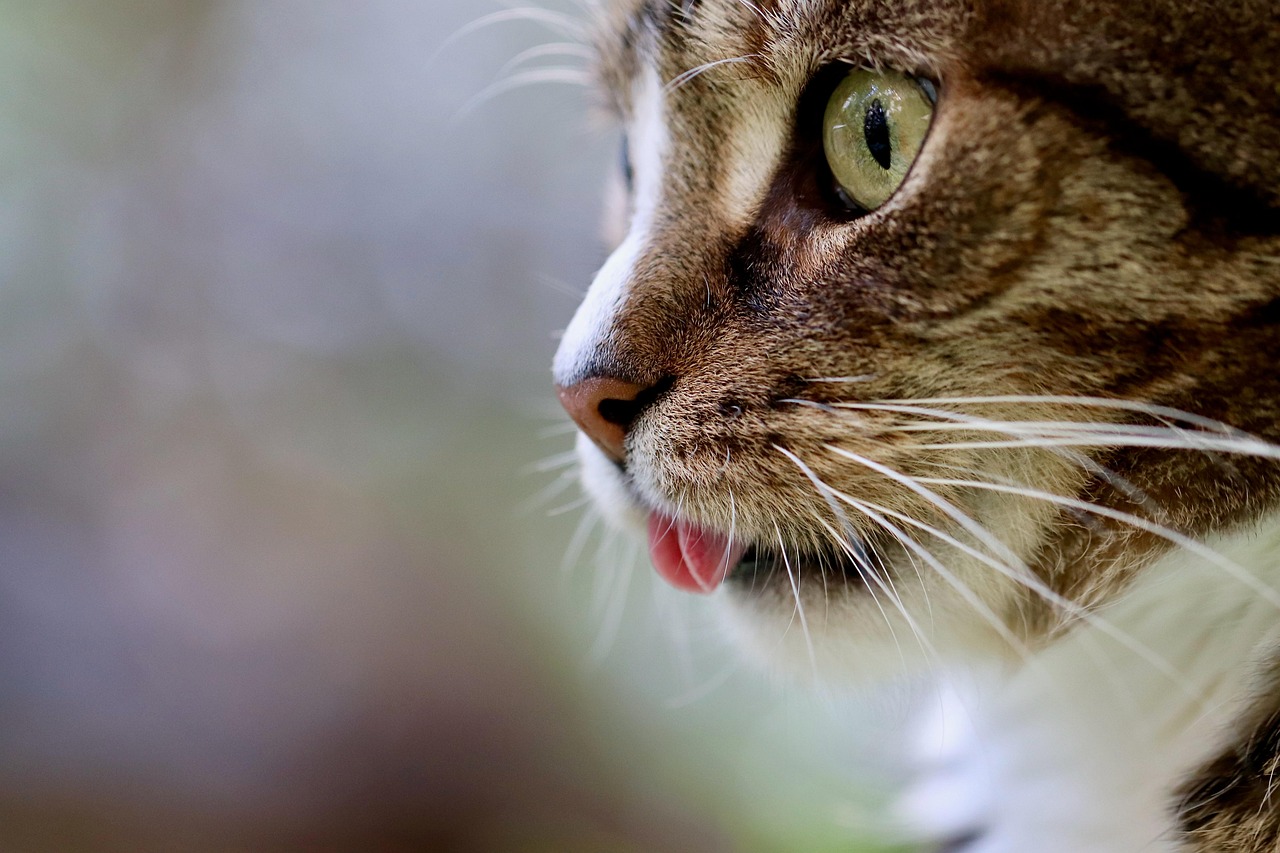

Commands to Make Visitor Handling Easier and Stress-Free for Cats
Creating a peaceful environment for both visitors and your feline friends is key to harmonious interactions. Introducing specific commands can significantly help in managing cat behavior. Start with simple commands that cater to basic actions. For instance, teaching your cat to “sit” can reduce anxiety when visitors arrive. Utilize positive reinforcement, rewarding your cat with treats or affection upon command success. Repeat this process regularly to instill the behavior. Moreover, consider using the command “stay” to keep the cat in a designated area. This approach not only protects your visitors but also gives your cat a sense of security. Remember, consistency is vital; practice with varied distractions to strengthen these commands. Reinforcement through affectionate petting or playtime can also motivate your cat further. Later, you can introduce commands tailored to your cat’s personality, broadening their understanding of what’s expected. In addition, understand their body language to avoid any negative interactions. Overall, implementing commands helps make such visits smoother, creating a stress-free experience for both the cat and the visitors. With patience and positive reinforcement, you will foster a calm environment during visitor interactions.
Along with basic commands, enhancing your cat’s vocabulary may lead to better visitor experiences. Taking the time to teach commands related to visitor circumstances can result in improved feline behavior during gatherings. For example, incorporating a command like “go to your spot” can direct them towards their favorite resting place when guests are present. This tactic not only directs the cats but also promotes a quieter ambiance by encouraging them to self-isolate. Aim to practice this with your cat frequently when no visitors are around, effectively preparing them for eventual scenarios with guests. Utilize engaging and clear tones so that your cat identifies them as commands. It can be beneficial to create a routine where your cats associate commands with specific times of the day they know visitors arrive. With repetitive drills, they will begin to recognize when it’s time to go to their designated area. Offering treats afterward reinforces the desired behavior. These simple actions can reduce stress for everyone in your home. Additionally, consider incorporating playtime before guests arrive. Understanding your feline’s habits and preferences allows for successful command implementation, minimizing potential challenging moments with visitors.
Understanding Your Cat’s Behavior
Every cat is unique, and understanding their individual behaviors is crucial when implementing commands for visitor handling. Observe how your cat usually reacts to newcomers. Some may hide, while others might be overly curious. This insight helps tailor the commands you choose. If your cat tends to hide, consider using the command “come here” to entice them out when guests arrive. Gradual exposure to visitors can also help them acclimate to new faces. Using treats can motivate your feline to engage more during introductions, fostering positivity around visitors. Establishing a comfortable atmosphere involves ensuring your pet feels safe, both physically and emotionally. Create a space where they can retreat if feeling overwhelmed. A cozy bed or a box can work wonders. Understanding paw movements or tail signals can further indicate how your cat might be feeling. In return, be mindful of their signals when visitors are around, allowing them the option to interact on their terms. Every time your cat successfully follows a command, praise them. This strengthens their confidence and adaptability, paving the way for smoother interactions during future visits.
Furthermore, using sound can also form a crucial element in commanding calmness during visitor situations. Cats respond uniquely to auditory stimuli, thus teaching them words associated with specific actions can support their learning process. Words like “easy” can provide assurance, signaling a calm environment while visitors are present. Practice by utilizing it alongside other commands like “sit” or “stay,” allowing your cat to associate these words with positive visitor experiences. Balancing the tone of your voice can enhance the effectiveness of these commands; a calm and soothing tone will make your cat feel secure amidst guest interactions. Enhance the atmosphere with soft music to reduce anxiety, and promote a sense of peace for the visiting guests and the cat. Ensure that you often use these commands to facilitate a sense of familiarity in your cat’s environment. When introducing new guests, remind them not to approach the cat too hastily to alleviate any stress. Instead, let the cat approach at its pace. Sound cues bolster trust and can turn stressful encounters into enjoyable ones as the cat feels more at ease through affirmed communication.
Consistency with Commands
Building a routine around visitor interactions can greatly enhance the efficiency of the commands. Cats thrive on consistency; repeated practice helps solidify their understanding of the expectations in the presence of guests. Establish a consistent command repertoire that you frequently practice. You might combine commands and use them as a way to establish a predictable flow during gatherings. Teaching one command at a time ensures that your cat comprehends each one fully before moving on to the next. This avoids overwhelming them with too much information. Consequently, using commands throughout their daily activities enriches their learning experience and helps to reinforce good behavior. As certain commands become habitual, your cat will begin responding more readily during visitor occasions. Patience plays a vital role in this training process; it may take weeks or even months for your cat to visibly respond without hesitation. Applying highly positive reinforcement after successful command execution supports long-term retention. Always remember to keep sessions short, as young and adult cats can lose focus quickly. With practice and patience, those challenges around visitors can turn into positive interactions for everyone involved, improving harmony in your home.
Moreover, consider the importance of socializing your cat when applying these new commands. Positive interaction with various visitors can help reduce anxiety while enhancing their comfort level around strangers. Anytime a guest visits, give your cat commands to practice familiarity. Invite friends over regularly for brief interactions, where you can specifically request them to engage with your cat using treats, toys, or simply gentle praises. The objective is to create an environment where your cat feels relaxed and recognized. Gradual introductions to new people enable your cat to perceive visitors positively. Allow your cat time to adjust, avoiding overwhelming stimuli from visitors. You might want to introduce your cat in a calmer space first before inviting them into a busier area. Making space for independent exploration can empower your cat, providing them with control over their interactions. Keep your sessions light-hearted and engaging, rewarding both human and feline efforts. Frequent positive reinforcement only strengthens relationships. Ultimately, fostering a trusting relationship between your guests and your cat reassures them that visitors are safe companions, transforming their behaviors around new faces into enjoyable experiences, resulting in calmness for all.
Creating Safe Zones
A well-defined safe zone can immensely contribute to stress-free visitor handling for your cat. Designate areas where your cat can retreat when feeling overwhelmed by visitors. A comfortable space, such as a cozy bed or a small room with their favorite toys, offers significant reassurance. Encourage your cat to use this zone particularly during hectic moments, while practicing commands that instruct them to return to this space. Establishing visuals or scent cues associated with their safe zones enhances familiarity and decreases potential anxiety around visitors. Allocate time daily for your cats to explore their space without interruptions, rewarding them with treats when they use their designated areas willingly. Whether using a blanket or familiar items can further comfort; these act as anchors. Create additional interactive setups like climbing shelves or scratching posts nearby to keep them engaged while learning new commands. Research has shown that providing such safe zones creates a significant impact on behavioral responses to visitors. Your cat will appreciate having a refuge, enabling them to come out and explore at their leisure. These small adjustments can ensure a more delightful experience for both visitors and their feline counterparts.
Ultimately, honing these commands for cat visitor handling requires an overall understanding and patience while focusing on their comfort. Remaining attuned to your cat’s needs will guide you in developing efficient strategies. Offering consistent practice, recognizing body language, and gradually introducing your cat to visitors will yield a successful environment. Commands, when consistently reinforced, present positive outcomes for both cats and visitors. Always be ready to adapt to your pet’s unique behaviors. Tailor your approaches based on outcomes from visits, fostering an enjoyable experience. Encouraging a fun atmosphere with repetition and relaxed energy allows your cat to absorb these practices better. Possible adjustments can involve incorporating light music or engaging in gentle petting throughout the visit. Overall, cats thrive on routines and emerging patterns; recognizing this trait will empower them to embrace households with guests seamlessly. Emphasizing positivity throughout the practice turns potentially intense situations into pleasing encounters. Whether it’s a favorite toy or a special treat, these moments spent together strengthen bonds. By understanding and guiding your cat through these experiences, handling visitors becomes a delightful journey instead of a challenging task.