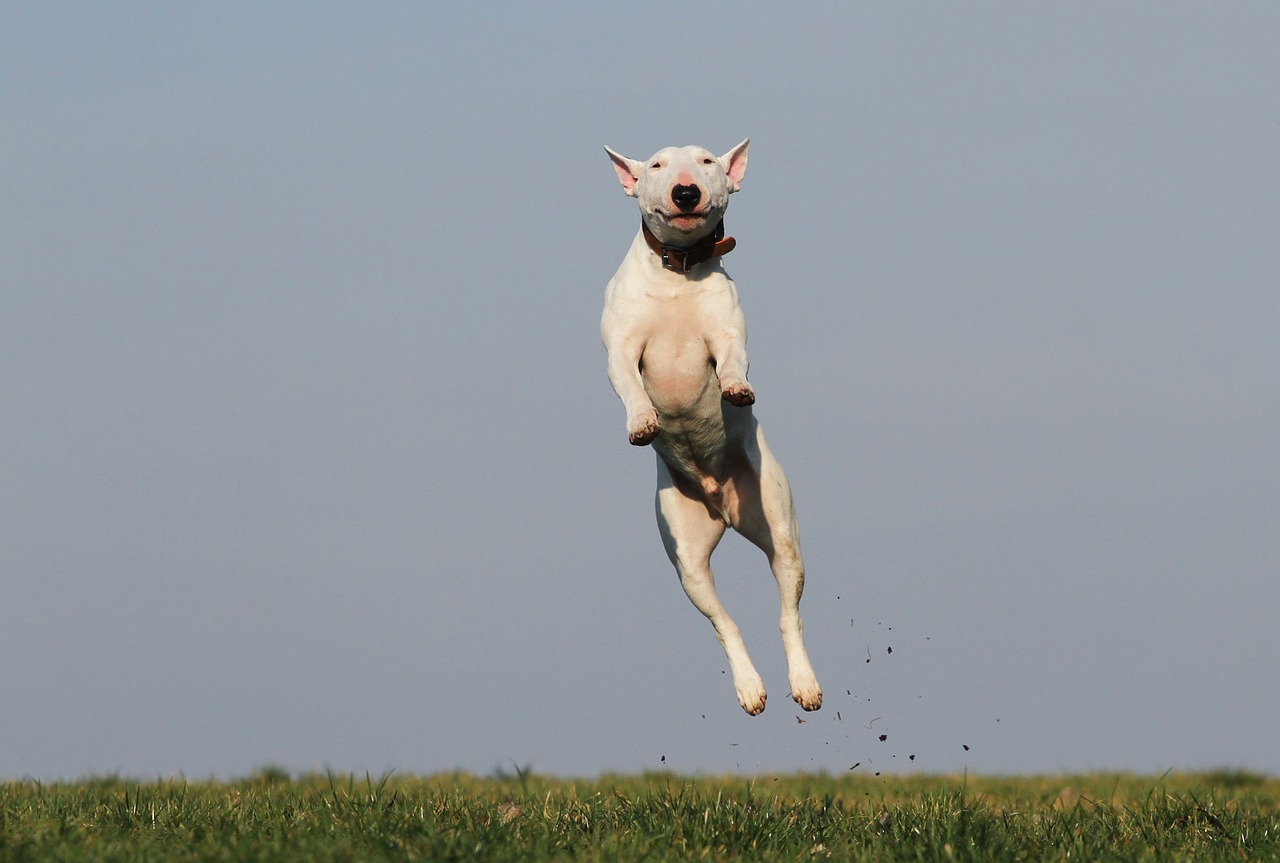

Creating a Positive Training Environment for Multi-Dog Homes
Creating a positive training environment is essential when you have multiple dogs. Each dog is unique and has different personalities, which can sometimes lead to conflicts during training sessions. To ensure an effective learning experience, consider designating a specific training area that is free from distractions. This could be a quiet room, a fenced yard, or another enclosed space. It’s important to minimize noise, other pets, and human interruptions. Establishing a routine can help dogs know when to expect training sessions, making them more receptive. Also, keep training tools handy and organized to maintain focus and efficiency. Reward-based training methods work best for most dogs; they respond positively to treats, praise, and affection. Consistency in commands, gestures, and rewards is key to successful training. Ensure everyone in the household uses the same language and methods to avoid confusion. Additionally, divide training time into shorter sessions, allowing dogs to practice without losing interest. Non-competitive exercises can also be beneficial; they promote teamwork and bonding among dogs. By setting a calm atmosphere, dogs are more likely to learn effectively, making training enjoyable for both them and their owners.
Consider attending training classes designed for multi-dog households. Professional trainers specialize in handling several dogs, addressing unique challenges and fostering a harmonious environment. These classes focus on incorporating structured activities with socialization skills, improving interactions among dogs. Encouraging positive play can create valuable bonding experiences, making it a breeze for dogs to coexist peacefully. Integrate new dogs into your existing pack gradually, exposing them to each other in safe settings. Always supervise their interactions initially to ensure they are comfortable. Teach basic commands such as sit, stay, or come. This way, you can begin establishing the groundwork for effective training, crucial for reducing misbehavior. Additionally, a clicker can be a helpful tool in emphasizing positive behaviors. Owners should be patient as dogs learn. It’s vital to recognize that repetition, structure, and encouragement can go a long way. Observe how each dog responds to various techniques to understand what works best for them. Acknowledge progress, even if small, to build confidence. Remember to have fun during training sessions! Keeping the atmosphere light and playful encourages dogs to engage fully and learn better, solidifying the bond between owner and pet.
Understand Pack Hierarchy
Understanding pack hierarchy is crucial when training multiple dogs. Dogs naturally establish a social order and understanding this can help reduce conflicts. Recognizing the leader helps streamline training and manage interactions more effectively. Each dog must understand their position within the group, which contributes to a more harmonious environment. During training, differentiate roles as per their personalities. Some dogs may take on leadership, while others may prefer to follow. Resource guarding is another concern in multi-dog households. Each dog may feel the need to protect toys, food, or space. To address this, it’s advisable to provide ample resources for all dogs. This prevents competition and subsequent tension during play or meal times. For instance, giving separate food bowls or toys can minimize aggressive behaviors. Moreover, training sessions can include cooperative tasks. As a result, dogs learn to work together, improving their social skills and reducing unease. Exercises like synchronized walking can also highlight their team dynamics. Regular practice helps cement pack behavior, so dogs learn to follow commands collectively. Ultimately, achieving balance in roles leads to improved communication and respect among the dogs in your home.
In addition to hierarchical behavior, it’s also essential to socialize dogs with different temperaments. Different personalities can lead to various reaction patterns in social settings, so gradually introducing them to unfamiliar dogs is helpful. Positive interactions can significantly reduce anxiety and facilitate smoother training sessions. Use treats or toys as rewards throughout these interactions to associate positive experiences. Training should also focus on each dog’s individual needs, while keeping the group dynamic in mind. Engage them in separate sessions when necessary, allowing focused attention and relationship-building. Afterward, incorporate group training, reinforcing learned commands in a multi-dog scenario. This helps solidify each dog’s understanding of commands and their application within the pack. Regular outdoor activities such as walks or playdates also allow for natural hierarchy establishment, promoting teamwork. Keep in mind that each dog can develop unique relationships with their peers, and understanding these connections can enhance their training success. By observing their behavior, trainers can foster a sense of community and cooperation. Remember to celebrate achievements, even small milestones, to build a positive atmosphere that motivates all dogs within the household.
Dealing with Behavioral Issues
Behavioral issues can arise in multi-dog households, so addressing them promptly is vital for maintaining harmony. Pay close attention to signs of aggression or anxiety among the dogs, as these can disrupt training. When one dog exhibits signs of stress, it’s essential to remove distractions. This could involve temporarily separating the dogs during training sessions or providing them their own space. Additionally, engaging in one-on-one training can help identify the source of the behavioral issue. Each dog should have its specific training goals tailored to their needs. This will help them focus on doing well. Furthermore, consult a professional trainer or behaviorist if needed. They can provide valuable insights and strategies to help mitigate issues. Some common concerns include resource guarding, overexcitement, or fear-based reactions. Intervening early also helps minimize escalation and promotes healthier behaviors. Create a safe environment where all dogs can express themselves without fear of reprimand. Building trust within the pack encourages dogs to communicate positively and learn effectively. Providing the right stimuli during training can also make a significant difference in shaping behaviors, ultimately leading to a more harmonious multi-dog environment.
Establishing a consistent routine can further alleviate behavioral concerns in multi-dog homes. Routines create stability and predictability for dogs, resulting in a sense of security. Integrate daily training sessions, meal times, and playtime to develop an organized schedule that benefits all dogs. The more predictable the day, the less anxiety they may experience. Use a reward-based system for good behavior, reinforcing desired actions with treats or praise. This effectively improves the dogs’ understanding of appropriate behavior. Observing their moods can also reveal when to modify training strategies or take breaks. Equally important is regular exercise. Ensure each dog receives its required physical activities. Exercise decreases pent-up energy that can lead to behavioral problems. Whether through walks, games, or interactive toys, engaging physical activity takes the edge off dogs. Make sure to include some solo time for each dog to strengthen individual bonds. Fostering personal attention helps prevent jealousy and competitive behaviors among the dogs. This balance of training, socialization, and interaction ultimately nurtures a cohesive home environment where mutual respect and understanding thrive.
Maintain a Positive Attitude
Maintaining a positive attitude during training sessions is essential, especially in a multi-dog environment. Dogs often mirror their owners’ emotions, so your demeanor directly impacts their learning. Being calm, patient, and enthusiastic helps create an inviting atmosphere that fosters exploration and growth. Consistency in training techniques is crucial to convey expectations effectively. Keeping a cheerful tone and reinforcing good behaviors encourages dogs to engage actively. Likewise, celebrating their achievements, no matter how small, motivates dogs to continue improving. Establish open communication with your dogs; ensure they understand your signals. This will set the stage for a successful trainer-dog relationship. Incorporating playtime can add excitement and fun to your training sessions. A playful approach encourages dogs to associate learning with enjoyment rather than stress. Remember to adjust your techniques according to each dog’s needs and responsive behavior. Moreover, teaching dogs to work in pairs can enhance their socialization skills while letting them learn from each other. This enriches their experience and solidifies the learning process. Ultimately, the success of training lies in the supportive and positive environment you create for your dogs, allowing for growth and bonding.
Lastly, ensure regular evaluations of your training techniques to maintain effectiveness. As dogs grow and develop, their training needs will evolve. Being adaptable is crucial to accommodate growth and any behavioral changes within the household. Adjusting techniques means keeping up to date on methods and being open to new approaches. Seek feedback from fellow dog owners, trainers, or workshops, which can provide fresh insights or ideas. Peer support can enhance your skills and knowledge as an owner. Attending classes can help reinforce positive learning experiences for all dogs involved. These sessions can blend individual instruction with group dynamics, creating a successful blend of training to build confidence. Additionally, involve family members and allow them to take part in the training process. This promotes unity within the household and encourages all dogs to adapt collectively. Cultivating a sense of community among all dog owners can lead to sharing resources and experiences. Be patient and persistent, as developing a multi-dog household takes time and effort. With consistency and dedication, you can create an enriching training environment where every dog thrives. The bond strengthened through shared experiences will lead to a happier, healthier group of dogs in your home.