
Dealing with Cuts and Abrasions: First Aid for Sport Dogs
Engaging in dog sports can be thrilling, but injuries such as cuts and abrasions are common. Often, these minor injuries occur during competitions or training sessions. Understanding how to manage these injuries properly can make a significant difference to your dog’s health and well-being. Regular inspection of your dog’s paws and legs before and after any sport is advisable, ensuring you can identify any potential problem areas before they worsen. Common causes of these injuries include rough terrain, improper footwear, or even accidents during play. Always monitor your dog’s behavior, as excessive licking or limping can indicate an injury, even if you can’t see it. Applying first aid promptly will not only comfort your dog but also help to prevent infection. Knowing how to treat cuts and abrasions, including cleaning the wound and using antiseptics, is essential. Always keep a first aid kit specifically for your canine companion, including bandages, antiseptic, and scissors. When proper first aid is given, it helps speed up healing time and reduces the risk of complications, ensuring your dog returns to their playful self quickly.
Immediate First Aid Steps
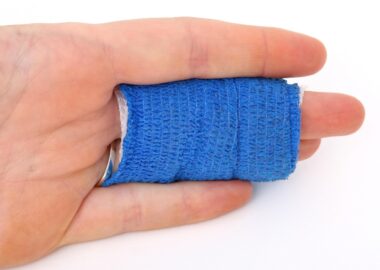
When a cut or abrasion occurs, acting quickly can make all the difference. Begin by assessing the injury to determine whether it requires professional veterinary attention. If the cut is minor, first clean the area gently using lukewarm water. Avoid using hydrogen peroxide, as it can harm healthy tissue. After cleaning the wound, use a clean cloth to remove any dirt or debris that may have entered the cut. Applying an antiseptic solution designed for dogs can help reduce the risk of infection. Next, consider applying a bandage if the wound is deep or in a location that your dog may irritate by licking. Wrap it loosely to maintain blood circulation while protecting the injury. Monitor the bandage for any signs of excessive moisture or dirt. If the cut starts bleeding again, apply pressure with a clean cloth until it stops. Finally, observe your dog for signs of pain or distress. If these symptoms worsen or if the injury does not improve, do not hesitate to contact your veterinarian for more extensive care as they offer essential guidance.
Preventing injuries during dog sports should be a priority for all pet owners. Ensuring your dog is in good shape with regular exercise can help them to become more resilient to minor cuts and abrasions. Proper conditioning can also improve their endurance and decrease the likelihood of accidents. Before engaging in any strenuous activity, always warm up your dog properly—this promotes better muscle performance and decreases injury chances. Additionally, selecting the right gear for your dog is crucial. Protective booties can provide added cushioning against rough surfaces, while weather-appropriate attire can shield sensitive skin. Have your veterinarian assess your dog’s suitability for specific activities, as this will prevent injuries resulting from overexertion. Make sure to choose safe play areas, free from sharp objects or hazards. Lastly, educating yourself in canine anatomy and behavior empowers you to make informed decisions. This understanding can lead to early detection of health issues that may predispose your dog to injuries. Staying proactive in your efforts will not only create an enjoyable active lifestyle for your dog but also ensure their safety and health in various activities.
Signs of Infection in Injuries
After an injury has occurred, keeping an eye out for signs of infection is essential for preventing further complications. Watch for symptoms such as redness, swelling, or warmth around the wound’s edges. Additionally, if the wound begins to produce foul-smelling discharge or pus, these are clear indicators of an underlying infection. Excessive licking or biting at the site of the injury can further exacerbate an already delicate situation, leading to deeper issues or even abscesses. Dogs may also exhibit changes in their usual behavior, becoming lethargic or showing decreased appetite, which should raise a red flag. Furthermore, if the cut begins to bleed again after initial treatment, or if the wound does not show any signs of healing after a week, consulting your veterinarian is crucial. Your vet may need to administer antibiotics or other treatments to assist with recovery. Early intervention is vital in overcoming infections, and having a knowledgeable vet is your best resource. Keep a close watch on your sport dog’s overall behavior to help facilitate a quick recovery process.
Having a well-equipped first aid kit is essential for any pet owner involved in dog sports. Creating a kit for your dog should include not only standard items like gauze and adhesive tape but also a few specific items tailored for canine needs. Make sure to include antiseptic wipes or solutions formulated for dogs, as well as a thermometer to check for fever. A pair of tweezers can be handy for removing splinters or ticks. Don’t forget to include an emergency contact card for your veterinarian, along with instructions for any medications or conditions your dog may have. Furthermore, a dog emergency guide that you can quickly refer to in high-pressure situations can prove invaluable. Check your kit regularly to restock any used supplies and ensure everything is in working condition. Ideally, keep this kit in an easily accessible location during competitions or training sessions. Always know where your first aid kit is located, as this knowledge can save precious time in an emergency. A well-prepared owner can make a world of difference in their dog’s recovery.
Long-term Care and Monitoring
After treating a cut or abrasion, providing ongoing care is crucial for long-term recovery. Regularly check the injured area for any signs of complications or delayed healing. Ensure the wound remains clean and dry, as moisture can facilitate infection growth. Follow your veterinarian’s guidelines on how frequently wounds should be rechecked or treated. Keep your active dog from engaging in rigorous activities until the healing is complete. This might mean shorter, gentler walks and limiting their access to rough terrains. When the injury is healing well, you can slowly reintroduce them to normal activities, paying attention to how they respond. Monitoring is not just for initial injury but also for general health. While you care for the physical wound, observe your dog’s emotional state too, as injuries can affect their mood or behavior. Provide them a calm environment where they can rest and recuperate. Gradually easing them back into their regular routines will not only help their body heal but will also support their overall well-being after experiencing an injury.
By prioritizing proper first aid and care, you can ensure your sport dog has a safe and enjoyable experience. It’s all about balance—between activity and rest, excitement and safety. Strengthening your knowledge will empower you to quickly react when needed and keep your dog fit and active. Furthermore, consulting with professionals, including trainers and veterinarians, can provide you with valuable insights into best practices during sports activities. Always be proactive by asking questions and learning more about dog sports first aid. Join communities and forums to exchange ideas and experiences with fellow dog owners and enthusiasts; sharing knowledge can create a supportive network. Knowledge is crucial for transforming any situation, especially during emergencies. Create a supportive environment where your dog feels secure, understood, and cared for. This approach will reinforce their trust in you, minimizing anxiety when injuries do occur. Remember, the ultimate goal is to enjoy the bond shared with your sport dog while ensuring their health and safety during various activities, without compromising on their passion for sports.