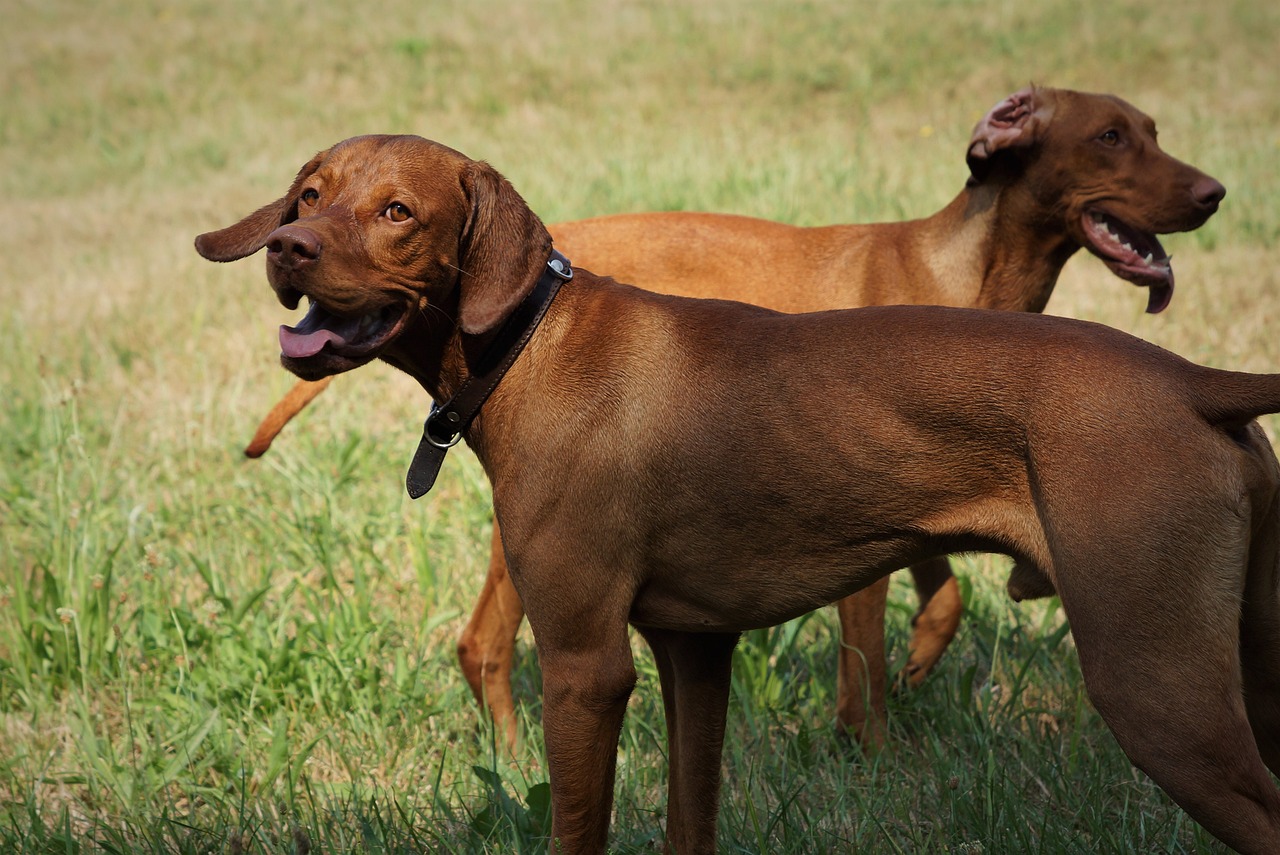

Dog Training and Legal Considerations in Hunting Scenarios
Hunting with a dog requires understanding several legal considerations that ensure the safety of the animal and compliance with the law. Each state presents its unique regulations governing outdoor canine activities, particularly regarding hunting. First, hunters must verify the licensing rules applicable in their locality. In many areas, certain breeds are regulated, and without a proper license, individuals could face penalties. Additionally, each season may have specific dog-related rules designed to protect wildlife and minimize risks. Another crucial aspect is the training of the dog itself. Properly trained dogs can greatly enhance the hunting experience. It ensures efficient tracking and recovering of prey. Engaging a professional trainer who understands hunting can provide insights into effective techniques while also covering crucial legal mandates. Education related to humane treatment of animals is just as essential. This safeguards your interests and aligns with wildlife conservation efforts. Thus, incorporating comprehensive knowledge of both canine training and legal responsibilities is paramount for anyone considering hunting with their dog.
Dog hunting laws vary significantly by region, making it essential for hunting enthusiasts to be well-informed about their local legislation. For instance, some states impose age restrictions and specific training requirements for hunting dogs. Breeds like the Labrador Retriever, Beagle, and German Shorthaired Pointer are often favored in hunting scenarios. Ensuring you select a breed suitable for your hunting needs influences both your success and compliance with laws. It’s crucial to acquire dogs from reputable breeders who ensure proper health certifications. Additionally, responsibilities of the dog owner extend to having identification, such as microchips or tags, to reunite lost dogs with their owners. Ignoring such rules can result in hefty fines or the adoption of the dog by authorities. Another essential law to understand involves the right to hunt on private versus public land. Many hunting opportunities require written consent from landowners before proceeding. Enthusiasts should also be aware of hunting seasons and any restrictions that apply. Sunday hunting, for example, is illegal in certain regions. Knowledge of these laws ensures both successful hunts and the general welfare of hunting dogs.
Importance of Proper Training
Training is not merely a preference but a necessity for hunting dogs. Proper training enhances their instinctual abilities and compliance with their handlers in the field. A well-trained dog can follow commands promptly, thus ensuring safety and efficiency during hunts. One fundamental training aspect is obedience. Hunters should prioritize commands like sit, stay, come, and heel. These commands create a reliable bond and ensure immediate response to the handler’s requests. Additionally, socializing the dog with various environments prepares it for unexpected scenarios during actual hunts. Exposure to sounds, scents, and wildlife mimicking hunting situations prepares dogs for the field. Engaging in practice hunts is another excellent way to gauge your dog’s readiness. Positive reinforcement techniques prove effective for encouraging desired behaviors. Utilizing rewards strengthens good behavior while building confidence. However, investing time in training goes beyond field readiness; it’s about nurturing a harmonious relationship between dog and handler. An understanding between both parties fosters teamwork, ultimately leading to a successful hunting experience. Overall, committing to intensive training guarantees legal compliance and enriches the hunting experience for everyone involved.
The legal implications of hunting with dogs can extend beyond training and licensing, making it crucial to understand state laws regarding hunting methods. Some states allow the use of hounds for tracking game, while others ban certain practices, such as pursuing deer or other game animals specifically. Being unaware of these laws puts both the dog and the hunter in jeopardy. Investigating these regulations can include checking state fish and wildlife agency websites, where comprehensive guidelines are frequently available. Furthermore, respecting the wildlife and those who share the trails is vital. Excessive noise or chaotic dog behavior can disturb wildlife and fellow hunters. Thus, being a good steward of the environment ensures continued opportunities for outdoor activities. Hunters should also familiarize themselves with what constitutes ethical hunting practices, which covers ensuring a quick and humane kill to prevent animal suffering. Responsible hunters must also ensure that their dogs do not pursue non-target species. Awareness in these situations can prevent legal consequences and preserve the integrity of hunting as a respected tradition. Hence, mastering both legal considerations and ethical obligations creates a positive atmosphere for hunting.
Responsibilities of Dog Owners
Dog owners engaged in hunting must prioritize their pet’s care and well-being above all. Owning a hunting dog does not only involve hunting obligations; it requires an understanding of their psychological and physical needs. Regular veterinary check-ups are essential to ensure they remain healthy and are fit for hunting activities. Potential health risks, such as Lyme disease or injuries from rough terrains, should not be overlooked. A responsible dog owner must recognize the signs of discomfort or illness in their dog. Additionally, exercising the dog sufficiently, both physically and mentally, ensures heightened performance during hunts. Providing sufficient training and socialization ensures the dog responds well to various distractions. Before hunting trips, ensuring the proper gear and equipment is in place is equally essential. This includes leashes, collars, and vests designed for visibility and safety during hunts. Additionally, researching and adhering to local regulations governing dog hunting is critical. For example, using tracking devices not only assists in locating dogs but can also meet legal requirements for tracking wildlife. Overall, through diligence and care, dog owners can cultivate a positive relationship with their companions while ensuring compliance.
Involving dogs in hunting necessitates an acute awareness of ongoing societal debates surrounding hunting laws and animal rights. Advocates emphasize the importance of maintaining respectful practices while aiming for more humane regulations. Hunting organizations often collaborate to promote ethical hunting and environmental stewardship. Thus, understanding public sentiment regarding hunting acts as a practical guide to dog training and hunting preparation. Dog trainers must stay informed about trends in hunting laws to adapt their training methods appropriately. This awareness empowers trainers to prepare both dogs and hunters adequately, resulting in fewer legal conflicts and enhanced hunting experiences. Moreover, participating in forums or workshops focusing on legal issues presents opportunities to gain insights into common hunting practices. Engaging with local communities and fellow hunters fosters a culture of responsibility and ethical behavior when using dogs for hunting. Thus, animal welfare and legal compliance intertwine effectively with the hunting community. Future policymaking could hinge upon the societal perspectives regarding hunting, emphasizing the need for continuous advocacy against inhumane practices. So, understanding this relationship is essential for dog owners and hunters alike.
Conclusion and Best Practices
Concluding, the interplay between dog training and legal regulations in hunting poses both challenges and opportunities. Awareness and respect for laws are key in developing responsible hunting skills while actively engaging with dogs. Before venturing into the field, reviewing local regulations can prevent trouble and ensure compliance while hunting. Implementing best practices in dog hunting enables sustainable outcomes for responsible hunters. A few key practices include thoroughly training your dog before hunts, adhering to ethical standards, and knowing where, when, and how to hunt legally. Moreover, utilizing technology, such as apps designed for tracking hunting regulations, provides up-to-date information about changes in laws and helps hunters stay compliant. Education should remain a continuous endeavor for both dog owners and trainers alike. Local workshops or seminars focusing on canine training and legal issues offer enriching resources. Finally, promoting humane treatment and preservation of wildlife contributes to a fulfilling hunting experience. By encouraging responsible actions, hunters ensure their legacy is upheld and respected. Overall, responsible engagement creates harmonious interactions between dogs, hunters, and nature.