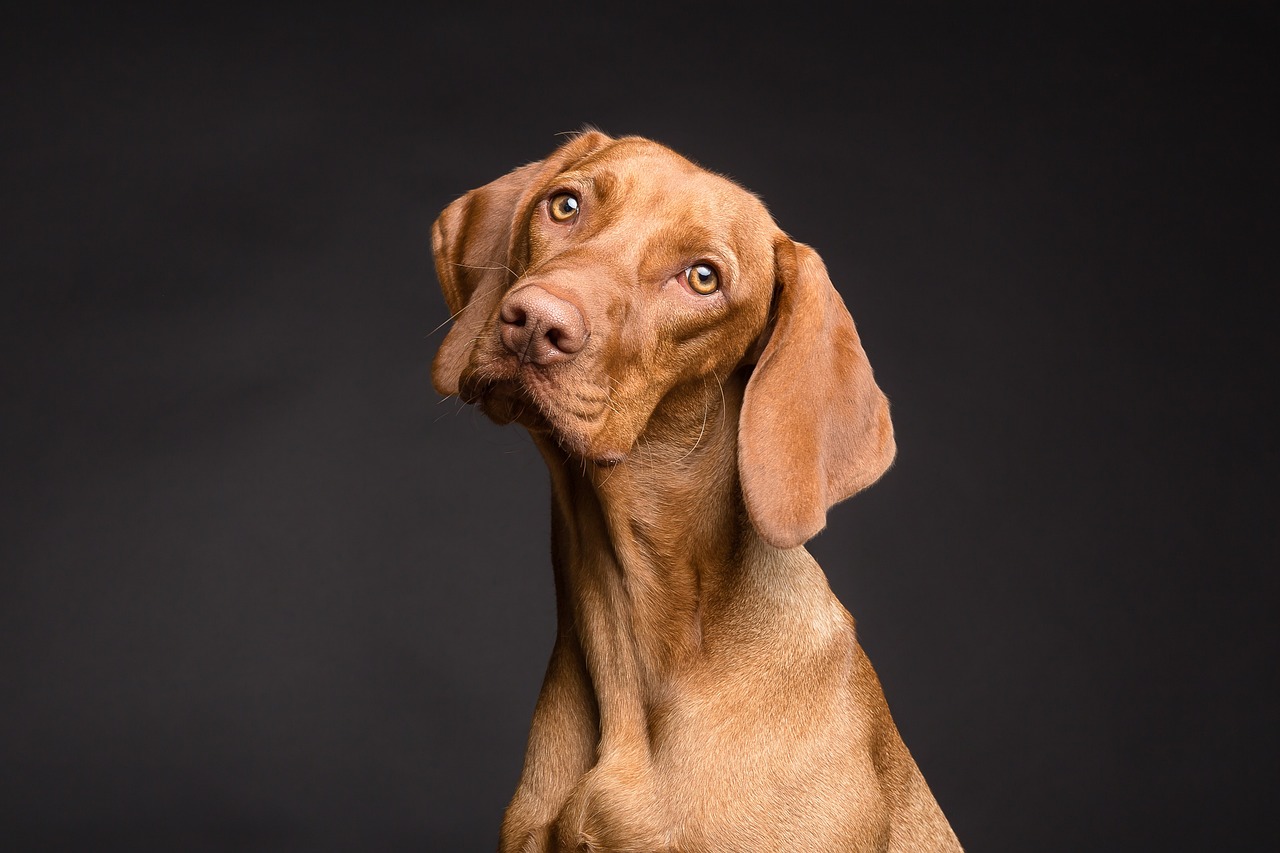

How Dogs Respond to Human Facial Expressions: A Two-Way Street
Understanding canine psychology is essential for fostering better relationships between humans and dogs. Dogs are highly social animals that thrive on interaction with their owners. One significant aspect of this interaction is the way they respond to human facial expressions. Research shows that dogs are adept at reading emotions on human faces, allowing them to gauge how their owners might be feeling. This capacity enables them to react appropriately, whether by seeking comfort or providing support during moments of anxiety. The ability to interpret these expressions suggests a level of emotional intelligence that is remarkable for a non-human species.
Studies indicate that dogs can distinguish between happy, sad, and neutral faces, often responding with distinct behaviors. For instance, a smiling face may prompt a dog to wag its tail or approach curiously. In contrast, a frown may lead to the dog retreating or becoming more cautious. These reactions show that dogs are not just passive observers but active participants in the emotional exchange between species. They display a remarkable empathy towards human emotions, which can strengthen the bond shared in their lives. Positive interactions can indeed enhance the dogs’ well-being and mental health.
The relationship is not entirely one-sided; human responses to canine expressions also play a crucial role. Many owners rely heavily on their dogs for emotional support, often mirroring the behaviors they observe. When a dog displays joy, humans might reciprocate with affection or praise, reinforcing positive behaviors. Conversely, if a dog appears anxious, an owner might feel compelled to comfort it. This interplay enhances the understanding of both parties, creating a feedback loop that can have lasting benefits for both the dog’s and owner’s emotional health. Observing these expressions can lead to deeper emotional connections.
The Science Behind Facial Recognition in Dogs
Research conducted in recent years has revealed how dogs use their sense of sight and smell to interpret human emotions. Dogs possess a keen ability to read facial cues and are particularly responsive to the eyes, which express a wide variety of feelings. This ability to read facial expressions may stem from their evolutionary history, involving cohabitation and close relationships with humans. Many dog breeds have developed traits that enhance social interactions, enabling better communication through body language and facial expressions. Understanding this ability can significantly impact training and behavior.
Canine communication isn’t limited to facial expressions alone; body language plays a crucial role. Dogs combine visual cues from faces with other signals, such as posture, ear positioning, and tail movement. Understanding the entire spectrum of canine communication allows owners to interpret dogs’ emotional states more accurately. For example, a dog showing submission or fear through lowered ears must be considered alongside the human’s facial expression to understand the complete situation. This multilayered communication further exemplifies the chemistry between dogs and humans, enhancing the emotional connection shared in their partnership.
Moreover, dogs frequently utilize their keen senses to assess a situation. Their strong olfactory receptors let them detect hormonal changes in humans, such as those associated with stress or fear. This biological factor contributes to their sensitivity towards human emotions. Consequently, dogs may behave differently based on their owners’ emotional states, showcasing their empathetic abilities. Recognizing these signals is vital for dog owners who wish to nurture a positive and healthy environment. Fostering emotional intelligence shared between them creates a more harmonious living space with both parties thriving together.
Building a Stronger Bond Through Facial Expression Awareness
To deepen the bond between humans and dogs, owners can engage in activities that develop their mutual understanding of facial expressions. Regular playtime, training sessions, or simple interactions can help dogs become more attuned to their owner’s emotional states. Moreover, owners can practice being aware of their facial cues and how they influence their dogs’ reactions. By modifying facial expressions, they can help establish positive reinforcement or provide reassurance during stressful times. This awareness can lead to a more harmonious relationship, as dogs learn to associate specific facial cues with desirable outcomes.
Furthermore, creating a supportive environment contributes to positive interactions. Owners should strive to promote a calm and inviting atmosphere that encourages dogs to express themselves freely. Setting aside dedicated time for bonding activities, such as walking or playing, allows both parties to engage positively. Being present while fostering a connection enhances dogs’ emotional literacy and builds their confidence. Together, these efforts help develop a balanced relationship based on mutual respect and understanding, resulting in a fulfilling partnership built on trust, love, and shared experiences.