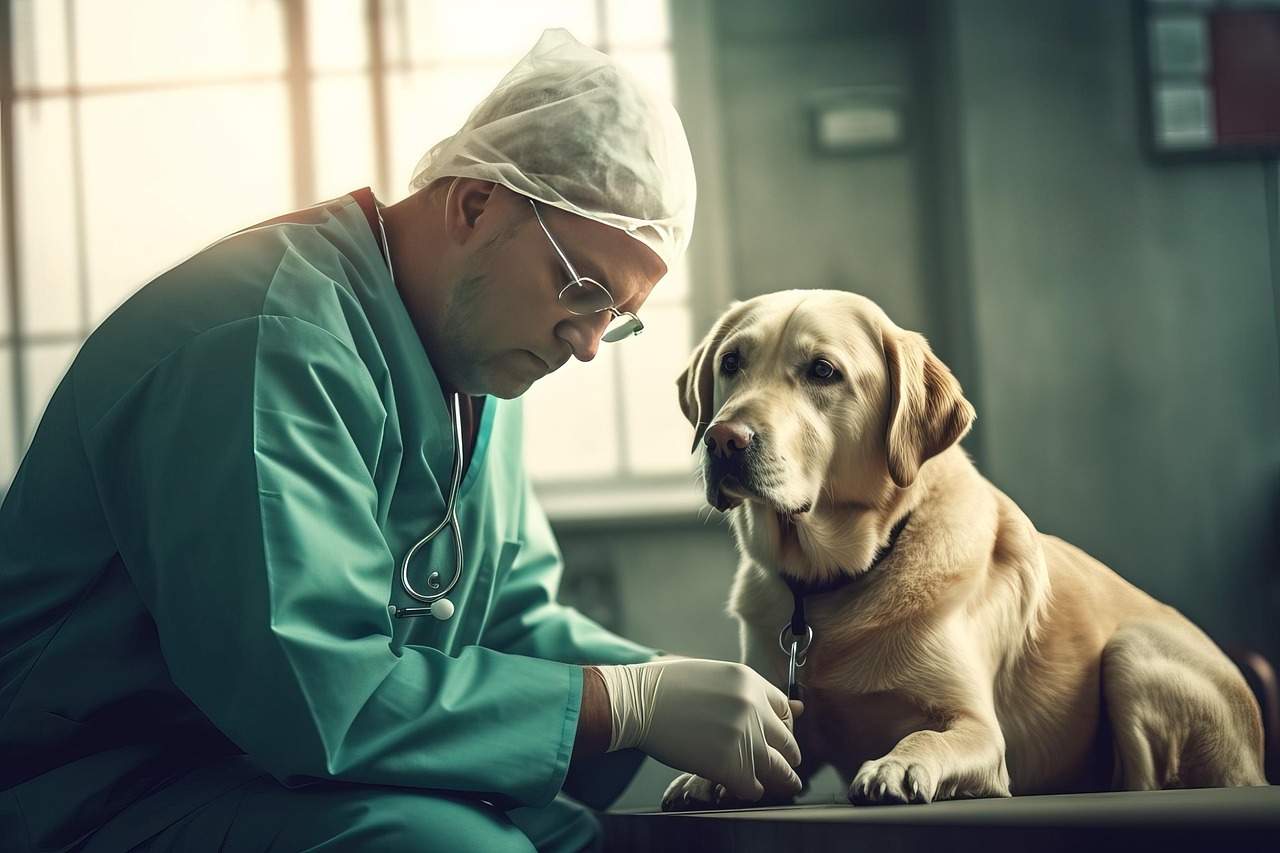

How Vaccinations Fit into Overall Dog Safety Strategies
Ensuring the safety of your dog encompasses many aspects, and one of the most critical areas is vaccinations. Vaccinations are essential in protecting dogs from serious diseases that can be fatal or lead to severe health issues. Common vaccinations, such as those for rabies, parvovirus, and distemper, safeguard your pet and can prevent the spread of diseases. Furthermore, by having your dog vaccinated, you are contributing to public health and safety, as many canine diseases can transmit to other animals and even humans. You should check with your veterinarian to create a suitable vaccination schedule for your dog. Depending on factors like age, breed, and lifestyle, your vet will recommend a tailored approach to keeping vaccinations up to date. Regular vet visits will also help identify any potential health issues early on, leading to better outcomes. Always keep in mind that vaccinations alone are not enough; they should complement other safety practices. Proper training, socialization, and awareness of your environment are equally vital in ensuring your dog remains healthy and safe for years to come.
A vital part of understanding vaccinations is knowing the timeline and required shots for dogs. Puppies typically receive their first vaccinations at around 6-8 weeks of age and will require multiple boosters throughout their early months. Vaccinations help strengthen their immune systems, significantly reducing their chances of contracting infectious diseases. As these young dogs mature, they will also need to receive booster shots to maintain immunity. Owners should maintain a written record of their dog’s vaccination history to ensure that all shots are given on time. Most states require rabies vaccinations by a certain age, and failing to comply with these regulations can lead to legal consequences. Additionally, certain facilities like dog parks, groomers, and boarding kennels may require proof of vaccination before allowing your dog entry. In this way, timely vaccine administration becomes essential not only for the dog’s health but also for their social interactions. Owners should consult their veterinarians about any special considerations based on their dog’s lifestyle to determine which vaccinations are necessary. Keeping your canine companion healthy and protected requires diligence and awareness of their specific needs.
The Role Vaccinations Play in Dog Safety
Vaccinations significantly impact not just the individual dog’s health, but also the health of the wider dog population and community. By ensuring your dog is vaccinated, you reduce the risk of outbreaks and keep the overall dog population safe. For instance, diseases such as kennel cough can spread easily in crowded situations, but vaccinated dogs have better protection against such illnesses. Moreover, certain vaccinations provide herd immunity, which helps protect unvaccinated dogs in the area. It is also vital to understand the potential consequences of not vaccinating. Non-vaccinated dogs are at a higher risk of infections that can lead to severe complications, which can be costly and traumatic for both the owner and the dog. In some instances, failed immunity from vaccines can occur, which is why regular check-ups with your veterinarian are crucial. They can run blood tests to evaluate your dog’s immunity levels and make any necessary adjustments to their vaccination schedule. Being proactive in your dog’s health contributes positively to the entire pet-loving community.
Another essential component of dog safety is understanding vaccine side effects and risks. Like all medical treatments, vaccinations carry some potential risks and side effects. Common effects include mild reactions such as lethargy, slight fever, or swelling at the injection site. More serious side effects, although rare, can occur, including allergic reactions. Recognizing these symptoms early allows for prompt treatment, should they arise. After your dog receives a vaccination, monitoring them for a couple of hours is wise. If any unusual or severe reactions occur, immediately consult your veterinarian. Most dogs will tolerate vaccinations well, and the health benefits far outweigh potential risks. Vaccination is particularly crucial in high-risk environments, such as shelters or dog parks, where exposure to pathogens is more likely. Dogs that are subject to stress, illness, or other underlying health conditions may need additional precautions or even adjusted vaccination protocols. Communicating openly with your veterinarian about your dog’s health history will ensure an informed decision on their vaccination needs. Ultimately, informed choices contribute to your dog’s overall well-being.
Vaccination Guidelines for Different Breeds
Different dog breeds may have unique vaccination requirements based on their specific health risks and characteristics. For example, larger breeds may have different immune responses than smaller ones, potentially necessitating adjustments to their vaccination schedules. Certain breeds are inherently predisposed to specific health problems, hence veterinary professionals often recommend certain vaccinations accordingly. For instance, breeds like Doberman Pinschers and Rottweilers may require additional attention due to their vulnerability to certain diseases. Consulting breed-specific resources or organizations can provide an insightful perspective on the vaccine needs of your dog. Moreover, vaccinations should be tailored based on your dog’s daily activities and lifestyle. For instance, dogs that will frequently interact with other dogs, participate in agility sports, or travel to various locations should have comprehensive vaccination coverage. Socialization and lifestyle are critical considerations when developing a vaccination plan. Always stay informed and consult with your veterinarian regarding the best vaccination protocol for your specific breed and circumstances. It is crucial to ensure your dog is fully protected according to their individual health profile.
While vaccinations are paramount, it is essential not to overlook other safety measures for your dog. Aside from vaccinations, dog safety strategies include regular check-ups, proper nutrition, and training. All of these components work hand-in-hand in ensuring a dog’s health and well-being. Regular visits to the vet can catch potential health issues early on, which can significantly affect a dog’s quality of life. Training is also a critical aspect of dog safety; an obedient dog is less likely to engage in risky behavior or encounter accidents. Further, implementing positive reinforcement training techniques helps create a bond with your dog, resulting in a more obedient and safety-conscious pet. Owners should familiarize themselves with local laws regarding dog ownership, vaccinations, and leash laws to avoid fines or repercussions. Alongside that, make sure to establish a safe environment for your dog at home with proper fencing and secure areas during outdoor activities. A proactive approach combining vaccinations, regular check-ups, and training will significantly enhance your dog’s safety and happiness while fostering a healthy environment.
Conclusion: Integrating Vaccinations into Comprehensive Safety Strategies
In conclusion, vaccinations are a vital pillar in the entirety of dog safety strategies. They not only protect your dog from severe diseases but also contribute to the overall welfare of the canine community. While vaccinations play a critical role, they should be viewed as part of a broader approach to dog safety that includes training, regular veterinary care, and socialization. Understanding the importance of timing and the specifics of your dog’s health needs is essential for their protection. Maintain open communication with your veterinarian for tailored advice based on lifestyle factors that may impact your dog’s health. Remember to stay updated with the latest vaccination recommendations, as guidelines can change. Making informed decisions regarding your dog’s health will mitigate risks to their well-being and that of other animals and humans. Always prioritize safety practices that enhance your dog’s quality of life, allowing them to thrive in a safe environment. In essence, being diligent about vaccinations, alongside other safety protocols, leads to healthier and happier lives for our furry friends.
Lastly, sharing vaccine information with other dog owners in your community emphasizes the importance of responsible pet ownership. Engaging in discussions about vaccinations helps underline the necessity of protecting all dogs against preventable diseases. Community awareness can lead to collective action, resulting in healthier neighborhoods for pets and humans alike. Creating informative resources, social media posts, and community programs addressing dog vaccinations can help highlight their significance. Consider hosting events where local veterinarians provide free or low-cost vaccinations to encourage participation among dog owners. Such initiatives raise awareness and directly benefit the overall dog population. Also, ensure to educate fellow pet owners on recognizing potential symptoms of vaccine-related side effects, fostering a knowledgeable dog community. Encourage them to seek veterinary advice promptly whenever concerns arise. When dog owners stand together in the commitment to vaccination and health, it fosters an environment of care and safety for all dogs. As responsible pet owners, we should work diligently toward advocating for better practices and awareness related to vaccinations. Together, we create a healthier and more secure world for our beloved companions.