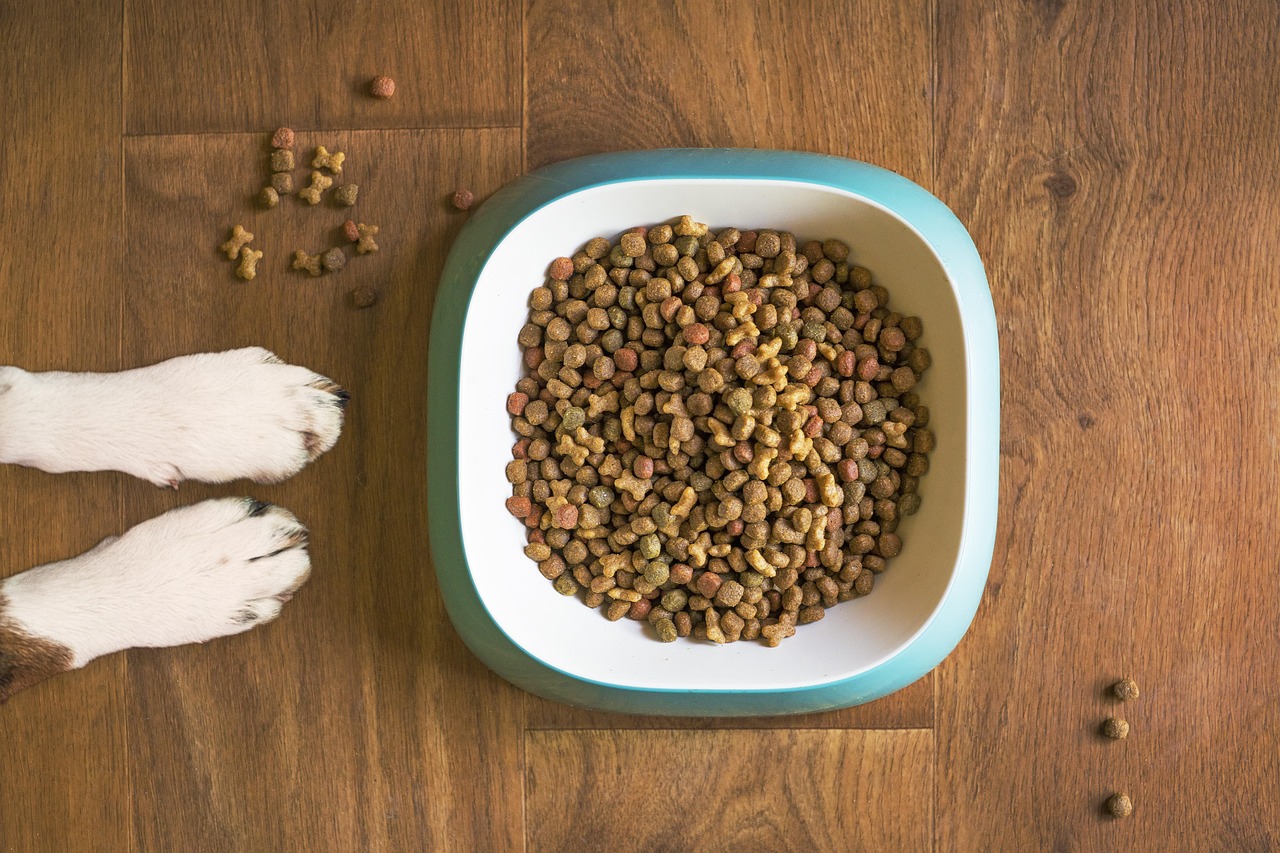

Probiotics and Their Role in Allergic Dog Nutrition
Understanding the significance of probiotics in dog nutrition, especially for dogs with allergies, is crucial. Allergies in dogs can lead to various health issues, including skin irritations and gastrointestinal problems. Probiotics play a vital role in enhancing gut health, which may reduce the severity of these allergies. These beneficial bacteria are known to support the immune system, contributing to better overall health in dogs. They aid in the digestion of food and can lead to improved nutrient absorption. For dogs suffering from food allergies, selecting the right probiotic is key. Not all probiotics are created equal, so it is essential to choose strains that can effectively colonize the gut of dogs. Various sources of probiotics are available, including yogurt and specialized supplements. A veterinarian’s guidance is invaluable when choosing products that best fit the dietary needs of a dog with allergies. By doing so, dog owners can help ensure their pets receive the probiotic benefits necessary for alleviating allergy symptoms, leading to a happier and healthier life for their four-legged companions.
The relationship between probiotics and the immune system is well-documented. By enhancing gut health, probiotics can have a significant impact on a dog’s immune system function. This is particularly important for dogs with allergies, as a robust immune system can help mitigate allergy symptoms. When a dog’s gut flora is out of balance, it can lead to inflammation and an increased allergic response. Probiotics help restore this balance by introducing beneficial bacteria into the digestive tract. This restoration can lead to reduced intestinal permeability, commonly referred to as “leaky gut.” A well-regulated gut lining helps prevent allergens from entering the bloodstream, thereby lowering the incidence of allergic reactions. Additionally, probiotics may interact with the immune system by modulating immune responses, potentially leading to a decreased hypersensitivity to allergens. Some studies have indicated that specific probiotic strains can regulate the production of IgE antibodies, which are often elevated in allergic dogs. Therefore, the inclusion of targeted probiotics in the diet may offer a natural and effective method to improve allergic responses in dogs while promoting their overall health.
Choosing the Right Probiotics for Allergic Dogs
When selecting probiotics for dogs dealing with allergies, it is important to consider specific probiotic strains. Not all strains are suitable for every dog, particularly those with unique dietary sensitivities. Look for probiotics containing strains such as Lactobacillus and Bifidobacterium that are known to beneficially influence gut microbiota. These strains have been associated with improved gut health, leading to a reduction in allergic reactions among canines. Always check the product label to ensure the probiotic is formulated specifically for dogs. A clinical study indicated that strains like Lactobacillus rhamnosus could help alleviate allergy symptoms in allergic dogs, making them a good choice for supporting allergic reactions. Additionally, consider the delivery method of the probiotics, whether in powder, capsule, or food form. Some dogs may prefer one method over another, so choose what your dog readily accepts to ensure they receive the full benefit. Consulting a veterinarian before introducing a new probiotic into your dog’s diet is advisable. They can assist in determining the best strategy for your dog’s specific needs and health conditions.
Incorporating probiotics into the daily diet of a dog with allergies can yield several positive results. Research has shown that probiotics can enhance dogs’ digestion, leading to more efficient breakdown and absorption of nutrients. This improved nutrient availability is crucial for dogs with allergies, as they often need a balanced diet to support their immune health. While compatible with hypoallergenic diets, probiotics can further enhance the dietary management of allergies by soothing the gut lining and reducing inflammation. Additionally, these helpful bacteria can help prevent secondary infections that may arise due to compromised skin conditions related to allergies. Some dogs may experience changes in their stool consistency; this is usually a sign that probiotics are influencing gut health. Owners should monitor their dogs closely during this transition period. It is often recommended to introduce probiotics gradually, allowing the dog’s gut time to adapt. Observations should include tracking potential changes in allergy symptoms such as itching, redness, or digestive discomfort. Over time, many owners may notice a significant improvement, making probiotics an essential component of allergic dog nutrition.
Potential Side Effects and Considerations
Despite the benefits of probiotics, there are potential side effects that dog owners should be aware of. Introducing probiotics too quickly can result in gastrointestinal upset, including diarrhea or gas. Caution is advised when beginning probiotics; gradual introduction is generally preferred. Monitoring the dog’s bowel movements is essential during this period. If any adverse side effects occur, consult with a veterinarian for guidance since some dogs may have unique reactions to specific probiotic strains. Additionally, it is important to consider the age and health status of the dog before introducing probiotics, particularly for immune-compromised or very young dogs. Factors like underlying health conditions can influence how well a dog tolerates probiotics. Not all probiotics are suitable for every dog, so checking the formulation and suitability is essential. Some may not align with the dog’s specific dietary needs due to allergies to specific ingredients. Always opt for high-quality products from reputable manufacturers to ensure safety and effectiveness. They should ideally provide transparency about strains used and include backing from scientific studies validating their claims about efficacy.
In the quest for optimal allergic dog nutrition, incorporating probiotics is one of several strategies that can be employed effectively. Alongside a well-structured diet, choosing natural, whole foods can significantly impact a dog’s overall health. It is recommended to adopt an elimination diet to pinpoint specific allergenic ingredients in a dog’s food, ensuring the diet is both nourishing and allergy-friendly. Upon identifying specific allergens, probiotics can complement dietary adjustments by enhancing gut health and immune responses. Maintaining a holistic approach that combines diet, environmental control of allergens, and probiotics may yield the best outcomes for dogs suffering from allergies. Regular visits to the veterinarian can aid in monitoring the dog’s response to changes in the diet and supplementation. Such proactive steps can significantly improve the well-being of dogs with food sensitivities. Discuss with your veterinarian the role of probiotics in managing your dog’s allergies. Together, you can create a comprehensive plan that takes into account your dog’s unique health needs, leading to the best possible management of allergy symptoms and improved quality of life for your furry friend.
Long-term Benefits of Probiotic Use
The long-term benefits of utilizing probiotics for dogs with allergies extend beyond immediate symptom relief. These beneficial bacteria not only support gut health but also foster a balanced microbiome, which can sustain improved tolerance to allergens over time. With regular use, probiotics may enable a dog’s digestive system and immune health to adapt to previously intolerable allergens. This adaptability can significantly reduce the frequency and severity of allergic reactions, creating a better living condition for allergic dogs. Furthermore, consistent probiotic supplementation may enhance nutrient absorption efficiency, ultimately leading to overall better health. Owners may observe an increase in energy levels and vitality as their dog’s gut health improves. Alongside other health practices, probiotics strengthen the body’s natural defense mechanisms, promoting resilience against common allergens. The cumulative effects of incorporating probiotics into a dog’s routine can enhance their quality of life in the long run. Continuously evaluating the impact of probiotics with your veterinarian can maximize these benefits, ensuring that each dog’s unique needs are being met through suitable dietary and probiotic interventions. Overall, this approach promotes lasting health solutions for dogs with allergies.
As we integrate probiotics into the dietary regimen of dogs with allergies, understanding their role within the context of allergy management is pivotal. Responsible pet ownership entails not only addressing the immediate symptoms of allergies but also facilitating long-term health strategies for dogs. The multifaceted approach of utilizing probiotics opens doors to greater possibilities for allergic dog nutrition. Moreover, fostering a collaborative relationship with veterinary professionals yields the best outcomes. In conclusion, probiotics bring valuable support to the overall well-being of dogs with allergies, so pet owners are encouraged to continue learning about and utilizing these powerful supplements effectively.Each dog is unique, and understanding individual responses to probiotic supplementation is key. The journey to improved nutrition and health starts with a conscious choice to embrace these potent allies in dog wellness. Always strive to keep informed about new developments in canine nutrition and allergy management, as ongoing research continues to unveil greater insights into this vital aspect of pet care. The dedication to enhancing the lives of dogs with allergies transforms everyday care into a mission to create fulfilling and joyful lives.