
Seasonal Shedding Myths and Facts Every Cat Owner Should Know
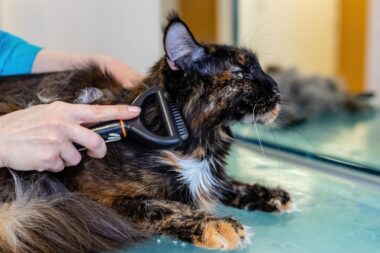
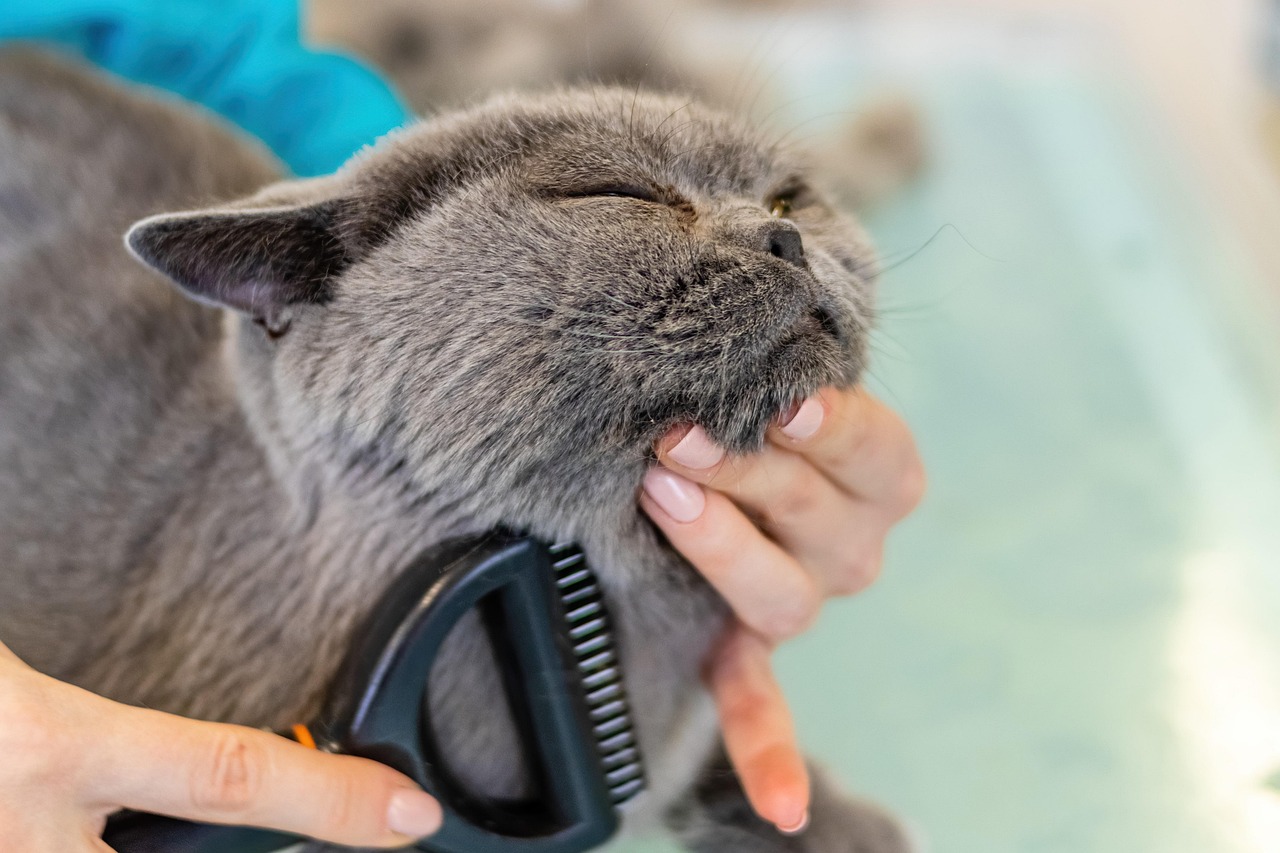
Every cat owner should be aware of the seasonal shedding of their feline companions. Understanding the shedding process is vital for maintaining a healthy relationship with your pet. One common myth is that cats only shed during specific seasons or in response to weather changes. In reality, shedding can occur year-round, but it may increase during spring and fall. Cats have a natural instinct to prepare for temperature changes, resulting in more fur loss. Good grooming habits can help manage shedding. Regular brushing can reduce fur around the house and minimize hairballs. Various tools exist for cat grooming, including slicker brushes, deshedding tools, and grooming gloves, each serving different purposes. Another important factor is diet; feeding your cat a balanced meal rich in essential fatty acids can improve skin health and reduce excessive shedding. Keep in mind that some breeds, like Maine Coons and Persians, may shed more than others due to their longer fur. By recognizing these facts and debunking myths, cat owners can better manage their pet’s shedding behaviors. Taking proactive steps will not only benefit your cat but also help maintain a clean home.
The myth that indoor cats do not shed as much as outdoor cats is another misconception. In reality, indoor cats can shed just as much, if not more, because they spend their time in controlled environments where artificial lighting and heated conditions can affect fur growth cycles. Understanding the factors affecting shedding is crucial to effective management. Another fact is that the age of your cat can also influence shedding habits. Kittens may shed more fur as they transition from baby fur to adult coats, while senior cats may experience changes in shedding patterns as their fur becomes thinner. It’s essential to monitor shedding and consult a veterinarian if it becomes excessive or if there are signs of skin issues. Allergies or skin conditions could be contributors to unexpected fur loss. Additionally, using air purifiers or antihistamines can help manage allergens for both you and your feline. Regular vet check-ups are necessary to ensure overall health and to address any specific shedding concerns. By staying informed and proactive, cat owners can help their pets navigate through these seasonal changes with ease.
Understanding Your Cat’s Shedding Cycle
The shedding cycle of cats can be influenced by several factors, including breed, health, and seasonal changes. Many cat breeds tend to shed more severely during specific times of the year, especially those with double coats. Understanding your cat’s breed can help predict shedding patterns and adjust grooming habits accordingly. Additionally, hormonal changes during mating seasons can trigger increased shedding in unspayed or unneutered cats. Keeping your cat spayed or neutered can help minimize unnecessary fur loss. Diet also plays a significant role in a cat’s coat health. A diet rich in essential nutrients, particularly omega-3 and omega-6 fatty acids, will support healthy fur growth and skin condition. Providing proper hydration is equally important, as it can affect the quality of your cat’s coat. A cat’s overall emotional and physical health is also linked to their coat condition and shedding behavior. Stress can exacerbate shedding, so it is essential to create a calm environment for your pet. Keeping their space quiet and familiar will help to alleviate anxiety that can lead to excessive fur loss.
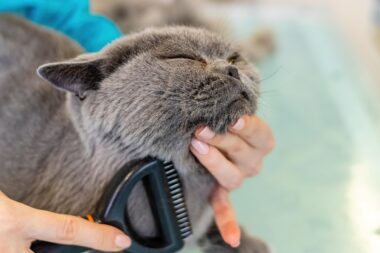
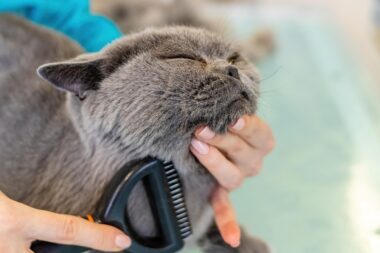
Regular grooming is one of the best ways to manage your cat’s shedding effectively. Engaging in weekly grooming routines can significantly reduce the amount of fur your cat sheds throughout the year. Grooming not only helps minimize loose fur but also promotes bonding between you and your pet. Besides brushing, it’s wise to bathe your cat occasionally to keep their fur clean and free from dirt and allergens. Bathing should be performed with cat-safe shampoos, as human products may irritate their skin. Before baths, it’s best to brush your cat to remove any tangles or mats, ensuring a smoother bathing experience. Additionally, consider investing in grooming training, teaching your cat to enjoy these grooming routines, which can enhance cooperation. Regular visits to a professional groomer can also be beneficial, especially for long-haired breeds. Some grooming facilities offer services specifically tailored to feline friends, ensuring your cat’s coat remains in optimal condition. Remember, the health of your cat’s skin is tied to their overall well-being, so attentive grooming will yield positive outcomes in managing seasonal shedding.
Recognizing Health Issues Correlated with Shedding
Excessive shedding can sometimes indicate underlying health issues that must be addressed promptly. Allergies, skin conditions, or parasites can contribute to increased shedding in cats, marking the importance of regular vet visits. If you notice more fur loss than usual, it might be an indicator of stress, poor nutrition, or a skin infection. Conducting thorough examinations of your cat’s skin and fur condition can provide essential insight. Checking for bald patches, excessive scratching, or signs of irritation is crucial. Moreover, some cats may develop conditions such as dermatophytosis, commonly known as ringworm, which can cause fur loss. If your cat exhibits any concerning symptoms, seeking professional advice from a veterinarian is recommended to ensure proper treatment. Additionally, changes in shedding related to hormonal issues might require medical intervention. In some cases, behavioral therapy can help alleviate stress-related shedding. Keep detailed records of your cat’s grooming habits, shedding patterns, and any changes in behavior. This will assist your veterinarian in diagnosing any potential issues effectively.
For those worried about the mess associated with shedding, implementing a consistent cleaning routine can go a long way. Regular vacuuming and lint-rolling can significantly lessen the amount of fur in your home. Additionally, using washable furniture covers can protect your space from accumulating fur and dander. Having pet-friendly upholstery that can withstand frequent washing may also help maintain a clean environment. When it comes to cleaning, using high-efficiency particulate air (HEPA) filters can significantly reduce airborne allergens, which is beneficial for both you and your cat. It’s essential to regularly dust surfaces and clean out your cat’s litter box. This practice not only maintains hygiene, but it also helps reduce allergens that contribute to shedding. Offering designated resting areas with washable blankets can provide your cat with a comfortable space while capturing any excess fur. Proper home maintenance harmonizes well with cat grooming practices, as a clean space complements healthy shedding management. By becoming proactive in these protective measures, you’ll ultimately create a more comfortable and cleaner environment for both you and your furry friend.
Embracing the Shedding Season Together
Finally, embracing the shedding season is a crucial mindset for cat owners. Understanding that shedding is a normal and healthy part of your cat’s life will foster a more compassionate and patient approach to managing it. Preparing for increased shedding during seasonal changes can help alleviate frustration and lead to smoother household management. Create a grooming schedule that coincides with shedding seasons to ensure you are well-prepared. This proactive approach will also enable you to develop a routine that benefits your cat’s skin and coat health while minimizing your home’s shedding issues. Monitor environmental factors that may impact your cat’s tossing of fur and adapt your routines as necessary, adjusting grooming frequency according to observed patterns. Most importantly, ensure your cat feels secure during these processes. Incorporating treats or gentle praise when they cooperate during grooming can reinforce positive experiences. Remember to focus on health and happiness, maintaining open lines of communication with your veterinarian. Embracing, understanding, and managing seasonal shedding effectively fosters a shared bond, allowing your feline friend to thrive in a happy, healthy home.
Throughout this journey of managing seasonal shedding, it is essential for cat owners to stay informed and adaptable. Building a strong knowledge base about your cat’s specific needs can make a considerable difference in shedding management. Explore reputable resources online and connect with fellow cat owners to share experiences and tips. Local pet grooming salons often organize workshops and informational sessions that can be invaluable. These venues provide great insights into modern grooming tools and techniques while fostering camaraderie within the feline community. Additionally, engaging with your veterinarian can help reinforce knowledge while addressing concerns. Being equipped with facts will enable you to differentiate between myth and reality surrounding cat shedding. Frequent communication with your vet can also help accommodate any changes in your cat’s environment. Establishing relationships with like-minded individuals can further enhance your understanding, leading to better management practices. Remember that each cat is unique; therefore, tailoring your approach based on personal observations is crucial. Stay committed to your pet’s well-being by investing time and effort in educating yourself about their shedding behavior. With diligence, compassion, and understanding, a positive shedding experience can result.