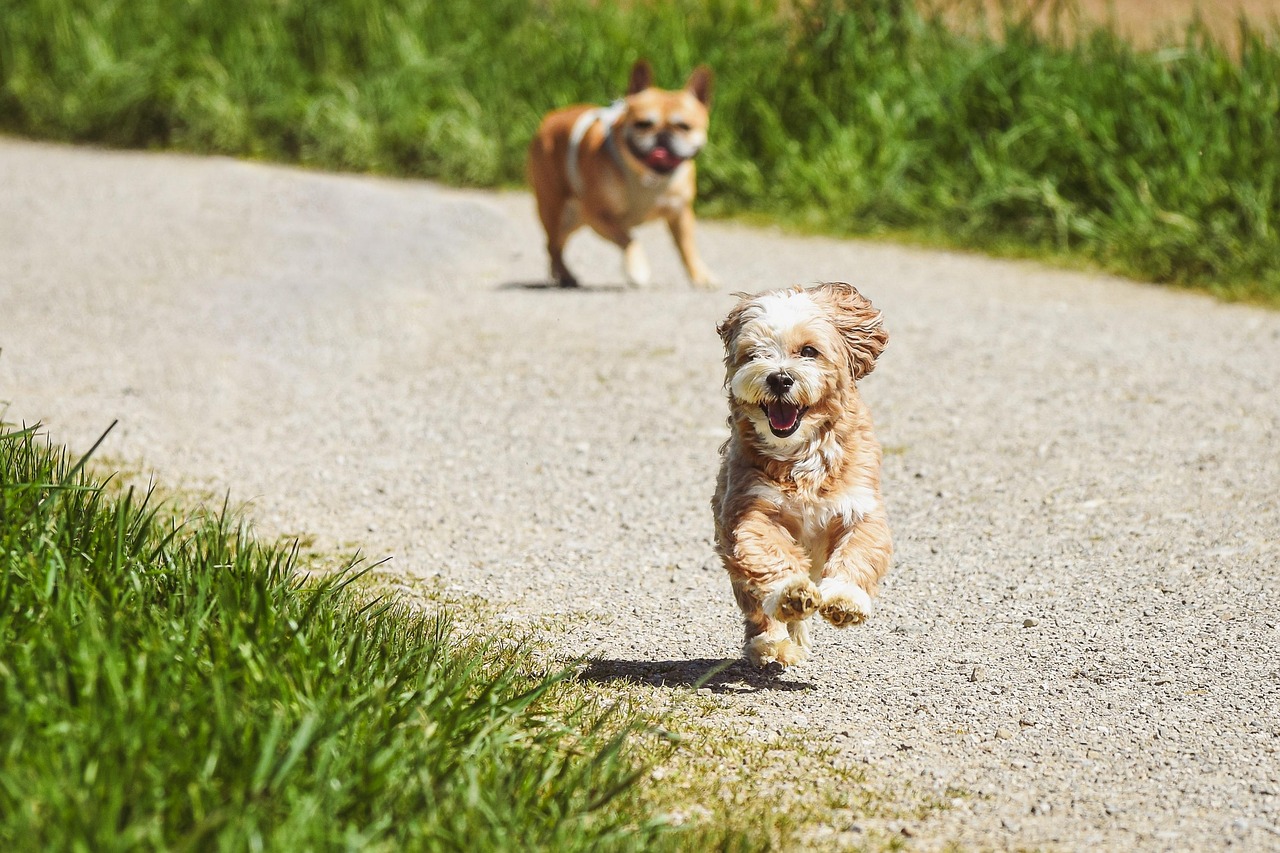

The Impact of Exercise on Socializing Dogs of Varied Energy
When socializing dogs with different energy levels, understanding their unique needs is crucial for success. Dogs exhibit various energy levels ranging from low to high, affecting their social interactions. Higher energy dogs often require more rigorous exercise to help them expend energy before engaging with peers. Insufficient exercise can lead to overexcitement and misbehavior during socialization, causing stress for both the dog and the owner. Hence, understanding the right type of exercise is essential. Activities like running, playing fetch, or visiting dog parks cater to energetic breeds. Conversely, lower energy dogs may benefit from calm walks or gentle play dates to avoid overwhelming experiences. Owners should create a balance tailored to their dog’s needs, maximizing their ability to socialize comfortably. Regular interaction with others promotes better behavior, reduces anxiety, and enables your dog to develop valuable social skills with their peers. Recognizing signs of overwhelming excitement or stress is vital for effective management, ensuring that every social encounter is positive. Tailoring exercise routines based on individual energy levels results in more effective socialization experiences for all dogs involved in these interactions.
The key to successful socialization between dogs of different energy levels often lies in determining how to balance exercise. For high-energy dogs, participating in structured play sessions can help them learn to engage appropriately with calmer companions. This structured play may include activities that challenge their minds as well as bodies. Incorporating puzzle toys along with physical tasks, such as jumping over obstacles, keeps their focus on positive outlets. Low-energy dogs, on the other hand, can benefit from gentle introductions to energetic peers, helping them feel comfortable while avoiding overwhelming situations. For example, casual group walks with high-energy dogs can help the latter adjust to calmer roles without stressing low-energy companions. Owners should carefully monitor interactions to ensure both types of dogs interact positively. Positive reinforcement can be utilized to reward desirable behaviors during playtime. Additionally, frequent interaction with diverse dog breeds and energy levels fosters adaptability and social skills. Each dog’s personality is unique, and understanding those nuances can significantly enhance their ability to socialize with others and adapt their responses based on their peers. Creating a routine and structure around playtime enhances the social learning experience for dogs of every breed and temperament.
Understanding Dog Behavior and Energy Levels
Behavioral characteristics vary considerably among dog breeds, and energy levels play a significant role in these differences. Dogs with higher exercise needs generally manifest restless and hyperactive tendencies without adequate stimulation. On the other hand, lower-energy breeds show more relaxed behaviors, settling for longer periods. Understanding these patterns is critical for dog owners as they work towards effective socialization strategies. Implementing a consistent exercise routine not only supports physical health but also enhances mental well-being. Mental stimulation, such as engaging games or training activities, can provide an excellent release for pent-up energy. Incorporating appropriate activities will help bridge the gap between varied energy levels during socialization, ensuring all dogs feel included. In this manner, owners play an integral role in health management, establishing a solid foundation for positive relationships among dogs. Moreover, observing how dogs interact during play is essential in determining if adjustments are needed in their exercise or socialization routines. Every dog is unique, and their ability to thrive in social settings largely hinges on how well owners understand their individual needs and personalities. Effective training aligned with energy needs ensures seamless socialization experiences for dogs.
It is also crucial to recognize how introducing dogs to different energy levels can enhance their adaptability. Dogs that spend time with energetic counterparts begin to exhibit more vibrant behaviors, which contributes positively to their social skills. This reciprocal learning fosters improved communication between dogs, such as signaling intent and establishing boundaries. Allowing lower-energy dogs to interact with more energetic dogs helps them become accustomed to playful exuberance, reducing anxiety over time. Conversely, high-energy dogs can learn to exhibit calmer behaviors when socializing with more laid-back individuals. Ultimately, varied interactions help develop well-rounded dogs capable of navigating diverse environments. To ensure these socialization experiences remain positive, gradual introductions can ease initial anxieties. Recognizing warning signs is vital—such as excessive barking or aggressive posturing—as they indicate stress levels. Keeping initial meet-and-greets short allows time for adjustment without overloading either party. When socialization is implemented correctly, dogs of all energy levels can develop strong bonds and cherished friendships. Animal behaviorists often stress the importance of these positive interactions, citing them as essential in shaping balanced and sociable pets capable of thriving in various settings.
The Benefits of Tailored Exercise Plans
Customizing exercise routines based on a dog’s energy level can have lasting effects on their overall behavior and temperament. For example, regular physical activities not only enhance physical stamina but also encourage positive social interactions when done right. Dogs that receive adequate exercise tend to exhibit fewer behavioral issues, allowing for more successful socialization experiences. Establishing a daily exercise regimen fosters routine, making expectations clear for dogs and their owners. Engaging activities can strengthen the bond between the pet and their owner, ensuring they work together in a positive atmosphere. High-energy dogs thrive on structure and may require specific plans that include a mix of high-intensity and low-intensity activities. For more relaxed dogs, shorter, lighter segments can be implemented gradually to reduce stress. Owners should incorporate activities that enrich the dog’s life, contributing to better mental function and emotional health. Over time, dog owners will recognize the remarkable transformations they witness in their pets. Enhanced socialization with varied energy dogs will increase comfort and reduce anxiety. These positive training experiences will support each pet’s unique journey, providing lifelong benefits to their health and happiness.
Furthermore, employing positive reinforcement techniques during exercise and social interactions can greatly influence a dog’s behavior. Reinforcement strategies, such as treats and praise, encourage dogs to respond to their environment positively. This method nurtures a trusting relationship between the owner and their dog, leading to better outcomes during socialization. Consistent practice instills good habits over time, shaping how a dog interacts with its peers. Engaging in training classes that focus on energy management provides valuable tools for both owners and their pets. Owners can then utilize these tools to improve their dogs’ social skills and build confidence, particularly for those that may feel overwhelmed. Classes may also vary in structure; hybrid approaches often integrate exercise and play with guided training exercises. Connecting with other owners in these environments creates a supportive community approach, boosting motivation and camaraderie. Various platforms now offer resources on tailored exercise and training techniques, which can also be beneficial. Emphasis on maintaining a fun atmosphere is essential throughout the process, transforming the pet-parent dynamic and fostering a lifelong love for socialization. Healthier, happier dogs make for better companions, promoting well-rounded societal behavior.
Conclusion: The Path to Better Dog Socialization
In conclusion, the impact of exercise on socializing dogs of varied energy levels cannot be overstated. Correctly identifying a dog’s energy level and tailoring exercise plans accordingly enhances their socialization experience. This not only leads to well-behaved dogs but also fosters emotional resilience, with pets feeling secure in social settings. Owners should observe and document their dog’s behavior over time, refining their approaches to meet evolving needs. Building a strong foundation of mutual understanding will support positive interactions among dogs. These efforts ultimately cultivate diverse canine communities, rich in learning opportunities. When dogs are socialized properly, they become more adaptable and wholesome pets, enriching their owners’ lives. Investing time in structured exercise routines and social engagement leads to incredible rewards for both pets and their families. Furthermore, dog owners should be encouraged to share experiences and insights, nurturing a culture of supportive care among fellow pet families. By understanding the importance of energy levels and employing tailored exercise programs, dog owners can pave the way for healthier, happier dogs. Transitioning towards a proactive approach in socialization will make a lasting difference, ultimately shaping a world filled with friendly, well-adjusted pets.
Ultimately, each owner’s commitment to their pet’s social well-being is paramount in this journey of growth. Understanding the dynamics between different energy levels is not just beneficial but essential for fostering harmonious interactions. Dog owners should embrace the journey, adapting their training methods to align with their dog’s personality and energy level. By prioritizing exercise and social engagement, they create experiences that foster friendships and reduce anxiety. As knowledge spreads among dog owners, a ripple effect occurs—better socialization leads to healthier, happier communities of dogs and their families. A well-rounded dog is one that thrives both socially and emotionally. Therefore, all pet owners should strive to provide optimal exercise, training, and social opportunities for their dogs. Over time, diligent efforts will yield positive and transformative results, creating joyful play environments for all involved. Dogs that are well-exercised become better companions, enriching their owners’ lives with joyful memories and shared experiences. Ensuring that each dog finds its place fosters a sense of belonging not only among the dogs themselves but also within the communities they thrive. In conclusion, this comprehensive approach to socialization can lead to extraordinary transformations, resulting in a happier, healthier life for each dog.