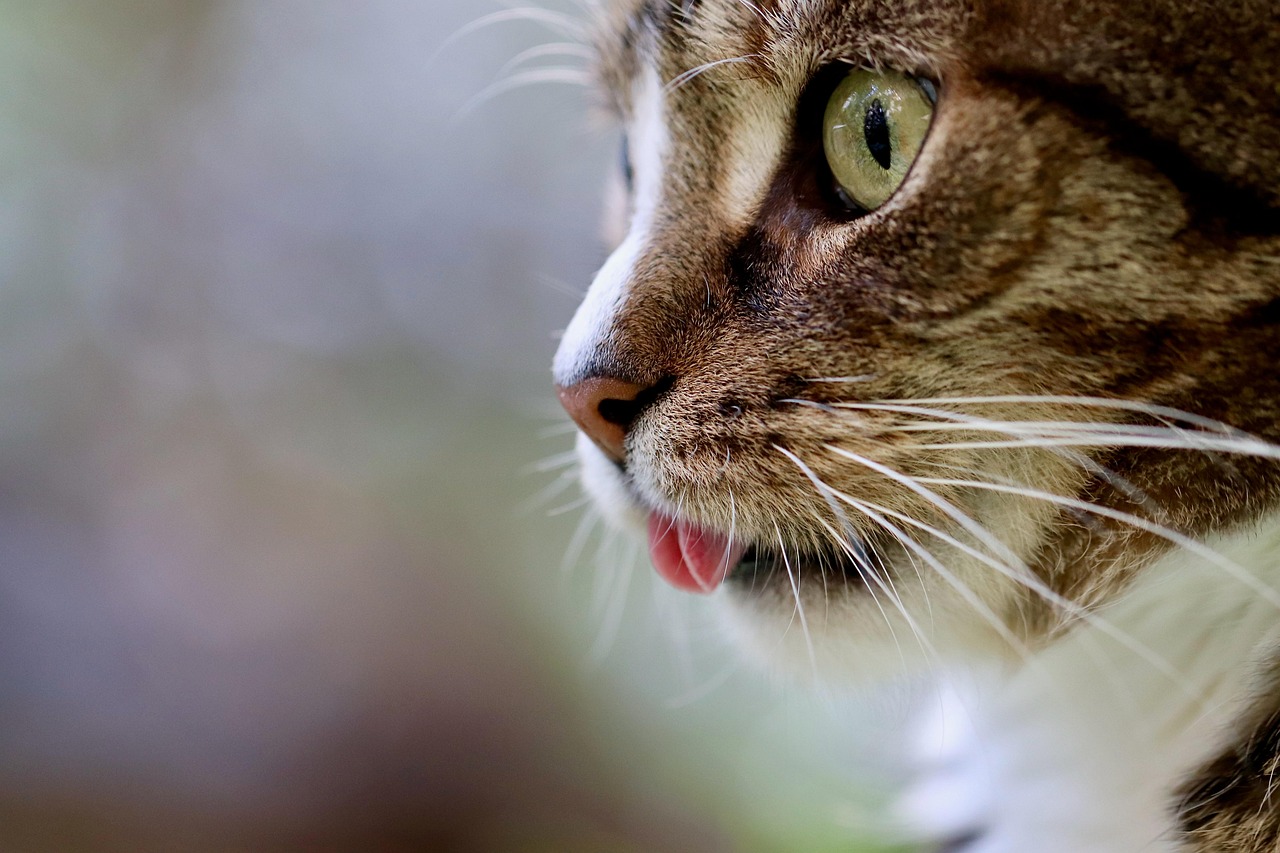

Common Mistakes in Treating Cat Digestive Problems and How to Avoid Them
When your cat experiences digestive problems, it’s crucial to approach the situation with caution and knowledge. One of the most frequent mistakes cat owners make is self-diagnosing based on internet searches or anecdotal evidence. These resources can often mislead you and may even suggest harmful treatments. Instead, always consult your veterinarian when noticing signs of distress or irregularities in your cat’s digestion. Additionally, not recognizing the severity of the situation can lead to further health complications. A common error is assuming all digestive problems are minor and will resolve on their own. Always be observant of your cat’s behavior, food intake, and litter box habits. Look for symptoms such as vomiting, diarrhea, or lethargy, and don’t delay seeking professional assistance if these occur. Another mistake is administering over-the-counter medications without veterinary advice. Many human medications can be toxic to cats, causing more harm than good. Emphasizing the importance of veterinary consultation can save you time, money, and stress in the long run. Ultimately, understanding these mistakes can equip you to provide the best care for your feline friend.
Identifying the underlying causes of digestive issues is another area where mistakes often arise. Many pet owners start treatment based on surface symptoms rather than a comprehensive diagnosis. Doing so can lead to ineffective treatments that waste time and resources. It’s vital to observe your cat’s history and behavior over time, as this data aids in pinpointing the root cause. Consult your vet about your cat’s diet, any potential stress factors, or environmental changes that may lead to these problems. Another misconception is that feeding a ‘better’ quality or more expensive food automatically resolves digestive issues. While nutrition is critical, it’s not the sole factor; the balance of ingredients and your cat’s individual needs must be assessed to create an effective diet. Many cat owners also make the mistake of introducing new foods abruptly. This can cause gastrointestinal turmoil. To ensure a smooth transition, gradually mix in new foods with the old over several days. This patience helps prevent unnecessary discomfort for your cat, illustrating that careful management is a key aspect of feline digestive health.
Overlooking Hydration in Dietary Management
Another common oversight is the importance of adequate hydration in managing your cat’s digestive health. Cats often don’t drink enough water, which can exacerbate issues like constipation or urinary tract problems. Many owners might overlook this, thinking dry food is sufficient. Transitioning to a wet food diet can significantly improve your cat’s hydration levels. If changing food isn’t feasible, consider using cat water fountains to encourage drinking. Nevertheless, the best approach is introducing daily practices that promote hydration alongside dietary management. Watch for signs of dehydration such as dry gums, lethargy, or decreased urination. Moreover, ensuring your cat has access to fresh water at all times boosts their overall health. A common mistake is neglecting to clean their water bowl regularly. Bacteria can easily thrive in stagnant water, leading to health risks. Regularly updating the water and cleaning the bowl can prevent this. Lastly, offering ice cubes or adding a little tuna water can motivate your cat to drink more. Achieving a balance of hydration and nutrition is vital in treating your cat’s digestive problems effectively.
Stress management is another area pet owners sometimes neglect when dealing with their cat’s digestive issues. Cats are incredibly sensitive creatures, and external factors like changes in environment, new pets, or loud noises can impact their gut health. Not recognizing these stressors can lead to ongoing digestive problems that might otherwise resolve with proper attention. Developing a calm and consistent routine for your cat can help minimize stress. Create a designated area where your cat feels safe and can retreat when they feel overwhelmed. Additionally, understanding the importance of play and enrichment can divert your cat’s focus from anxiety-inducing situations. Activities like interactive play or puzzle feeders stimulate your cat’s mind and offer encouragement, promoting a balanced emotional state. It’s also essential to learn how to read your cat’s body language. Observing when your cat shows signs of stress enables you to take proactive measures to alleviate their anxiety. Understanding and mitigating stress is a crucial facet of addressing your cat’s digestive health, showing how interconnected behavior and physical health truly are.
The Role of Routine Veterinary Check-ups
Routine veterinary check-ups are an essential element of maintaining your cat’s digestive health, yet many owners often overlook their importance. Ignoring the need for regular visits can lead to undiagnosed health problems that become significant over time. During these check-ups, your vet can identify potential risks and monitor your cat’s body condition, weight, and overall health. Moreover, vaccinations and preventive care are vital to keeping digestive infections at bay. Many cat owners mistakenly think that if their cat appears healthy, they don’t need to visit the vet. This overlooks potential latent issues that may not yet exhibit symptoms. Additionally, proper dental care is crucial; poor oral health can contribute to digestive issues. Assess your cat’s dental health regularly and incorporate vet-recommended dental treats. Regular check-ups also allow you to discuss specific concerns about your cat’s diet or digestion. Being proactive can save you from emergency visits later. In summary, incorporating routine veterinary visits into your cat’s care plan fosters long-term health and decreases the likelihood of severe digestive ailments.
Another critical aspect often underestimated in treating digestive problems is keeping a record of your cat’s health and dietary habits. Mistakes happen when changes go unnoticed, which can help in establishing patterns or identifying triggers. Instead of relying solely on your memory, consider maintaining a health diary or using an app to track details such as food preferences, litter box behavior, and any episodes of vomiting or diarrhea. This documentation proves invaluable during veterinary consultations and can aid in forming a comprehensive history. Furthermore, tracking an elimination diet when making dietary changes helps identify any food allergies or intolerances. Many cat owners often forget to consult their vet after implementing home treatments. This adjustment period can reveal if the approach is helping or worsening their cat’s condition. Additionally, some owners may hesitate to discuss any new over-the-counter remedies they’ve tried. Open dialogue with your vet is essential. Ultimately, creating a detailed account of your cat’s health enables effective treatments and proactive care, fostering a healthier digestive system overall.
Final Thoughts on Digestive Care
In conclusion, addressing common mistakes in treating cat digestive problems is essential for their overall health. By emphasizing the importance of proper veterinary consultation, understanding the root causes of issues, and managing hydration, you increase your chances of assisting your kitty effectively. Never underestimate the role of environment and stress in your cat’s health, either; learning how to create calming surroundings can make a difference. Keeping accurate health records aids both you and your veterinarian in diagnosing problems. Additionally, never ignore the essential nature of regular vet visits. Frequent assessments provide an opportunity to catch potential problems before they escalate. Throughout this process, remember to adopt a patient and compassionate approach. Your cat’s welfare depends on the care and attention you provide. The road to digestive health can be long and requires constant monitoring and adaptation to your cat’s needs. Prioritizing these aspects benefits not only your cat’s digestive system but their overall quality of life. Understanding these principles will empower you as a cat owner, ultimately enabling you to foster a happier, healthier feline companion.
Always seek to educate yourself about the various digestive challenges cats may face and consult licensed professionals regarding your cat’s health history and treatments. This commitment not only underscores your role as a pet parent but also enhances trust and communication with your veterinarian. Monitoring responses to changes and new treatments is also crucial in understanding your cat’s health. Taking proactive steps to ensure a balanced approach to your cat’s digestive care will yield a wealth of benefits for your furry friend.