
Essential First Aid Kit Items for Dogs
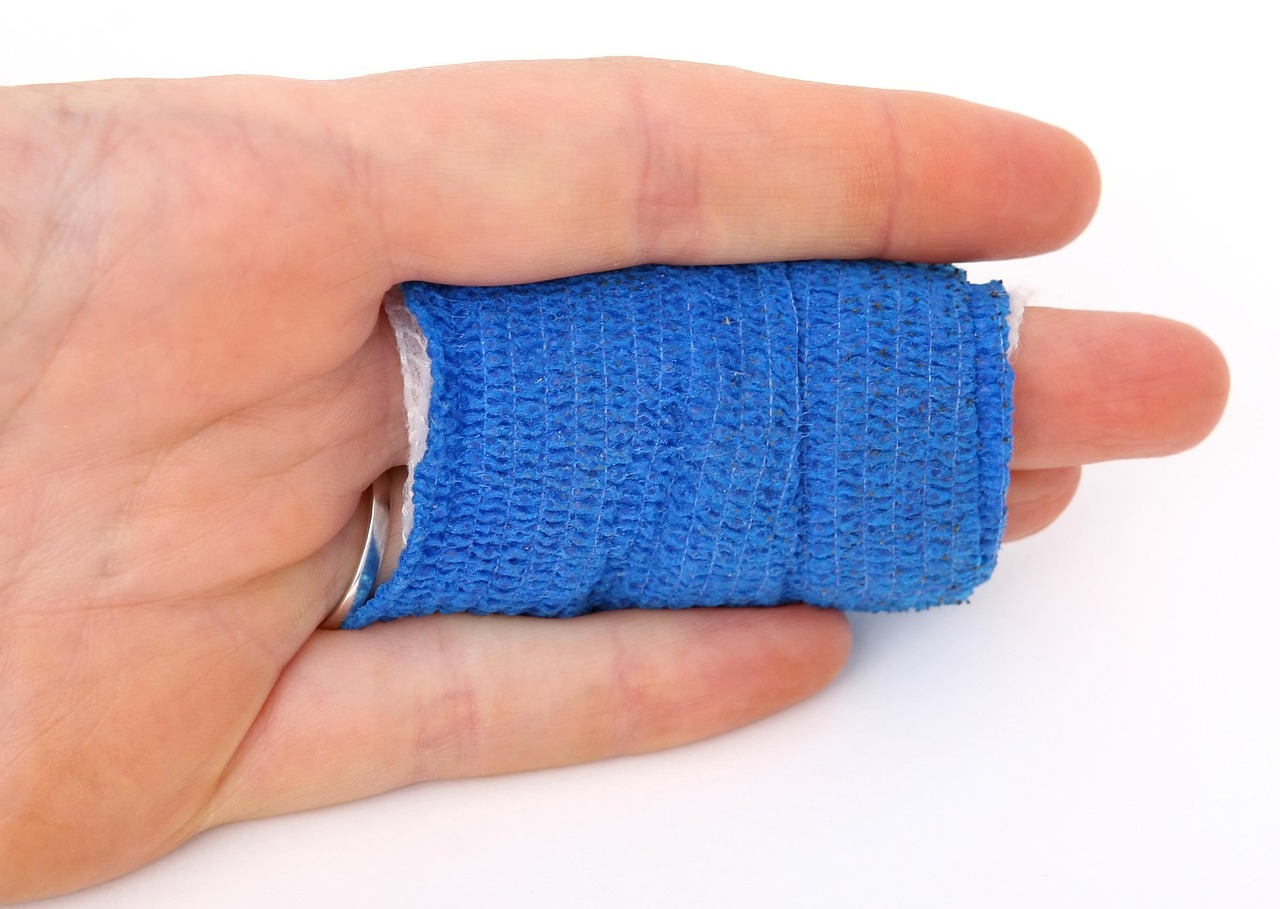
The well-being of your canine companion is paramount, especially in emergency situations. Preparing a dog first aid kit is crucial for every pet owner. Every kit should ideally include various items to address a range of potential health issues that could arise. Understanding each item’s purpose helps ensure your dog receives the right care when needed most. Start with basic supplies like gauze pads and adhesive tape for bandaging wounds. Sterile wipes are essential for cleaning injuries and preventing infections. Additionally, include cotton balls and swabs for various applications like cleaning ears or applying ointments. A reliable pet thermometer should also be in your kit; it enables you to check your dog’s temperature when they show signs of illness. Include a pair of scissors for cutting tape or gauze, ensuring they’re sharp and easily accessible. Don’t forget to add tweezers, as they are excellent for removing splinters or ticks. This kit not only aids in minor emergencies but can be a lifesaver in serious situations where quick action is necessary.
Creating a comprehensive first aid kit means including essential medications for your dog. Common medications that might be beneficial include antihistamines for allergic reactions, as well as activated charcoal for accidental poison ingestion. Always consult your veterinarian before including any over-the-counter drugs in your first aid kit to ensure safety and proper dosage. Along with medications, consider adding a saline solution to flush out wounds or irritants from your dog’s eyes. This is particularly helpful in case of foreign object injuries or exposure to substances that can cause irritation. You might also want to include a muzzle, as it can be vital in stressful situations when a dog may react defensively due to pain or anxiety. A small flashlight can be an invaluable tool when assessing injuries in low-light conditions or during nighttime emergencies. Having a guidebook on canine first aid will also enhance your preparedness for any mishaps. Familiarizing yourself with possible situations and understanding the best course of action can significantly impact the outcomes of emergencies.
Specific Tools for First Aid
Equipping your dog’s first aid kit with specific tools enhances your ability to handle emergencies proficiently. A digital thermometer allows precise temperature readings, which is critical in assessing your dog’s health. Make sure to check the thermometer’s battery frequently to ensure it’s functioning properly when you need it. Additionally, include a stethoscope; if you’re trained, this tool can help monitor your pet’s heartbeat. A set of sterile scissors is essential for cutting bandages or clothing if needed. Choose scissors with rounded tips for added safety, especially if your dog is anxious or fidgety during treatment. Incorporating a pet first aid manual within the kit will provide guidance on handling various situations effectively, ensuring you are prepared for any emergency that may arise. Adhesive bandages in various sizes are also important for minor injuries to help protect wounds from further irritation. Depending on your dog’s size and activity level, more extensive supplies, like a splint or elastic bandages, might also be advantageous for fracture support or sprains.
Another critical component of a dog first aid kit is a first aid guide specifically for pets. This educational resource can provide immediate instructions and insights into specific situations, such as choking or seizure responses. Familiarizing yourself with the guide can boost your confidence during tense moments. A first aid guide also includes dosage information for any medications you consider using. An emergency contact list with your veterinarian’s phone number, local animal hospital, and pet poison control is vital during emergencies. Moreover, including a piece of your dog’s health information can also be helpful for emergency responders. Make sure to keep documented information in a waterproof bag to protect it from potential water damage during emergencies. In case of serious injuries, your vet will need quick access to your dog’s medical history and any allergies they might have. A soft muzzle is another important tool to avoid injury during emergencies when your dog is in pain. Always ensure you know how to use a muzzle correctly to avoid causing any more stress to your pet during an emergency.
Maintaining Your Dog First Aid Kit
Regular maintenance of your dog first aid kit is essential to ensure preparedness in emergencies. Periodically check all items in the kit for expiration dates, as many medications and supplies have limited shelf lives. Replace any expired items promptly to avoid complications in urgent situations. Moreover, revisit the contents of your kit after significant changes in your dog’s health, age, or lifestyle. Puppies may require different supplies compared to mature dogs; adjust accordingly to cater to their specific needs. Additionally, if you frequently travel with your pet, ensure your first aid kit is updated to suit various environments. Keeping the kit in a safe, accessible location will enable quick access during emergencies. When packing your kit, consider incorporating some comforting items for your dog. Something familiar, like a favorite toy or blanket, can reassure your pet and help mitigate stress during crisis scenarios. Organizing the kit neatly, perhaps with labeled compartments for each item, contributes to a faster response during emergencies when time is critical.
Understanding how to utilize each item in your dog first aid kit is as crucial as having the items available. Arrange a first aid training session focused on pets to enhance your readiness for emergencies. Many organizations offer courses specifically designed for pet owners, explaining how to respond effectively to various situations, ensuring that any measures you take are both safe and effective. Possibly consider also practicing CPR techniques designed for dogs. Knowing how to perform cardiopulmonary resuscitation on your pet can be life-saving when there’s no time to wait for professional help. Following along with available training resources will allow you to feel more relaxed during an emergency. Moreover, enhance your reactions by practicing common first aid scenarios with your family or housemates to ensure coordinated assistance when dealing with an incident. Make sure everyone knows how to use your dog first aid kit and what information they need to provide to veterinarians in emergencies. Having these skills equips you to handle unexpected situations more confidently and contributes to your dog’s safety and overall well-being.
Conclusion
A well-prepared first aid kit is essential to ensure your dog’s safety and health during emergencies. It provides peace of mind for pet owners knowing they can respond effectively at critical moments. Equipping yourself with the right tools, medications, and knowledge significantly helps in handling unexpected situations. Regularly maintaining the kit’s contents ensures everything is up-to-date and ready when needed the most. Be proactive about understanding first aid techniques and familiarizing yourself with the items in your kit, as they can make a lasting difference in an emergency situation. Additionally, involving the whole family in educating about your pet’s needs will contribute to a nurturing and safe environment. As a dog owner, combining preparedness and knowledge makes you equipped to provide effective assistance when encountering any health issues. A first aid kit can help address minor injuries and can be a true lifesaver in more serious situations. By prioritizing your dog’s well-being through the appropriate use of a first aid kit, you are truly showing love and commitment to your furry friend.