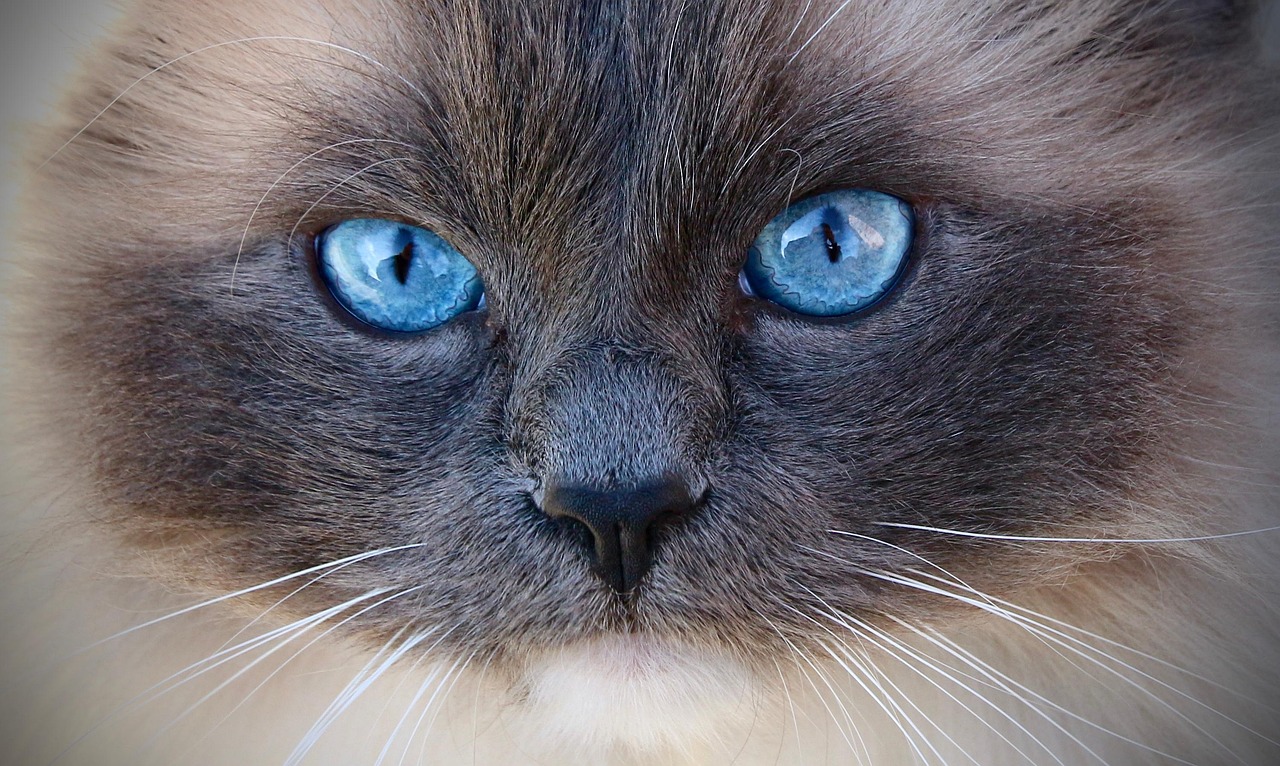

How to Care for Your Ragdoll Cat: A Complete Guide
Caring for your Ragdoll cat involves several key aspects including proper nutrition, grooming, and creating a stimulating living environment. Ragdolls are known for their affectionate nature, so it is essential to foster a loving relationship with them. Start with high-quality cat food, as Ragdolls require a balanced diet rich in proteins and essential nutrients. Be sure to consult with a veterinarian to determine the specific dietary needs of your cat based on their age, weight, and health condition. Offer fresh water daily and avoid overfeeding to prevent obesity. Regular grooming is crucial because Ragdolls have thick, long fur that can mat easily. Aim to brush your cat at least two to three times a week. This not only helps reduce shedding but also enhances the bond you have with your furry friend. Ragdolls typically enjoy being groomed due to their gentle disposition. Provide plenty of toys and interactive activities to keep them engaged and mentally stimulated. Regular playtime is important for their physical health and emotional well-being.
Health Check and Vet Visits
Another important aspect of caring for Ragdoll cats includes their health. Regular veterinary check-ups are essential to monitor their overall well-being. Routine vaccinations will protect your cat from various infectious diseases. Ragdolls are somewhat prone to certain genetic conditions such as hypertrophic cardiomyopathy, a heart-related issue. Therefore, regular heart evaluations may be necessary, especially as they get older. Your veterinarian can provide advice on how to spot potential signs of illness early on. Look for changes in behavior, eating patterns, or physical appearance as these may indicate underlying health problems. In addition, preventative care such as dental cleanings, flea, and tick prevention should be part of your routine. Monitoring your cat’s dental health is crucial, as dental diseases can lead to other health issues. You can help maintain their oral hygiene by brushing their teeth regularly and providing dental treats made specifically for cats. Fostering a comfortable environment at home is also essential for their mental well-being, as Ragdolls are known to be particularly sensitive to stress.
Creating a safe and comfortable space for your Ragdoll is also very important. These cats enjoy companionship and do best in homes where they receive plenty of affection. Provide them with cozy hiding spots, like cat trees or soft beds, to retreat when they need some quiet time. Your Ragdoll may exhibit social behaviors, such as following you around, so consider giving them areas in your home that promote exploration. Ensure that these areas are free from hazards. Be mindful of plants or small objects that may be toxic to cats, and store away any toxic cleaning supplies. Engaging in regular interactive playtime is beneficial. Use feather wands and toys that challenge their agility to keep them both entertained and fit. Ragdolls appreciate gentle play, so avoid rough handling. Make sure to rotate toys regularly to keep their interest alive. Incorporating vertical spaces like shelves or perches can encourage your cat to climb and explore, enhancing both physical activity and mental stimulation. Overall, your attention to their environment goes a long way in ensuring they feel secure and happy.
Understanding Ragdoll Behavior
Understanding your Ragdoll’s behavior is crucial for effective care. Ragdolls are known for their docile and laid-back temperament. They thrive on human interaction and may even greet you at the door when you return. These cats often seek cuddles and will curl up on your lap. However, it’s essential to respect their personal space when they retreat. If your Ragdoll displays sudden shyness or hiding behavior, it may indicate stress or discomfort. Pay attention to their body language, as it can help you gauge their mood. For example, if your Ragdoll flicks their tail, it might signal annoyance. Their vocalizations are also important; a soft meow often means they are seeking attention. To cultivate a healthy behavior pattern, ensure they have opportunities to exercise and play. This keeps them from becoming bored, which can lead to destructive behaviors. Setting a routine can be beneficial so they know when to expect playtime and feeding. Remember, each Ragdoll is unique, and understanding their individual quirks will help you form a stronger bond and provide appropriate care.
Socialization is another key component to your Ragdoll’s happiness. Given their affectionate nature, Ragdolls typically enjoy the company of both humans and other pets. Early socialization can help your cat become well-adjusted and friendly. Introduce your Ragdoll slowly to new people and pets; this allows them to acclimate without feeling overwhelmed. Hosting friends or family can be a great way to allow your cat to interact with new people in a controlled manner. Always supervise initial introductions to ensure a proper fit between your Ragdoll and any new companions. Additionally, providing them with ample play-time with other pets can significantly boost their social skills. Ragdolls are often patient and tolerant children, which makes them an excellent choice for families. However, it is essential to teach children how to interact gently and respectfully with any cat. Positive reinforcement can help encourage good behavior. Reward your Ragdoll when they engage positively with new experiences, as this reinforces that socializing is safe and enjoyable. The focus should be on creating positive associations for a fulfilling and loving environment.
Grooming Techniques for Ragdolls
When it comes to grooming your Ragdoll, consistency is key. Regular grooming helps reduce shedding and prevents mats from forming in their luxurious coats. Establish a grooming routine from a young age to help your cat become accustomed to handling. Using a gentle brush specifically designed for long-haired cats is highly effective. Always brush in the direction of hair growth to avoid discomfort. Pay special attention to areas prone to tangles, such as the underbelly and behind the ears. A wide-toothed comb can also be beneficial for tackling knots. Not only does grooming promote bonding, but it also helps you monitor your Ragdoll’s skin condition. Keep an eye out for fleas and other parasites while grooming, and consult your vet if you notice any irritations. Bathing your Ragdoll is not usually necessary, but you might consider it if they get into something particularly dirty. Use a cat-friendly shampoo and ensure they are dried thoroughly afterward. Trim their nails to prevent overgrowth, and clean their ears and teeth regularly to maintain optimal health. A grooming dedicated space may make the process more enjoyable for both of you.
Finally, providing mental stimulation is essential for your Ragdoll’s quality of life. These intelligent cats require activities that engage their mind and keep them occupied. Consider offering puzzle toys that challenge their problem-solving skills. You could also try clicker training to teach commands or tricks, which not only stimulates their mind but strengthens your bond as well. Regularly changing toys and providing new challenges will keep their environment vibrant and interesting. Interactive games like hide-and-seek can also provide much-needed exercise and mental engagement. Another great option is to invest in cat trees or shelves for climbing, as Ragdolls love to perch and observe their domain from above. Additionally, creating a safe outdoor environment is beneficial. If possible, consider leash-training your Ragdoll to explore safely outdoors or build a catio that allows them to enjoy fresh air while being protected from dangers. Remember, a mentally stimulated cat is often a happier and healthier one. Engaging your fur friend in various activities not only improves their quality of life but also enriches your relationship.
Conclusion
In conclusion, caring for a Ragdoll cat requires commitment and attention to their physical and emotional needs. By understanding their unique behaviors and preferences, you can create a loving home that promotes their health and happiness. Proper nutrition, routine veterinary care, and regular grooming play a crucial role in their overall well-being. Socialization with both humans and other pets is vital, as it ensures that your Ragdoll grows into a confident, well-adjusted companion. Creating a stimulating environment that challenges them mentally can lead to a more fulfilling life. Above all, the bond you form with your Ragdoll is what makes the experience rewarding. This gentle breed thrives on affection and companionship, so always take time to engage with them. Overall, being attentive to your Ragdoll’s needs is the key to a long and happy life. Enjoy every moment with your feline friend, and cherish the bond you both share. As you navigate the joys and challenges of cat ownership, remember that each Ragdoll has its unique personality and quirks. Tailoring your care to suit your Ragdoll’s individuality will ensure a truly rewarding experience.