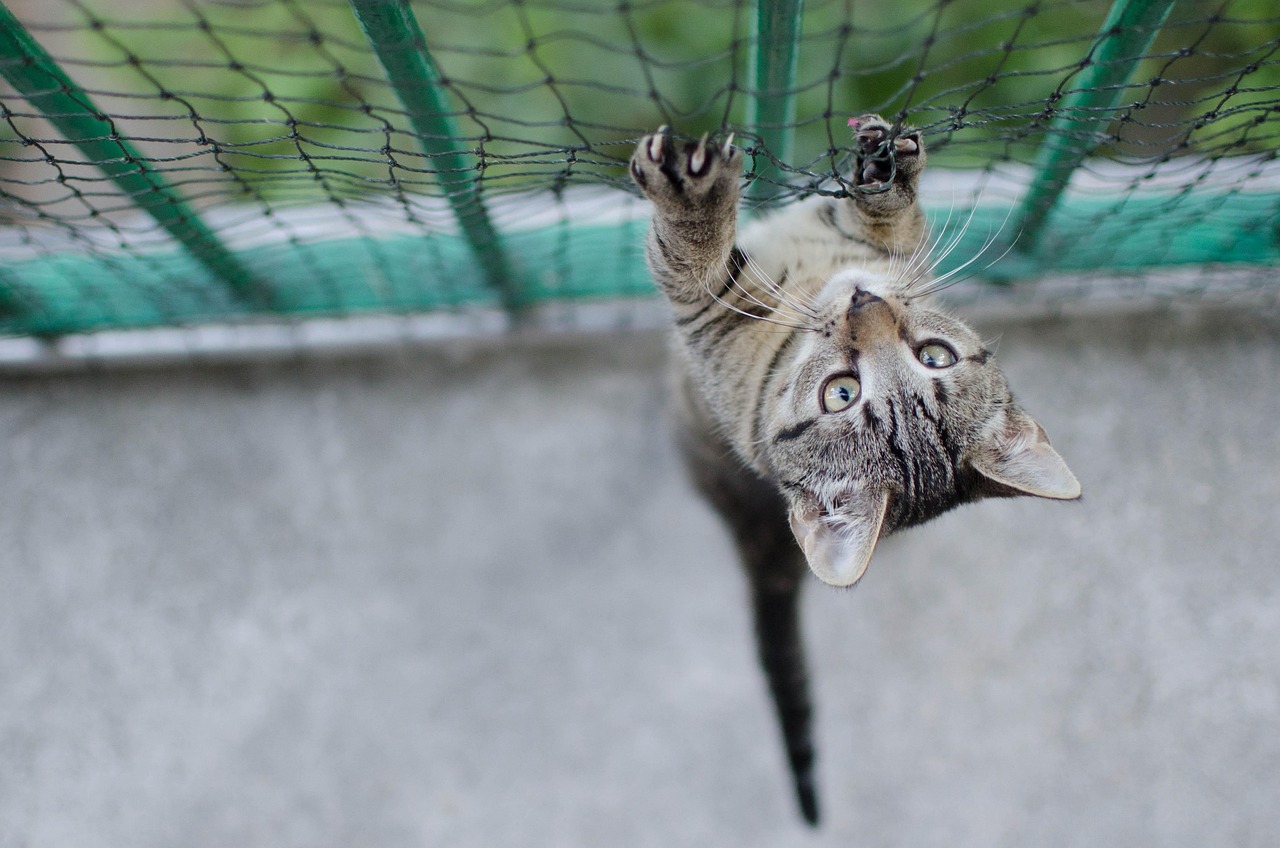

How to Handle Playful Aggression Safely Among Cats
When it comes to cat ownership, understanding feline behavior is absolutely crucial. Playful aggression is quite common among cats, especially young ones. This behavior occurs when cats engage instinctively in play that mimics hunting. It can lead to biting, pouncing, and chasing. Recognizing the signs of playful aggression is important for managing interactions. If you notice your cats becoming overly excited, begin to stalk or pounce on one another, this is a sign. Additionally, watching for vocalizations signaling excitement like meowing or chirping can help. Providing a safe environment is key in these scenarios. You might consider cat trees or play areas to facilitate their energy in a safer manner. Furthermore, observing and understanding individual personalities can make a difference. Some cats enjoy more intense play than others. Offering interactive toys can redirect this energy away from your hands and into an appropriate object. Ensure proper supervision is always present during playtime. By implementing these strategies, you’ll foster a safer and more enjoyable play date experience for your feline friends.
Another effective strategy for managing playful aggression involves understanding the importance of supervised play. Many cat owners might leave their animals to play freely, but this can lead to unexpected injuries. Establishing a controlled environment can mitigate risks significantly. During play sessions, keep your cats separate when they show signs of overwhelming excitement or aggression. Introducing catnip or feather toys can be beneficial too. These items can capture their attention, keeping their focus away from one another, thus minimizing any overly aggressive behaviors. It’s crucial to recognize when to intervene, as misjudged playful aggression can become more serious. If your cat makes a sudden jump or exhibits chattering teeth, check their body language closely. Providing breaks in play can also help diffuse tension. Encouraging short bursts of playtime followed by quiet periods allows cats to refocus. Integrating puzzle feeders might work as a distraction, leading away from roughhousing. These exercises help to challenge their minds, which can reduce aggressive instincts during casual play. Combining these techniques creates an enriched environment for your cats to thrive in while maintaining their playful side safely.
The Role of Safe Toys in Cat Playdates
Utilizing appropriate toys is pivotal in navigating playful aggression among cats. Choosing the right toys can significantly alter the dynamics during interactive play sessions. Consider purchasing soft and durable toys designed specifically for feline interaction. Toys that mimic prey, like wand toys or laser pointers, can provide ideal outlets for your cat’s natural predatory instincts. Avoid using toys that can lead to injury or have small parts that could become choking hazards. Always supervise play to ensure that no aggressive tendencies arise from either of the cats. Regularly rotate toys to maintain your cat’s engagement and curiosity. When cats grow bored with their toys, they’re more likely to demonstrate playful aggression towards one another. Additionally, introducing new toys during playdates can stimulate their interest in playtime. Soft balls or small stuffed animals encourage gentle pouncing without causing harm. Keep in mind that every cat has unique preferences, so experimentation with various toys is recommended. By emphasizing safe play through suitable toys, you’ll create a framework where both cats can socialize positively and engage in healthy, playful activities.
Next, understanding your cats’ body languages can greatly improve their playtime dynamics. Various signs communicate when a cat feels overwhelmed and uncomfortable during play. For example, a cat’s tail position indicates its mood. A raised tail often suggests confidence and excitement, whereas a low tail signalizes anxiety or fear. If claws are extended or ears are flattened backward, this indicates intimidation or aggression. Recognizing these patterns is vital in preventing injuries during playful interactions. If one cat appears distressed, it may be necessary to separate them gently until they calm down. Always strive to ensure that both cats are enjoying the experience equally. Keeping a relaxed environment signifies the importance of patience and observation during playtime interactions. By learning to interpret emotions effectively, you’ll promote a positive socialization experience between your cats. Regularly observe their responses to different stimuli, such as noise or new toys, as each reaction provides insights into their mental state. Understanding their cues can ultimately enhance the joy they derive from their playdates while ensuring a safer environment. Therefore, you’ll foster a friendly and healthy relationship among your cats.
Creating a Safe Environment for Cats
Furthermore, ensuring a safe physical space is essential in preventing playful aggression among cats. Begin by designating an area specifically for play dates that is free of hazards and distractions. Remove any breakable objects or small items that could pose choking risks. Creating a comfortable setup can help them feel secure while engaging with one another. Providing cozy spots for retreat allows cats to step away if they feel overwhelmed or need a break. Moreover, integrating vertical spaces, such as shelves or cat trees, gives cats ways to climb and observe their environment from a safe distance. These spaces can create a buffer zone during play, allowing cats to interact without feeling cornered. Keep their litter box, food, and water easily accessible but in a separate area so playtime doesn’t become stressful. Incorporate hiding spots, like boxes or tunnels, to give them places to retreat if needed. Such preventive measures ensure controlled play, which works positively for their social behavior. Overall, a well-planned environment promotes better interactions and helps develop stronger bonds among your cats.
It’s also vital to recognize the value of socialization from an early age. Introducing kittens to various stimuli and other animals helps them learn appropriate play behavior. Early experiences with different surfaces, toys, and even other cat personalities create well-adjusted cats. Ensure that kittens have adequate opportunities to engage positively with other felines, allowing for controlled, brief sessions, which can ease any future encounters. Regular interactions help foster proper social skills that mitigate aggressive tendencies later in life. Adopting a new cat can be a challenge, requiring gradual integration for them to coexist peacefully. Allow several days for both cats to recognize each other’s scents before introducing them face-to-face. Use scent-marked toys or bedding to help acclimate them without direct confrontation. If you observe aggressive behavior during introductions, try using treats or play to redirect their focus. Extending time for supervised interactions steadily will encourage harmony as they familiarize themselves with each other. In conclusion, proactive socialization leads to safer and more enjoyable interactions during playful activities among cats.
Conclusion and Future Insights
In closing, ensuring safe play dates among cats requires significant awareness and effort. Understanding the nuances of playful aggression is fundamental in ensuring a harmonious dynamic. By selecting safe toys and creating a cozy environment for both pets, you promote positive experiences. Encouraging interactive play and monitoring their socialization processes fosters healthier relationships between your cats. Always stay vigilant to their behaviors, consistently responding to stress signals, ensuring no cat feels overwhelmed. Additionally, integrating early socialization into their behaviors reduces future aggressive tendencies and prepares them for interactions. As a cat owner, one must be adaptable, altering play dynamic strategies as each cat’s personality evolves. Customizing play sessions to cater to each pet’s preferences and comfort levels creates a safe environment for everyone involved. By implementing these strategies, you’ll not only enhance their social skills but also ultimately create a stronger bond among your cherished feline friends. Stay attuned to their needs, and remember that every cat’s well-being will foster an enjoyable, playful experience that fits their natural instincts perfectly.
Engaging elderly cats in interactive play with younger ones can also yield positive results. While playful aggression is a natural behavior, veterans might respond differently. Adjusting to their pace can promote better relationships. Although elderly cats have diminished energy, providing gentle activities can invigorate them. Use hanging teasers or slow-motion chase toys allowing for ample rest between engages. Just like younger kittens, older cats also enjoy mental stimulation through light activities. Additionally, observe boundary settings as older animals often require more respect and understanding when interacting with spirited younger cats. Identifying when to step in during bouts of overexcitement can be critical in preventing injury and ensuring relaxation. Providing them their own space without hinderance from overly zealous kittens fosters comfort and harmony. It’s equally beneficial to allow them social interactions with a slow introduction to maintain mental health. Balancing activity levels requires time and patience, enabling mutual enjoyment during playdates rather than discomfort. Implementing these gentle approaches will help both age groups coexist peacefully, enriching their lives through shared experiences while maintaining safety for everyone.