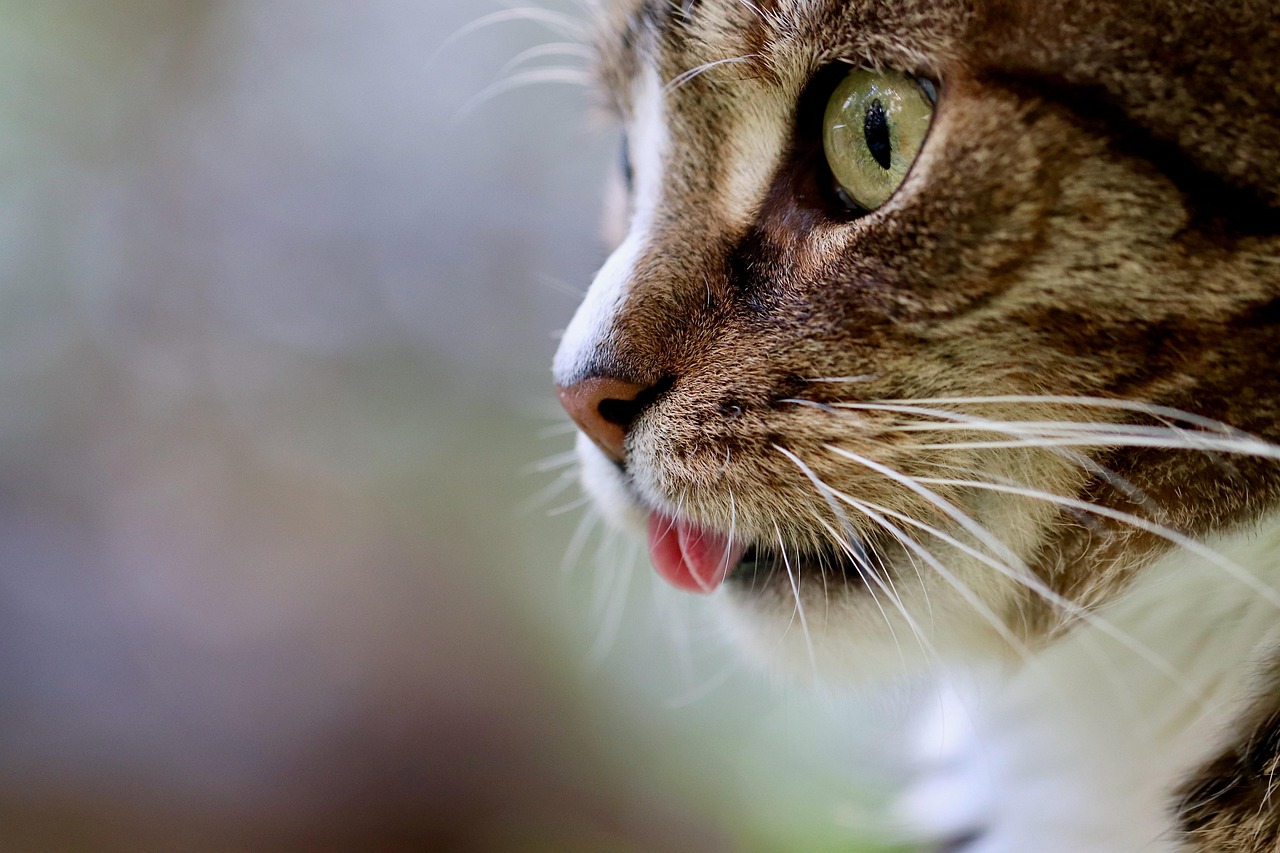

Understanding Cat Behavior: The Basics of Feline Psychology
Understanding cat behavior is fundamental to fostering a positive environment for your feline friend. Cats may display various behaviors that can sometimes be puzzling for their owners. Nonetheless, unraveling these behaviors can lead to a deeper understanding of their needs and emotions. Communication is vital in interpreting how cats express themselves. Observing their body language, vocalizations, and behaviors can provide insights into their wellbeing and temperament. Typically, if a cat raises its tail, it signifies a friendly disposition, while flattened ears may indicate discomfort or aggression. Therefore, taking time to study your cat’s unique characteristics can enhance the bond you share. Additionally, environmental factors play a significant role in their behavior patterns. For instance, a stimulating environment filled with toys can keep them mentally engaged and reduce boredom-related issues, fostering healthier behaviors. Integrating play and socialization can alleviate stress and encourage positive interactions. Ultimately, understanding cat psychology can lead to improved behavior, allowing for a more harmonious relationship between feline and human. Achieving this understanding may require patience, but the resulting connection between cat and owner can be incredibly rewarding.
The Origins of Feline Behavior
The origins of feline behavior stem from their ancestral lineage, providing a backdrop for modern-day cats. Unlike dogs, cats have retained many instincts vital for survival. Early wild cats relied on hunting to obtain food, shaping behaviors like stalking, pouncing, and grooming which persist today. Understanding these innate behaviors is crucial for owners aiming to meet their pet’s needs. For example, the pouncing action remains evident in domestic cats during playtime. Additionally, grooming not only serves a hygienic purpose but also helps cats relax and bond with their environment. Social structures in wild cat populations can influence behaviors as well. Domestic cats often replicate these patterns, exhibiting territorial or solitary tendencies. To cultivate a harmonious home, it’s essential to honor these instincts. Providing designated spaces, such as climbing structures or cozy hideouts, can mimic their natural habitat. Regular and engaging playtime allows your cat to exercise these instincts safely, reducing unwanted behavior. Ultimately, acknowledging the origins of your cat’s behavior is pivotal for promoting their happiness and health while yielding a fulfilling companionship for both.
Training a cat effectively requires understanding their unique psychology, diverging significantly from traditional dog training approaches. Cats benefit from positive reinforcement, where rewards encourage desired behaviors. This method may involve treats or praise following a successful action. Unlike dogs, which can be heavily motivated by eager want for approval, cats often respond when rewards align with their interests. To collect attention effectively, ensure that the training environment is free from distractions, allowing your feline friend to focus better. Short, engaging sessions often yield better results compared to long training exercises. Additionally, consistency is key; using the same commands or cues can lead to improved learning outcomes. It’s also important to respect your cat’s individual personality during training sessions. Some cats may be more receptive than others; hence, tailoring approaches ensures the training method caters to their temperament. For instance, shy cats may require extra gentle coaxing while bolder ones might enjoy energetic gameplay. Furthermore, observing your cat and identifying their motivations will facilitate a more tailored training experience that can be fun and rewarding for both of you, ultimately leading to better behavior and stronger bond.
Common Feline Behavioral Issues
Various behavioral issues often arise in cats, necessitating understanding and intervention. One common issue is inappropriate elimination, which can stem from stress, medical problems, or litter box aversion. Identifying the cause behind such behavior is crucial, as addressing it effectively may involve environmental adjustments or seeking veterinary advice. Another prevalent issue is scratching furniture, which serves as a natural way for cats to keep their claws healthy and mark their territory. Providing appropriate scratching posts can redirect this behavior effectively. Aggression can manifest in various forms, such as fear-induced or territorial aggression; thus, recognizing triggers can mitigate confrontations. Play aggression is also frequent, especially in young cats; owners can channel this energy through interactive play sessions. Feline anxiety can contribute to multiple behavioral concerns. Cats may feel stressed due to changes in their environment, lack of stimulation, or conflicts with other pets. Creating a suitable environment promoting relaxation by providing safe spaces or calming products can help alleviate tension. Understanding these common issues will empower owners to implement suitable solutions, leading to happier felines, enhanced wellbeing, and a more harmonious household.
To modify behavior in cats successfully, it’s essential to recognize that patience is paramount. Sudden changes can induce anxiety, resulting in regression rather than progress. When addressing training or behavioral issues, gradual modifications to their routine yield the best results. For instance, changing the feeding schedule or introducing new pet companions should occur slowly, giving your cat time to adjust. Environmental enrichment is another effective strategy; incorporating interactive play and stimulating toys fosters natural instincts, promoting positive behaviors while decreasing boredom. Providing supervision during playtime and using positive reinforcement techniques allows them to learn desired actions more effectively. Additionally, engaging in regular grooming helps alleviate stress for both cat and owner, strengthening the bond shared. Remember that recognizing your cat’s limits is essential; forcing participation may create adverse reactions. Consistently rewarding achievements, no matter how minor, will significantly benefit long-term behavior modification. Keeping training sessions short and varied maintains interest and motivation, encouraging cats to engage willingly. By fostering a supportive environment combined with positive reinforcement practices, owners can achieve notable behavior modifications, enhancing their overall experience with their beloved feline companions.
The Importance of Socialization
Socialization plays a crucial role in shaping a cat’s behavior and wellbeing. Early experiences significantly impact their ability to interact with humans and other animals. Kittens are particularly responsive during their formative months, when exposure to various stimuli helps create adaptable adult cats. Familiarizing kittens with different people, environments, and sounds provides a foundational social framework. Engaging in play with other cats fosters appropriate social behavior, helping prevent future aggression or fear issues. For adult cats, it’s never too late to engage in socialization opportunities. Gradual introductions to new environments or pets can lead to positive adjustments. Owners can help by creating safe, controlled introductions, allowing their cats to explore slowly and at their own pace. Using positive reinforcement, such as treats or praise, encourages confident behaviors. Socialized cats often exhibit less anxiety, enhanced self-esteem, and cooperative nature, making them more enjoyable companions. Furthermore, well-socialized felines typically adjust better to changes, such as relocation or new family members. By investing time in socialization, owners can nurture happier, well-adjusted pets, improving the overall quality of life for both owner and cat.
Having a deeper understanding of feline psychology and behavior modification will undoubtedly enhance the bond between cat and caregiver. Owners who recognize and respond to their cat’s needs are likely to cultivate happier, healthier environments. Adopting techniques such as enrichment, training, and socialization leads to well-adjusted pets. Utilizing this appreciation for feline behavior fosters a mutual relationship built on trust and respect. As you observe your cat, remember that their behavior also reflects their unique personalities. Approaching training with an understanding that not all felines thrive under the same methods allows you to tailor practices to suit individual personalities. Support and patience are crucial, and recognizing small victories will make the training journey enjoyable. Engaging with your cat through play, enrichment, and understanding will yield improved behavior and contribute to their overall wellbeing. Further, ongoing education about feline behavior can empower caregivers by infusing confidence, maintaining healthy and happy feline companions. Importantly, connecting with a community of fellow cat owners can provide valuable insights. Ultimately, recognizing that each cat is distinct requires an individualized approach that deepens the bond between cat and owner, enhancing the joy of companionship.