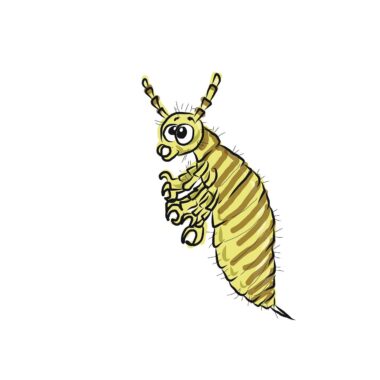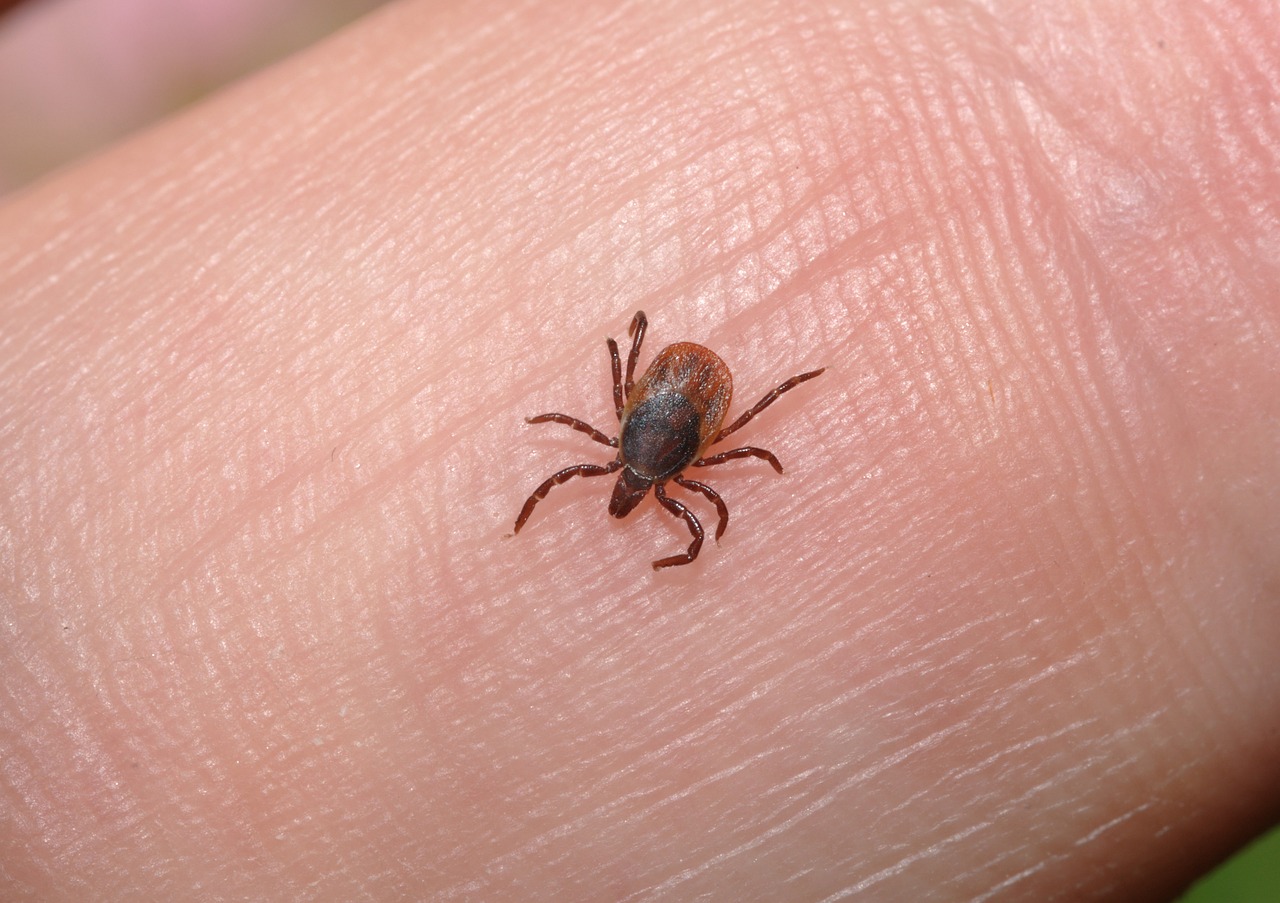

Understanding Lice Infestations in Dogs: Causes and Symptoms
Lice infestations in dogs are a common concern for pet owners, leading to discomfort and health issues for the affected canine. These infestations can arise from direct contact with infested animals, shared bedding, or grooming tools. The two significant types of lice that can infest dogs are chewing lice and sucking lice. Chewing lice feed on dead skin cells, while sucking lice attach to the skin to draw blood, causing irritation and potential infections. Understanding how these parasites invade your pet is crucial for effective prevention. Maintaining proper hygiene in your dog’s living environment is essential to minimize risks. Regularly cleaning bedding and avoiding potential contact with infested animals can significantly reduce the likelihood of lice infestations. If your dog is frequently around other dogs, consider avoiding dog parks or communal areas until you’re certain of their health status. It’s essential to monitor your dog’s behavior for any signs of irritation or distress. Identifying these symptoms early is key to effective treatment.”
The symptoms of lice infestations in dogs can range from mild to severe. Common signs include excessive scratching, biting at the skin, and visible irritation on the skin. If left untreated, the infestation can lead to hair loss and skin infections due to constant irritation. You might also notice your dog being less active or more lethargic, as the discomfort can impair their mood. In severe cases, the dog may develop anemia from blood loss caused by sucking lice. Owners should closely examine their pets, looking for adult lice or their eggs, which appear as tiny white oval spots on the fur. Inspecting areas such as the ears, neck, and belly is particularly important. Lice typically thrive in warm environments, making regular grooming practices beneficial in managing their presence. Employing a fine-toothed comb while grooming can help catch and eliminate lice before they become a larger issue. If infestation is suspected, consulting your veterinarian is advisable to confirm the diagnosis, enabling appropriate treatment. Quick action is essential in preventing further spread within your household.”
Treatment Options for Lice Infestations
Once lice infestation is confirmed, it is vital to implement treatment to relieve your dog’s discomfort. Thankfully, various effective treatment options are available to eliminate lice and provide your dog with relief. Over-the-counter topical treatments containing pyrethrin or fipronil are commonly used to treat lice. These products effectively kill adult lice and their eggs when applied correctly. Always follow the instructions carefully to ensure efficacy and safety for your pet. It is essential to treat any other dogs that may have been exposed to prevent reinfestation. Additionally, consider using a medicated shampoo specially formulated to target lice. Regularly bathing your dog as part of a comprehensive treatment plan can help reduce moisture and create an uncomfortable environment for lice. Your veterinarian can recommend the most suitable product for your dog’s specific needs and health conditions. After treatment, monitor your dog for any recurring signs of infestation. Regular grooming and maintaining cleanliness in your dog’s environment can significantly contribute to long-term success in lice prevention.”
In addition to topical treatments and shampoos, oral medications may also be prescribed by your veterinarian to combat severe infestations. These medications can provide a systemic approach to eliminating lice from a dog’s system. Combining oral and topical treatments maximizes effectiveness, so careful adherence to your veterinarian’s instructions can lead to quick improvements in your pet’s health. Ensure to discuss any other health issues your dog may have, as certain medications may not be suitable for all dogs. Always keep your dog’s vaccinations up-to-date, as a healthy immune system can help them recover better from infestations. After treatment is complete, it’s crucial to continue monitoring your dog’s health to catch any potential recurrence of lice or other parasites early. Maintaining a proactive approach by grooming regularly and keeping your dog’s living spaces clean can further minimize risks for lice infestations. Consistent care and attention to your dog’s needs play an essential role in ensuring their well-being. If you have any concerns, don’t hesitate to reach out to a veterinarian for advice tailored to your dog’s unique situation.”
Preventative Measures for Lice Infestations
Preventing lice infestations in dogs is essential to maintaining their overall health. One of the most effective prevention strategies is regular grooming, which helps identify lice or their eggs before they cause issues. During grooming sessions, use a fine-toothed comb to check for signs of lice, focusing on areas where they are likely to reside. Another important aspect of prevention involves keeping your dog’s living environment clean. Wash bedding, soft toys, and any other items your dog frequently uses in hot water to eliminate potential lice and eggs. Limiting your dog’s exposure to unknown or potentially infected pets can also decrease the risk of infestation. Avoiding dog parks or places where dogs congregate until you are confident in their health status is advisable. Regular veterinary check-ups can ensure that your dog receives proper preventive treatments, reducing the likelihood of lice and other parasites. Hydration and nutrition also play crucial roles in your dog’s overall health, supporting a robust immune system capable of fighting off infestations. Focus on these preventative measures for the best outcomes.”
Once you have identified and treated lice infestations, understanding their lifecycle can enhance your preventative strategies. Lice reproduce quickly, with females laying dozens of eggs, known as nits, which attach to the hair shafts. These nits hatch into nymphs, which then mature into adult lice within a week. As a result, it’s crucial to implement a comprehensive treatment plan and strictly monitor your dog throughout the treatment process. After successfully treating lice, clean your dog’s living space meticulously to eliminate any remaining eggs. Use hot water for washing bed linens, and vacuum thoroughly to remove hairs and debris that may harbor lice. Professional cleaning services are an option for thorough cleaning if the infestation was severe. In ongoing prevention, maintain your dog’s health through a balanced diet and regular exercise to keep their skin and coat in the best possible condition. Remember that a healthy pet is less likely to be affected by pests. Pet owners should remain vigilant and be prepared to act promptly should signs of lice reappear, safeguarding their furry companions.”
Conclusion
Understanding and addressing lice infestations in dogs is vital for their health and happiness. By recognizing the signs and symptoms early, implementing appropriate treatments, and practicing preventative measures, you can significantly reduce the risk of future infestations. Regular grooming, maintaining cleanliness, and consulting your veterinarian for advice are key components of effective parasite management. The emotional and physical well-being of your dog depends on your awareness and responsiveness to their needs. Remember to check your dog’s coat regularly and keep a watchful eye out for any behavioral changes that may indicate distress or discomfort. Investing time into your dog’s care and seeking professional assistance when necessary ensures a healthy, happy pet. As responsible pet owners, we must be proactive in our approach to parasite control. Maintaining a loving and attentive environment can help your dog thrive. Together, you and your canine companion can enjoy a life free from the worry of lice infestations, making every day a great adventure. Take charge today and enhance your dog’s quality of life with diligent care and proper measures against lice.”
In conclusion, lice infestations, while seemingly minor, can result in significant discomfort for dogs if not treated promptly. It’s a pet owner’s responsibility to stay vigilant and well-informed about potential parasites threatening their dogs’ health. Understanding the lifecycle of lice empowers you to implement preventative strategies effectively. By ensuring regular consultations with your veterinarian and employing suitable treatments, maintaining your dog’s overall health contributes to a strong line of defense. Regular grooming sessions help catch potential infestations early, fostering a strong bond between owner and dog. Employing thorough cleaning practices in your dog’s living environment can significantly reduce the likelihood of lice infestation. Always be prepared to tackle any health issues your dog may face by familiarizing yourself with their unique needs and characteristics. With an active approach toward lice management, you can enjoy countless adventures with your furry friend, ensuring they live a fulfilling life. Your commitment is crucial in preventing lice infestations and assisting your dog in remaining vibrant and joyful. Awareness and education are powerful tools for pet owners in maintaining their pets’ health, so stay informed for the best outcomes.