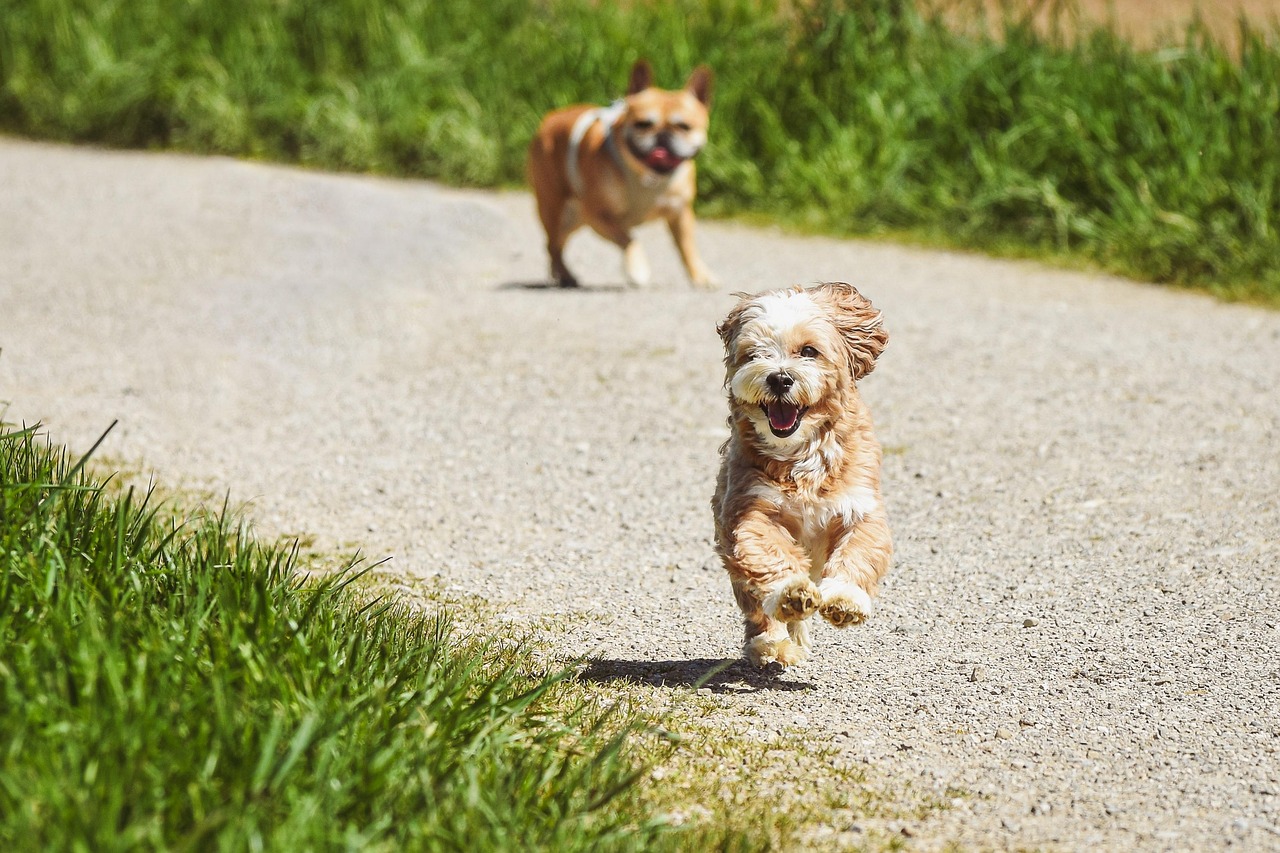

Common Behavioral Signs That Indicate Your Dog Needs More Physical Activity
Recognizing when your dog needs more exercise can greatly improve their wellbeing. Dogs that are not physically active may display various behaviors indicating the need for more engagement. One key sign is excessive barking. Dogs may bark excessively out of boredom or excess energy that needs to be released. If you notice this behavior, it might be time for an extended walk, playtime, or some mental stimulation. Chewing on furniture or household items can also indicate a need for more activity. This destructive behavior typically occurs when a dog is left alone and lacks proper stimulation. Another behavior to watch for is hyperactivity, which includes racing around the house or yard without purpose. Engaging in physical activity or playing games can help alleviate this energy. Additionally, if your dog constantly follows you around the house, they might be seeking something to do. Dogs require daily exercise to remain calm and happy. Thus, routine walks, play sessions, or participation in dog sports are great ways to ensure your dog stays physically fit and mentally engaged. Creating a balanced routine is essential for your dog’s overall health and happiness.
Another clear indication that your dog is not getting enough exercise is their weight gain. Obesity in dogs is often linked to a lack of physical activity. If you notice your pet gaining weight, it is vital to evaluate their daily exercise routines. Regular activity can aid in maintaining a healthy weight and prevent various health issues. Signs of depression or low energy in dogs can also suggest inadequate exercise. A lethargic dog may show little interest in engaging with family members, toys, or outdoor activities. Furthermore, a dog that suddenly shows signs of aggression might actually be seeking an outlet for their pent-up energy. Dogs need physical and mental outlets to express their energy in positive ways. A lack of exercise could lead to frustration and unhealthy behaviors. Redirecting this energy through regular walks, playing fetch, or visiting dog parks can help. Additionally, dogs that seem to frequently explore your living space may be bored. A well-exercised dog is less likely to engage in unwanted behaviors, becoming more balanced. Each dog has different needs, and understanding their requirements is crucial for keeping them happy and healthy.
Signs of Insufficient Activity
Monitoring your dog’s behavior can help identify insufficient activity levels. One notable sign to watch for is a dog that exhibits changes in their sleeping patterns. If your dog seems to be sleeping excessively, it may indicate boredom or lack of stimulation due to insufficient activity. Another behavioral sign pointing to an exercise deficit is excessive digging. Dogs may dig out of frustration or boredom, highlighting the need for mental and physical engagement. Furthermore, dogs that seem disinterested in their usual activities, such as play or walks, may be signaling they need more stimulation and exercise. Engaging them in physical activities helps rejuvenate their interest in play. Also, observing your dog’s play intensity can be revealing. If they seem less enthusiastic about their favorite games or toys, it may indicate they require more physical interaction. Playtime is vital for a dog’s mental and physical health. Incorporating varied activities, including outdoor play, fetch, and training exercises, can enhance your dog’s quality of life significantly. Therefore, it’s essential to be mindful of these signs and adjust their activities accordingly to ensure they remain active and healthy.
Lack of exercise can also lead to separation anxiety in dogs. This is especially true for dogs that are high-energy breeds. If left alone for extended periods without adequate exercise, they may become anxious and displaying symptoms like whining or destructive behavior. Ensuring your dog is well-exercised before leaving them alone can alleviate anxiety and contribute positively to their mental state. Additionally, if your dog starts showing signs of aggression towards other dogs or people, it might stem from pent-up energy and frustration. Regular interactions and exercise sessions can help mitigate aggressive tendencies while enhancing social skills. A properly exercised dog is often more social and friendly. If you observe your dog acting clingy or overly dependent, they may not be getting sufficient outdoor time. Spending time outside helps dogs develop confidence. Incorporating playdates with other dogs or engaging in group training sessions can also benefit their wellbeing. Ensure you provide your dog with an appropriate amount of physical and mental stimulation through structured exercise routines, such as hiking, or playing fetch. By varying their activities, you create an enriching environment that fosters a well-adjusted, happy dog.
Building a Routine for Exercise
To address the exercise needs of your dog, establishing a consistent routine is vital. Create a scheduled plan that includes daily activities to keep your dog physically stimulated. Begin with regular walks at least twice a day, allowing time for sniffing and exploration. Incorporating training sessions into the routine not only provides exercise but also reinforces good behavior. Engaging in agility training, fetch, or even swimming can effectively burn energy as well. Do not forget the importance of play and interaction. Use toys that encourage physical movement, such as balls or frisbees, during playtime, which will promote them to engage actively. Rotating toys can also prevent boredom and maintain interest. Additionally, consider joining local dog groups or classes focused on exercise, which can provide socialization opportunities. Diverse activities are critical in preventing your dog from becoming bored or disinterested. If you have a busy schedule, consider enlisting a dog walker or pet sitter to ensure exercise remains a priority in your dog’s routine. Remember that keeping your dog physically active promotes overall health, improves behavior, and strengthens the bond between you and your furry friend.
It is also essential to ensure that the activities you provide for your dog are tailored to their breed characteristics and individual needs. Some dogs are natural runners, while others might prefer to engage in lower-intensity activities. Understanding your dog’s energy level is crucial in designing a suitable exercise regimen. This way, you can prevent overexertion or injury, especially in older dogs or those with health considerations. Be mindful to incorporate warm-up and cool-down activities during exercise sessions. These steps help prepare your dog’s body for physical activity while preventing injuries. Providing variety in your dog’s routine is crucial for keeping them engaged and motivated. Mix up the locations of walks or try out different dog parks. You might also consider structured games such as tug-of-war or hide-and-seek to stimulate their minds and bodies. Collaborate with a veterinarian when formulating an exercise plan, ensuring it aligns safely with your dog’s physical capabilities. Paying attention to your dog’s cues will work wonders in building a happy, healthy lifestyle. A well-exercised dog will lead to a joyous, satisfying companionship.
Conclusion and Further Considerations
In conclusion, recognizing when your dog requires more exercise is crucial for their overall wellbeing and happiness. By paying attention to behavioral changes and addressing needs promptly, you help prevent potential health issues. Embracing structure in activities, being consistent, and tailoring exercise plans according to your dog’s unique characteristics enhance both their physical and mental health. As dog owners, it is essential to engage actively with our pets, transforming daily routines into enjoyable experiences. You may also consider exploring new activities such as dog sports, hiking, or canine fitness classes to diversify their physical engagements. Remember that your dog thrives with both physical activity and mental stimulation. They need your companionship and participation to stay healthy and happy. Keep an open line of communication with your veterinarian to monitor your dog’s health and adapt their exercise regimen as needed. Ultimately, a well-balanced lifestyle filled with regular exercise fosters a deeper bond between you and your pet, creating cherished memories. Always observe your dog’s responses to ensure they are happy and energized. The joy of a healthy dog brings immeasurable benefits to the entire household.
Being proactive in your dog’s exercise routine can lead to a happier life for them and a calmer experience for you. Engaging in activities together not only keeps them fit but enhances the companionship you share. A dog that gets enough exercise tends to react positively in various situations, significantly reducing stress levels for both you and your pet. Every interaction is an opportunity to strengthen your relationship. By being attentive to their needs, you’re paving the way for a healthy lifestyle that encourages better behavior, increased happiness, and well-adjusted pets. Making exercise a priority in your dog’s life ensures a fulfilling and thriving companionship. Always remember, every dog is unique, and their exercise requirements will vary based on age, breed, and individual personalities. Therefore, adapt your approach and keep their specific needs in mind. Committing to an active lifestyle for your dog will undoubtedly bring countless rewards. Watch your furry friend flourish with physical activity incorporated into their daily life, knowing this is a vital key to their happiness. Ultimately, the joy in seeing your pet thrive is unrivaled and creates lasting memories for you both.