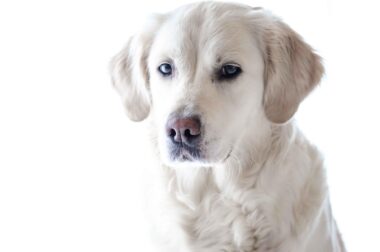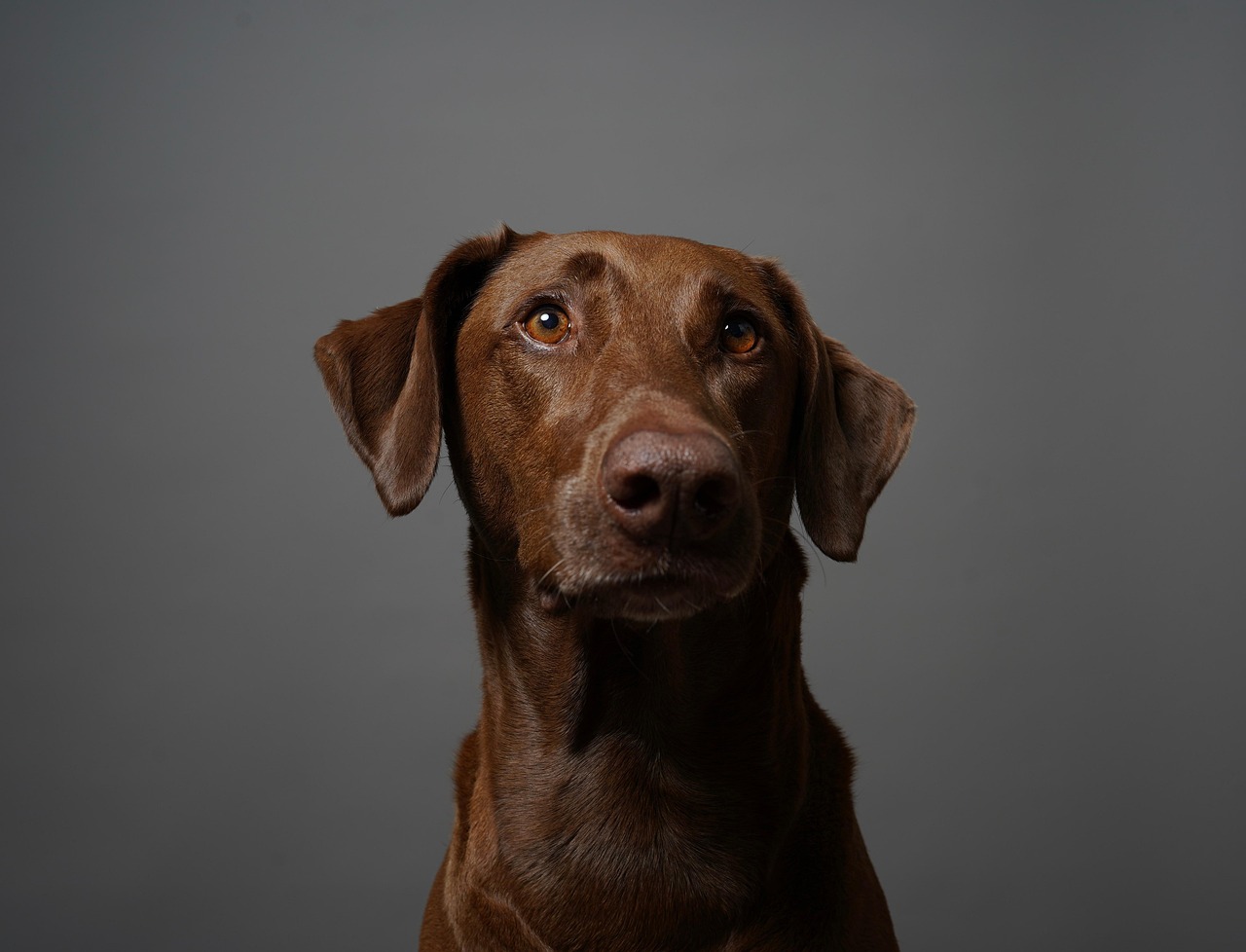

Editing Tips to Enhance Posed Dog Photographs
When it comes to dog photography, a significant part of the appeal lies in the final edits. Dogs have unique personalities, which can shine through with effective editing techniques. Begin by using software like Adobe Lightroom or Photoshop to adjust the brightness and contrast of your images. By enhancing these settings, you can bring out the dog’s fur texture and the vibrant color of their eyes. Another essential step is cropping. Removing distracting elements from the image allows the dog’s pose to stand out. Straightening the horizon line can also enhance the photograph’s professionalism. You might consider using presets to save time. Presets can quickly adjust multiple settings at once, making your workflow much faster. Additionally, focus on sharpening to bring more detail into the dog’s eyes and fur. Be cautious not to overdo it, as this can create a harsh look. Always keep in mind that the goal is to maintain the pet’s natural beauty. Find a consistent editing style that resonates with your overall portfolio. This consistency will make your photography recognizable and appealing to viewers, showcasing your unique flair.
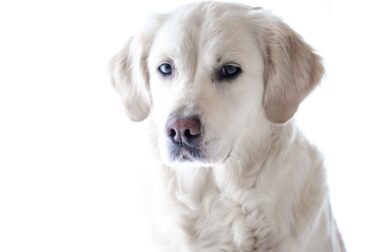
Next, consider adjusting the color balance based on the dog’s fur colors. For example, if your dog’s fur is light, you may want to decrease the yellow tones in post-processing to ensure they stand out against the background. Experiment with hue and saturation changes for more vibrant colors. When shooting outdoors, the natural lighting can significantly affect the color palette of your images. If you find your photos lack the vibrance you hoped for, invert this by increasing the vibrance and decreasing saturation slightly. This will ensure that natural colors remain appealing without looking artificial. Light adjustments can further enhance the feeling of depth in your photos. Layers can be particularly effective for this as they let you make specific adjustments without altering the entire image. Remember to look at your editing process like an artist would. Each step is crucial to creating the final piece. Lastly, always compare your before and after shots to gauge your improvements and refine your techniques continually. Ultimately, practicing these adjustments will enhance your skills and bring the joy of dog photography to the next level.
Utilizing Filters and Effects
Filtration can truly elevate your posed dog photographs. Applying filters can impart a unique style or mood, making your work stand out. Start by selecting subtle filters that enhance rather than overpower the photograph. A lightly applied vignette can draw attention to the dog’s face, isolating it from the background. Many editing programs come with built-in filters allowing easy application and adjustment. Ensure that any effect you apply complements the pet’s natural appearance and doesn’t compromise the authenticity of the photo. Overlay textures could add an artistic touch; for example, incorporating soft bokeh may add elegance to your shot. However, always keep the focus clear on the dog rather than overwhelming the frame. Adding a slight blur to the background can also help emphasize the canine pose, making them the center of attention. As you practice, observe the balance of filters and effects with the underlying content of the image. Each adjustment should work harmoniously while still letting the dog’s personality shine through, keeping the images true to life yet artistically pleasing for viewers.
Next, consider the use of backgrounds and overlays. Depending on the setting of your photos, you might need to change or enhance the background to better fit the pose of the dog. A clean, blurred background can help the dog stand out, while textured backgrounds can add depth. Use gradient overlays to introduce a soft color wash or lighting effects, enhancing the time of day depicted in your photograph. Adjusting the exposure and shadow levels can also confirm the desired atmosphere is echoed. Consider how the background interacts with the dog’s aesthetic, ensuring it complements rather than distracts. Additionally, explore incorporating props that suit the dog’s character. Whether it’s a favorite toy or seasonal decorations, props can add visual interest to the photo. They can evoke emotion and tell a story surrounding the pet being photographed. When editing, remember that the harmony between the subject and its environment is key. Each layer of your image contributes to the overall feel, and maintaining focus on the dog creates a well-rounded composition.
Final Touches and Client Delivery
In the final stages of editing your posed dog photographs, it’s crucial to take your time and ensure every detail is polished. Look closely at areas that may require adjustment, such as brightness in the highlights or shadows in the image. You might utilize healing tools to remove blemishes or distractions, especially any elements that may take away from the dog model. After all enhancements apply, create a distinctive watermark to protect your photography from unauthorized use while promoting your work effectively. Additionally, saving images in both high resolution for prints and lower resolution for web sharing is essential. Review your images again, focusing on clarity and resolution retention; this ensures the dog’s features remain striking. When delivering the final photos, consider packaging them attractively. Using a digital gallery or an online platform for sharing not only enhances your professionalism but also provides a wonderful experience for your clients. Presenting your work in a seamless manner allows for clearer communication, further ensuring any information or instructions are effectively conveyed.
The relationship between you and dog owners is also vital. Clearly communicate why certain editing choices were made, such as retouching or enhancement styles used. Establish a private webpage for their gallery to give a personalized touch, garnering trust and connection. An easily navigable interface invites clients to come back for more photos, which is essential in building a loyal clientele. Consider creating an impressive portfolio on social media platforms illustrating your latest work. This can be an effective method, showing prospective clients what you can achieve through your edits and photography skills. Engaging captions can entice viewers, while viewer interactions can provide insight into your audience’s preferences and reactions. This feedback loop can be invaluable for your growth as a dog photographer. Regularly indulge in learning; whether through tutorials or practice, each piece of knowledge accrued will reflect in your edited photographs. Remember, your aim is to create striking images that resonate with not only pet owners but also with a broader audience who appreciates the art of dog photography.
Conclusion
In conclusion, the art of editing posed dog photographs plays an integral role in how your work is perceived and appreciated. Embracing techniques such as color correction, adding filters, and employing textures can transform an ordinary image into something extraordinary. While honing these skills, it’s crucial to remember that the dog’s personality and natural beauty should always take center stage. Editing is not just about enhancing; it’s about respecting the subject and the experience shared during the shoot. Each image is a story waiting to be told, and the enhancements should serve to amplify that narrative. As you grow in your editing journey, keep exploring new methods and styles that resonate with you. Networking and sharing your insights with fellow dog photography enthusiasts will only help refine your craft further. Continuous learning will enable you to adapt to trends and client preferences, ensuring you remain relevant in this competitive field. Ultimately, the combinations of technical skill, creative vision, and heartfelt connection to the canine subjects will yield truly captivating pet photographs that make lasting impressions.
As you implement these editing strategies, don’t forget to invest in your growth and creativity while enjoying the process of capturing the essence of every dog you photograph. The beauty of dog photography lies not only in the final edits but also in the raw moments created during the shoot. Always leave room for flexibility in your editing style, allowing the personality of your canine models to shine through in every photo. Your passion and dedication to the craft will encourage you to keep improving your techniques and exploring various editing tools. Attention to detail will set your work apart, making your final pieces stand out to pet owners and dog aficionados alike. Building a signature style that resonates with your audience will not only elevate your work but also enrich your personal satisfaction in your photography journey. Whether you are capturing your pet or working with clients, the joy of creating beautiful images remains the same. In every endeavor, remember to embrace the unique qualities that each pup brings to the frame, resulting in cherished images that dog lovers will treasure for years.