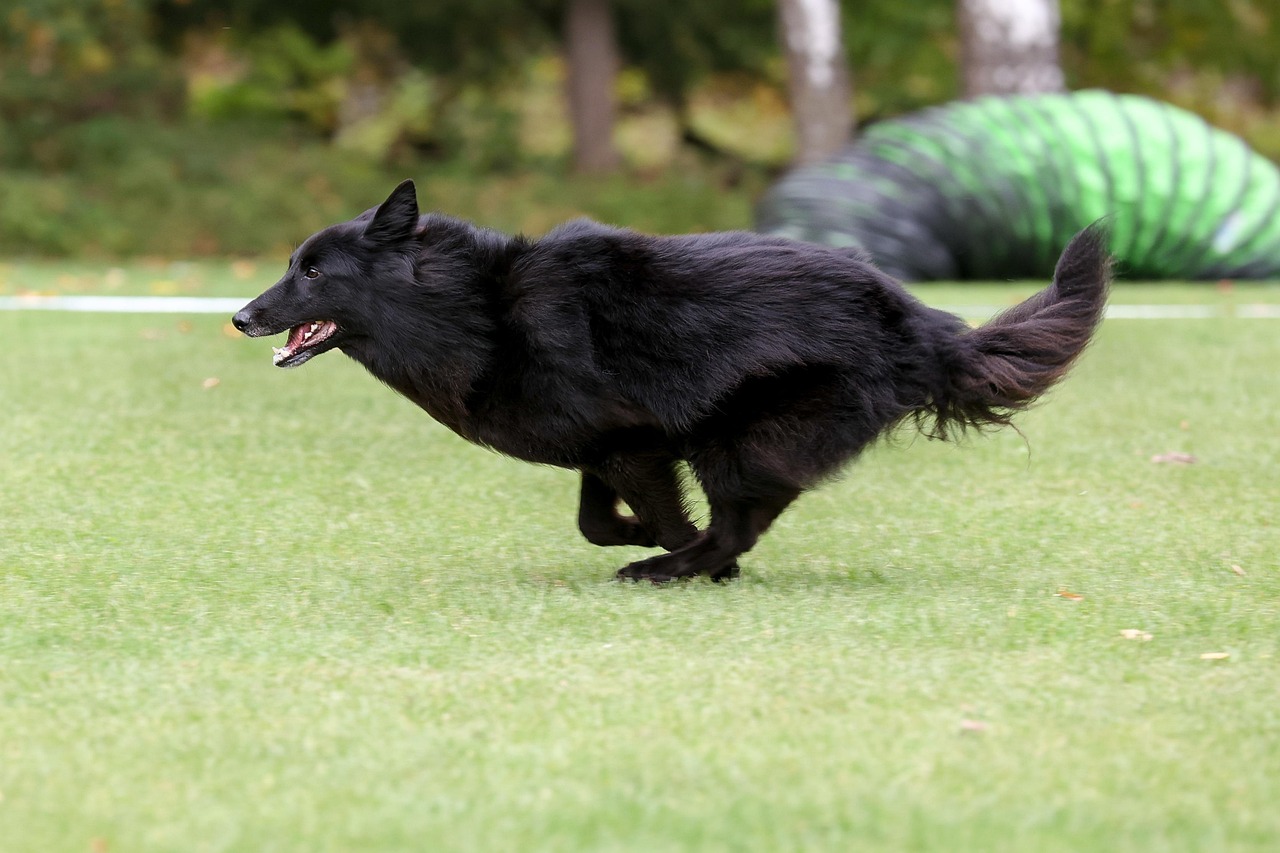

How to Incorporate Agility Training into Daily Walks
Agility training is an excellent way to improve your dog’s physical and mental skills, and one of the best methods to incorporate this training into your routine is through daily walks. To start, consider taking a lighter version of agility equipment to your walking location, such as cones or tunnels. This equipment can easily be carried, set up, and dismantled while you’re out. As you walk, look for natural elements like logs or uneven terrain that can serve as obstacles to enhance your dog’s coordination. Always remember to encourage your dog with positive reinforcement, so they feel motivated to engage in the activities you introduce. Additionally, it’s crucial to choose specific areas, like parks that have open spaces and safe environments to allow your dog to practice agility maneuvers. Practicing agility walks not only allows your dog to learn new skills but also helps in establishing a stronger bond through shared fun and activities. If you find that other dogs or people distract your dog, consider bringing a toy along to refocus their attention back to you.
Next, introducing structured activities during your walk can make agility training even more effective. One method is to designate certain spots along your walking route where your dog will practice specific tasks. These can include obstacles such as jumps or weaving between trees. As your dog becomes more adept at these tasks, progressively increase the difficulty to keep things engaging. For example, try varying the speed at which you walk or the distance between obstacles to challenge your dog further. Incorporating commands, such as ‘jump’ or ‘weave,’ can also help give your dog clear expectations about what they are supposed to do. Keep sessions short but engaging—around 10 to 15 minutes of focused agility training during walks is often enough to maintain enthusiasm. Remember to consistently praise your dog and offer treats for their efforts, ensuring they understand the positive aspects of the training. Finally, when your dog demonstrates successful execution of the tasks, it’s beneficial to celebrate with a brief play session or a toy reward. This rewards-based approach reinforces their desire to learn and participate.
Use of Rewards in Training
Using rewards effectively in agility training during daily walks will enhance your dog’s learning experience significantly. First, always have a selection of treats on hand that your dog loves. When you begin a training exercise, make sure to reward your dog immediately after they show a desired behavior or complete an obstacle successfully. The timing of the reward is essential—it should be prompt to reinforce the action. Also, vary the types of rewards by using both treats and toys; this keeps your dog engaged and looking forward to the training sessions. Different dogs may respond better to varying types of motivation, so feel free to experiment with what works best for your pet. Additionally, consider using verbal praise, such as enthusiastic tones or cheerful words, to boost your dog’s confidence. As their skills improve, you can gradually reduce treat frequency while maintaining verbal compliments to challenge your dog even further. This balance ensures your dog remains motivated for agility exercises while learning that skills are rewarding in various ways.
Another important aspect to keep in mind is the duration and frequency of your agility training during walks. Setting aside a specific part of your routine for agility practice can bring structure and expectation for both you and your dog. For example, if you typically walk for thirty minutes, dedicate the first ten to fifteen minutes to agility exercises. The remaining time can be spent relaxing and enjoying free play or sniffing around. Consistency is key when it comes to effectively incorporating agility training into your routine. It would also be beneficial to gradually increase the training duration as your dog builds stamina and confidence, but avoid overwhelming them. Agility work can be intense and cause fatigue if overdone—always keep a close eye on your dog’s energy levels. If they seem tired or disinterested, allow them a break to catch their breath. Moreover, staying aware of their limits will help ensure that your training is always a fun and rewarding experience, maintaining their enthusiasm for learning new agility skills.
Adapting Training to Your Environment
It is essential to adapt your agility training techniques based on the environment during your daily walks. Urban settings offer unique challenges; for instance, the presence of various distractions such as noise from traffic or passerby people can be overwhelming. To combat this, start agility exercises in quieter areas before gradually introducing distractions. Additionally, look for suitable locations where you can set up agility equipment without causing disruption to others. In rural or suburban areas, enjoy the benefits of natural obstacles and varying terrains, which can create dynamic training opportunities. Use elements like streams or hills to encourage your dog to navigate different challenges. The more diverse the training locations, the more adaptable your dog will become. It is also helpful to sometimes change your walking routes to keep your dog excited and engaged. Consider scouting local parks or fields with open space to set up agility stations while you walk. Remember, an exciting environment stimulates your dog’s mind—making agility training more effective and constructive overall.
Ensuring your dog’s safety while incorporating agility training into your daily walks cannot be overstated. Prioritize using a sturdy and secure leash that provides control during training exercises, especially in bustling areas. Harnesses may work better than collars since they can offer more comfort and security for the dog. Always check the ground for any potential hazards, such as sharp objects or slippery surfaces, before allowing your dog to practice agility maneuvers. Whenever possible, keep a first aid kit readily available during walks, just in case of any accidental injuries. Furthermore, be mindful of the weather conditions; avoid walking during extreme heat as it could affect your dog’s performance and well-being. Carry plenty of water to keep your dog hydrated during your walks, especially after vigorous agility exercises. If your dog shows any signs of fatigue or discomfort, allow them sufficient time to rest, providing positive reinforcement so that they understand the pace of play. Additionally, be observant of other nearby dogs to prevent unwanted confrontations during agility practice.
Building Long-term Agility Skills
Lastly, focus on building long-term agility skills that will serve your dog beyond daily walks. Consider setting up regular training goals to ensure consistent improvement while keeping your training sessions varied and engaging. It’s also beneficial to record your dog’s advancements in a training journal, noting any challenges faced and milestones achieved. This record helps track progress while identifying areas that need more work or reinforcement. If possible, join agility classes or groups that provide a structured environment to practice skills with others, allowing your dog to learn alongside its peers. These options help maintain your dog’s social skills while practicing agility. Always remember that agility training is not just about honing skills but also about creating enjoyable experiences together. Balance rigorous training with fun games that reinforce agility skills in a more relaxed setting. Regular assessment of your dog’s abilities ensures that you are setting appropriate challenges in their training. Ultimately, the goal is to maintain a strong bond while encouraging healthy physical and mental stimulation through agility training.
In conclusion, incorporating agility training into daily walks is beneficial for both you and your dog. It enhances the walk experience, promotes physical fitness, and develops essential life skills. As you introduce agility elements, keep your dog’s interests and energy levels in mind to ensure a positive experience. Focus on using rewards judiciously, maintaining safety, and adapting your training to your environment. Remember to celebrate successes and maintain open communication with your dog during training sessions. Providing an engaging and energetic training atmosphere ensures your dog looks forward to each agility session. Consistency in practice will lead to enhanced skills while solidifying the relationship you share with your pet. Celebrate small victories during training to keep the excitement alive. Over time, watch as your dog’s confidence grows with each new skill learned. The joy of participating in agility training will not only lead to a well-rounded dog but also strengthen your bond. With patience and persistence, incorporating agility into your daily walks will create lasting memories and a more vibrant partnership with your canine companion.