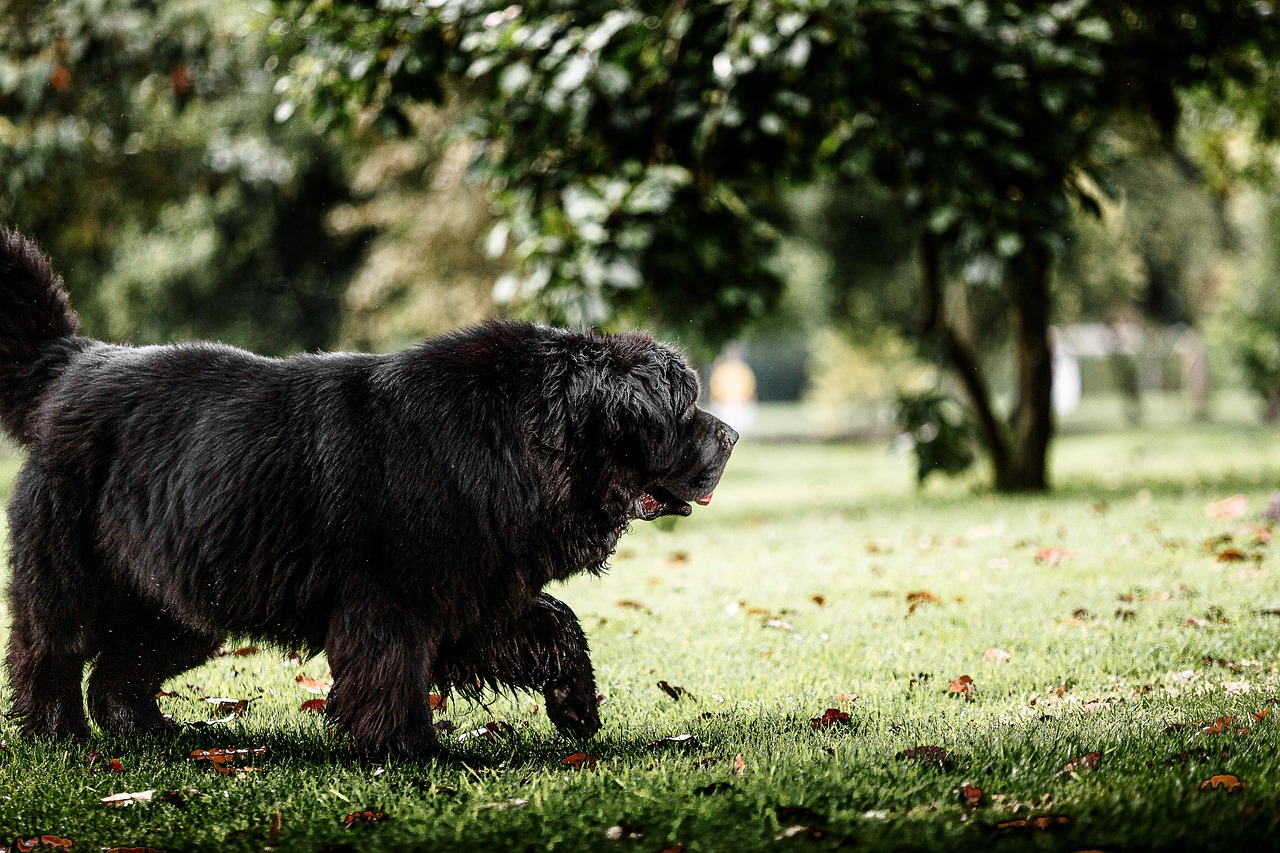

Introducing Large Dogs to New Environments
Socializing large dogs can be an essential skill to master. It starts with introducing them to new environments, which helps them feel comfortable in different situations. One effective way to initiate this process is to choose familiar surroundings, like your backyard or a local park. Over time, expose your large breed to more challenging areas, such as busy streets or dog parks. These environments present various sights, sounds, and smells, serving to acclimate your dog to change, ultimately fostering greater confidence in unfamiliar spaces. Positive reinforcement plays a pivotal role in this stage. Within new surroundings, encourage calm behavior using treats or praise, reinforcing their trust in you. Make the experience enjoyable by incorporating play and exploration, gradually increasing exposure times as your dog adapts. Another helpful strategy is to schedule regular outings, promoting habitual acclimatization and easing anxiety. Understand each dog is unique; some may require more time. Monitor their reactions closely, adjusting your approach based on their comfort level during the process. Consistency and patience will lead to successful socialization, helping your large dog thrive in various scenarios, making them a more rounded companion.
Gradual Exposure Techniques
Gradual exposure is vital in socializing large breeds in new environments. Begin with short excursions to low-traffic areas, introducing a safe space to explore. Keeping experiences positive fosters a sense of security, crucial to developing their social skills. Always maintain a relaxed demeanor, as dogs often read their owner’s body language. If you appear anxious, they’ll likely follow suit, becoming stressed or overwhelmed. The aim is to build confidence through positive experiences. Incorporate fun activities, like fetch or simple obedience drills, amidst new surroundings. Engage with other dogs and owners to facilitate interactions, but always prioritize commands to maintain control. Gradually increase engagement time with various stimuli to work through any apprehensions they might exhibit. For large breeds, distractions can be significantly amplified due to size. Thus, consider introducing new elements one at a time, allowing them ample time to process each before adding the next. Remember that patience is key; if reactions are negative, it’s crucial not to rush them back into the situation. Consistent, positive experiences will eventually encourage your dog to view the world around them with curiosity rather than fear.
Reward systems are key in encouraging good behavior during socialization. Use treats to reinforce positive reactions when interacting with new environments. When your large dog remains calm, give them a treat or praise to associate the new experience with positive reinforcement actively. Repetition of this method enhances their learning process, making them eager to explore additional environments without stress. Ensure that the treats are high-value to maintain interest; use something special they don’t usually receive. Consider incorporating toys as an alternative reward to keep them engaged throughout the socialization process. Hanging out with other friendly dogs can also enhance their social skills; however, make sure these dogs are well-trained to avoid overwhelming your large breed with raw energy. Monitor their interactions, keeping them short and fun, then gradually increase duration. Never force your dog to interact if they seem uncomfortable, as this can negatively impact their sense of security. Their confidence will grow as they adapt to new places and socialize with other dogs. Observe their body language not just for signs of stress but also for signs of enjoyment and excitement as they learn to navigate new situations.
Positive Interactions
Facilitating positive interactions is essential to your large dog’s successful socialization. Arrange playdates with other well-behaved dogs to enhance social skills. Ensure these dogs have compatible temperaments to limit the likelihood of confrontation. A relaxed setting enables large breeds to observe and interact at their own pace, decreasing potential anxiety. During these sessions, supervise closely to manage any conflicts, ensuring interactions remain solicitous and friendly. Different breeds vary vastly in temperament, so establishing compatible friendships is crucial for long-term socialization success. Be present to guide their interactions, demonstrating how to play appropriately. If your dog appears hesitant, create distractions or engage in activities that promote fun and exploration. Group training classes can also serve as a beneficial resource. Basic training within a structured environment helps reinforce commands while exposing your dog to different stimuli and fellow dogs. Make attending these classes part of your regular routine, providing consistency in this crucial phase of development. This structured environment typically results in positive experiences that help solidify the socialization process, ensuring that your large dog remains confident and relaxed during new encounters.
Utilizing various environments can enhance a large dog’s socialization journey. Once basic introductions are successful, begin transitioning to different contexts, like grocery store parking lots or outside cafes. Accompany them during each outing, maintaining composure to ease anxiety. Whenever possible, engage in positive activities, like fetching or playing with toys, to keep your dog motivated and focused on you rather than their surroundings. The world can be overwhelming for a large breed, and gradual exposure helps mitigate fear responses. Expecting them to adapt too quickly can be counterproductive. Focus on quality over quantity when introducing new experiences. Celebrate small victories in their adaptation by providing praise and rewards. If they respond positively to specific sights or sounds, encourage those encounters as a foundation to help them build confidence. To further enhance their experience, consider creating a socialization checklist. This will serve as a guide for each new environment and the types of information your dog will engage with. Structuring your introduction systematically ensures your large breed receives a holistic acclimatization. The more stable their acceptance of diverse scenarios becomes, the greater their confidence and ease in navigating various surroundings.
Ongoing Socialization Habits
Establishing a long-term habit of socialization is crucial for large breeds. Continual exposure to various environments keeps them adaptable and engaged. Make outings a regular component of your routine, whether weekly trips to parks or exploring new walking trails. Each experience builds their confidence while mitigating potential anxiety or aggression towards unfamiliar situations. As they grow accustomed to these environments, gradually introduce new challenges, like off-leash parks, where dogs interact freely. Observing other dogs will teach them vital social cues essential for dog interactions. Ensure positive experiences are prioritized during all interactions, encouraging balance in their learning curve. Consistency leads to positive reinforcement, which is vital during this growth stage. Regularly inviting pet-friendly visitors over can further expose your large dog to different personalities, cultivating adaptability in habitual interactions. Join local clubs or groups focused on large breeds; these communities often help provide socialization opportunities among peers. Strive to remain observant of your dog’s reactions, modifying your approach when distress signals are perceived. Socializing your large breed should be a joyful, collaborative experience, benefiting both their character development and your relationship together.
To conclude, socializing large breeds is a multifaceted process requiring preparation and patience. Continuous exposure to new environments, positive interactions, and gradual acclimatization will create a well-rounded and confident dog. Emphasize enjoyable experiences during outings, fostering excitement as they explore the world around them. Each new careful introduction lays the groundwork for their social development, establishing a secure foundation upon which they can build. Every large dog is unique; thus, passing an understanding of their individual needs will deepen your bond during this process. Use your partnership as a guiding framework for the socialization journey. Remember that the goal is to create not just a well-socialized dog but a happy one eager to experience life alongside you. Responding with love and encouragement will pave the way for a substantial journey into the world of canine confidence. As long as this method is rooted in kindness, your large breed will undoubtedly thrive. With thoughtful planning and unwavering commitment, you and your four-legged friend will share amazing adventures while enjoying every twist and turn exploring new environments.