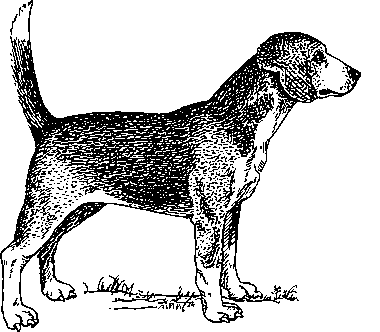

Tail Wagging and Its Effect on Human-Dog Bonding
Understanding dog behavior is essential for nurturing a strong bond with our canine companions. One of the most interesting aspects of dog behavior is tail wagging. This simple yet complex action expresses a multitude of emotions and reactions in dogs. Scientists have studied this phenomenon extensively. The position, speed, and style of the wagging tail serve as valuable insights into a dog’s feelings. For instance, a tail wagging rapidly at a high position generally indicates excitement or happiness. Conversely, a slow wagging motion with the tail positioned low may signal insecurity or fear. Additionally, if a dog’s tail is stiff and held high, it can indicate alertness or a potential threat. Understanding these nuances of tail wagging is crucial for dog owners. It allows them to decode their pet’s emotions and improve communication. Fostering a deeper understanding enables owners to respond appropriately. The results are beneficial for both the dog and the owner, resulting in a harmonious relationship built on trust and affection. Ultimately, comprehending your dog’s tail language plays a vital role in enhancing the emotional connection between you and your furry friend.
A dog’s tail is not merely an extension used for balance; it’s an essential tool for communication. Dogs communicate a wide array of feelings through their body language, and tail wagging plays a significant role in this non-verbal dialogue. By interpreting these subtle cues, dog owners can better understand their furry friends. For example, observing the speed and direction of a wagging tail can reveal specific emotions. A gentle wag may indicate reassurance, while a vigorous side-to-side movement often symbolizes joy and excitement. Additionally, how a dog wags its tail can provide insight into its social standing in mixed-pet environments. For instance, submissive dogs will often wag their tails lower than more dominant dogs. Owners should also consider the context when observing tail wagging, as different settings may change a dog’s emotional state. Many researchers emphasize the importance of not solely relying on tail movement for understanding. Other body language signals, such as ear position, body posture, and facial expressions, should be considered holistically. By combining these observations, owners can form a clearer picture of their pet’s inner feelings and motivations.
The Role of Tail Wagging in Bonding
The significance of tail wagging extends beyond individual communication; it plays a crucial role in human-dog bonding. A wagging tail often serves as a greeting ritual between dogs and humans, establishing immediate rapport. When a dog approaches with a wagging tail, it typically invites interaction. This positive body language encourages owners to engage, enhancing emotional connections. As humans respond with affection, treats, or playtime, the dog learns that tail wagging elicits rewarding interactions. This mutual exchange reinforces their bond and promotes trust. Scientific studies indicate that dogs tend to wag their tails more enthusiastically in the presence of their favorite humans, showcasing the connection formed over time. Moreover, the act of petting a dog while it wags its tail releases oxytocin, often termed the ‘love hormone’ in both the dog and the owner. This hormone increases feelings of affection and attachment. The synchronicity formed through these moments fosters a deeper emotional resonance between the two species. Ultimately, tail wagging serves as a catalyst in creating vibrant, trustworthy, and loving relationships between dogs and their human companions.
It is essential to consider the origins of tail wagging behavior for a deeper understanding of its effects on bonding. Dogs, descended from wolves, evolved tail communication as a social signaling tool within their packs. Tail movements helped convey emotions, intentions, and social standings among wolf members. This inherent form of communication has persisted through domestication. In essence, dogs still express their emotions through their tails, despite their varying environments. This behavior aids in the understanding of human interpretations of dog emotions. A keen grasp of these signals can foster better interactions and solidify the bond. Traditionally, certain breeds exhibit different wagging styles due to their unique temperaments. For example, Labrador Retrievers often wag their tails exuberantly, while Greyhounds may adopt a more subdued approach. Understanding these subtleties encourages dog owners to appreciate their pet’s unique personality traits. By acknowledging this history and its transference to modern canines, owners can utilize positive reinforcement techniques to strengthen the bond with their pets. This understanding further enhances the emotional intelligence shared between humans and dogs, ultimately leading to a healthier relationship.
Emotional Intelligence in Dogs
Research suggests that dogs possess a remarkable level of emotional intelligence, making them highly attuned to human emotions. Tail wagging is one of the many ways dogs demonstrate their ability to perceive and respond to human moods. Studies indicate that dogs can differentiate between happy and angry facial expressions. This adaptability in emotional understanding highlights the deep-rooted bond shared between species. Consequently, when dogs wag their tails in response to positive interactions, they engage emotionally and socially. This connection further emphasizes the need for humans to reciprocate their dog’s affection. Engaging in activities that stimulate positive behaviors, like training, playtime, or simple affection, can enhance the tail wagging experience, leading to mutual joy. Owners who recognize their dog’s moods are likely to nurture stronger relationships through better communication. Furthermore, regular socialization with a variety of people and environments helps dogs fine-tune their emotional responses, improving their adaptability. The resultant emotional intelligence reinforces the bond with their owners and promotes stability and trust, essential for any successful relationship. Therefore, recognizing a dog’s emotional intelligence can significantly enhance human-dog bonding experiences.
As tail wagging is closely tied to a dog’s emotional state, it significantly impacts their overall well-being. A dog that feels understood and connected to its owner is more likely to exhibit calm, relaxed behaviors. Conversely, when dogs are neglected or misunderstood, they may display anxious or defensive tail movements. This can lead to communication breakdowns and hinder bonding. Recognizing the importance of tail wagging is crucial for addressing behavioral issues and encouraging positive dog-owner interactions. Furthermore, tail wagging is an unspoken form of feedback. If a dog’s tail is wagging during social interactions, it usually indicates contentment and readiness to engage. On the other hand, a dog with a tucked tail may signal distress or anxiety, requiring immediate attention from the owner. It is essential to address these issues before they escalate, ensuring dogs feel safe in their environments. Learning to interpret a dog’s tail movements empowers owners to respond effectively, fostering trust and security. Thus, paying attention to tail behavior serves as an essential tool in strengthening the emotional connection between humans and their canine companions.
Conclusion: The Power of a Wagging Tail
In conclusion, the act of tail wagging is a multifaceted behavior with profound implications for human-dog bonding. It is an expressive tool that transcends language barriers, providing insights into the emotional states of dogs. By learning the nuances associated with tail movement, dog owners can enhance their communication with their pets. This improved understanding fosters deeper connections that contribute to a happier, healthier relationship for both parties. Additionally, as dogs and their owners engage in positive interactions, the bond strengthens, promoting overall well-being. Stronger emotional connections lead to more enjoyable experiences, fulfilling lives, and longer-lasting companionship. It is crucial to remember that dogs are social and emotional beings. Their ability to interpret human emotions and reciprocate affection significantly enriches the bond. The more we appreciate the language of tail wagging, the more meaningful the connection becomes. Ultimately, it serves as a powerful reminder of the deep relationship we share with our dogs. By respecting and understanding their communication, we can cultivate a loving and enduring partnership with our furry friends.
In summary, tail wagging reflects much more than mere excitement in dogs; it is a vital aspect of their communication and emotional intelligence. Embracing this understanding can lead to a more fulfilling relationship, as owners recognize and respond to their pets’ needs. Dogs rely heavily on effective communication, and their tail wagging is just one way of expressing their feelings. By paying attention to these cues, dog owners can foster trust and affection in their relationships. Moreover, recognizing the significance of emotional intelligence in dogs helps owners to build stronger bonds. Tail wagging is also closely tied to training and reinforcement. When dogs associate tail wagging with positive experiences, they are more likely to exhibit eager and friendly behavior. This creates a cycle of positive feedback that benefits both dogs and their owners. Ultimately, by understanding tail wagging and its implications, pet owners can create a nurturing environment for their dogs. This understanding not only boosts the overall happiness of their dogs but enriches the harmony within the human-dog bond. Stronger bonds lead to healthier lives for both dogs and their owners, promoting companionship and emotional support.