
Top Shutter Speed Tips for Capturing Dogs in Motion
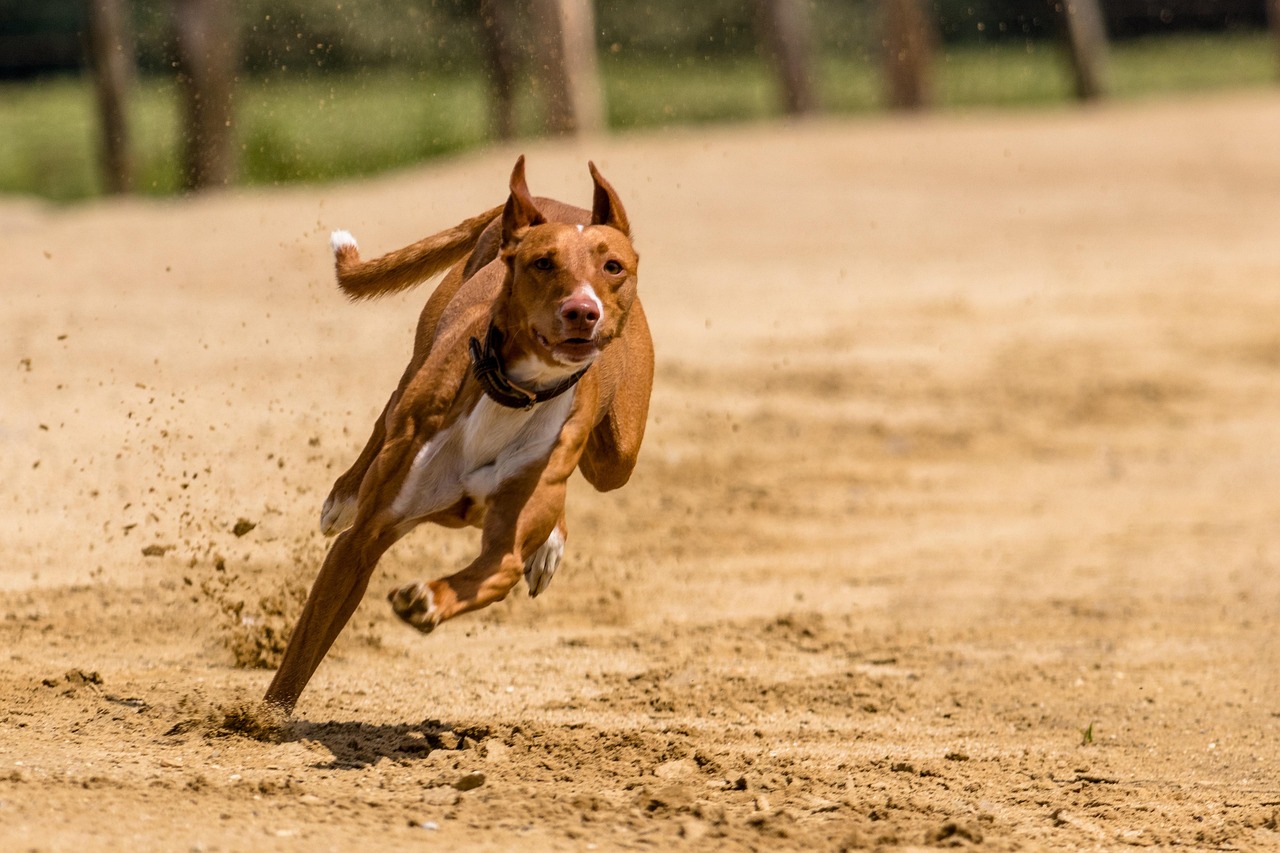
Dog action photography presents unique challenges and rewards for photographers. When capturing furry friends in motion, selecting the right shutter speed can greatly impact your results. Action shots of dogs running, jumping, or playing require quick adjustments to the camera settings to freeze their movements effectively. Start by considering the breed and size of the dog, as larger breeds generally require faster shutter speeds compared to smaller breeds. A starting point is 1/1000 of a second for most action photography, but you may need to go faster for high-speed pursuits. To further enhance your action shots, you can use continuous shooting mode to capture multiple frames in a fraction of a second. This allows for multiple opportunities to capture the perfect moment. Reviewing images on the camera’s LCD will help determine if adjustments are necessary. Exposure settings, focus modes, and lighting conditions also play vital roles in getting the shot right. Outdoor settings typically provide better lighting, but make sure to maintain a quick enough shutter speed to capture the action without blur.
Considering the environment while shooting is equally important. High-speed photography can be influenced by weather, light, and surroundings. Low light often requires a slower shutter speed, which can introduce motion blur. For instance, shooting at dusk may necessitate a fixed camera position and a faster lens to compensate for the increasing darkness. Experiment with background settings to make the subject stand out better. A blurred background can help draw attention to the dog. Using a low aperture (such as f/2.8 or f/4) can achieve this effect beautifully. Be aware of your focus settings, as autofocus can struggle in fast-paced situations. Switching to manual focusing may provide better results, especially in dynamic environments where dogs constantly change directions. Moreover, check that your camera settings allow for quick adjustments on the fly. Creating an intuitive workflow reduces the chances you’ll miss that fleeting moment. Depending on the dog’s behavior, anticipate movements and prepare accordingly. Understanding dog agility and energy can aid in getting the right angle and timing for your shot.
Understanding Shutter Speed Variations
Varying your shutter speed during different activities can yield diverse effects in your photographs. If a dog is trotting, lower shutter speeds may be sufficient to freeze its movement without too much blur. Conversely, when they leap or sprint, utilizing at least 1/1000 second shutter speed ensures you capture the action succinctly. Understanding the relationship between shutter speed and motion can help you create a desired effect. If you’re looking for a sense of movement, slightly slower speeds can add motion blur, portraying a dynamic action aesthetic. However, if you want to capture crisp, clear images, maintaining that rapid shutter speed is essential. Adjusting your camera’s settings, in relation to the available light, is crucial here. Moreover, shooting in burst mode can be advantageous at any shutter speed, as it captures multiple frames rapidly. You’re less likely to miss that precise moment when the dog takes off or jumps gracefully in the air. Paying attention to the dog’s demeanor and behavior will enable you to anticipate when the next perfect moment will occur.
Another key consideration in action photography is the importance of timing. Capturing a fleeting moment may seem like luck, but it is often the result of careful observation and experience. Watch the dog’s body language and begin to anticipate its movements in real-time. This attentive approach will allow you to adjust settings in preparation for that crucial moment. Additionally, consider framing your subjects against a complementary background. A less cluttered backdrop will prevent distractions and keep the focus on the dog, especially when using large apertures to blur the background. Choosing an appropriate lens is essential; have a zoom lens ready if you’re photographing at a distance, or a fast prime lens if you’re closer. The balance between your environment and timing plays a significant role here. Always be ready since dogs have a knack for surprising their owners with unexpected leaps or bursts of speed. Utilize the continuous focus feature on your camera if available. This allows you to keep the dog in focus, despite its unpredictable movements during play.
Preserving Energy for Optimal Shots
Photographing energetic dogs takes more than just technique; it requires an understanding of each dog’s energy levels. Before beginning a shoot, gauge the animal’s mood and readiness. If the dog is too energetic, it might be challenging to get clear shots. Sometimes, easing them into action with a toy or cue can create controlled bursts of energy. This technique essentially ensures the dog isn’t overly excitable but is engaged and ready for action. As a photographer, you’ll want to have plenty of energy yourself to keep up with the dog during your session. Wearing comfortable shoes and being prepared to move fast are essential. Also, using a camera strap will provide you with ease and stability while running around capturing these moments. Rely on quick reflexes and situational awareness to adjust your position or settings without interrupting the flow of their activities. Keep the camera at eye level to capture images from the dog’s perspective. This approach often yields more exciting and relatable shots, emphasizing the grace and athleticism of our furry companions.
Lighting is yet another critical component of successful dog action photography. Natural lighting is typically preferable, as it provides a softer and more flattering light than flash. However, depending on your location and time of day, you may face unpredictable changes in sunlight. Shooting early in the morning or late in the evening can provide beautiful, golden-hour lighting. If taking pictures indoors, consider using continuous lighting or simply enhancing the ambient light by opening curtains or doors. Keep an eye on shadows that can distort images and create unattractive fractals on the dog’s coat. If necessary, a reflector can help bounce light onto your subject to illuminate them more evenly. Pay attention to your camera settings regarding ISO, aperture, and shutter speed. A lower ISO can create cleaner images, while a wider aperture allows more light to enter the lens. Adjust your settings based on changing light conditions to maintain clarity in your images. Therefore, flexibility and adaptability are crucial to successful dog action photography, intuitively responding to the environmental changes.
Post-Processing Techniques
After the action shoot is complete, post-processing can enhance your images significantly. This stage allows you to refine your captures, bringing out the best features of your photographs. Begin with adjusting exposure levels to correct any inconsistencies that may have occurred during shooting. Slightly increasing contrast can add depth, making the dog’s fur and features pop. Sharpening the image helps emphasize details lost in motion blur, drawing the viewer’s eye to the subject. Also, cropping can greatly improve the composition by eliminating distracting elements in the background. Experimenting with different color adjustments can amplify the mood and feel of your photographs; subtle changes in saturation can sometimes enliven a dull image. Be careful not to over-edit; maintaining the dog’s natural appearance is crucial in action photography. Using actions or presets can save time and create a consistent aesthetic across your shots. Save your final images in high resolution, providing options for printing or sharing online. These techniques allow your hard work in capturing vivid action shots to truly shine.
In conclusion, mastering dog action photography requires a combination of technical skills, understanding dog behavior, and thoughtful consideration of environmental factors. Achieving the right shutter speed is critical to freezing moments of high-energy activity. Moreover, being attentive to a dog’s energy and body language will greatly enhance your ability to capture stunning images. Don’t forget to be flexible with your camera settings according to light variations and experiment with composition techniques to make your photos compelling. Shift focus when necessary, using techniques that highlight the action and emotion of the dogs in action. Also, refining your work through post-processing can elevate the quality of your images significantly. Each photograph tells a story, encompassing the dynamic spirit of our canine companions. Practice is essential; take the time to observe, experiment, and learn from the invaluable moments spent with dogs. There is no right way to shoot, so create a style that fits your preferences and the subject’s personality. In time, your skills will improve, enabling you to capture breathtaking images of dogs in motion, preserving their joy for years to come.