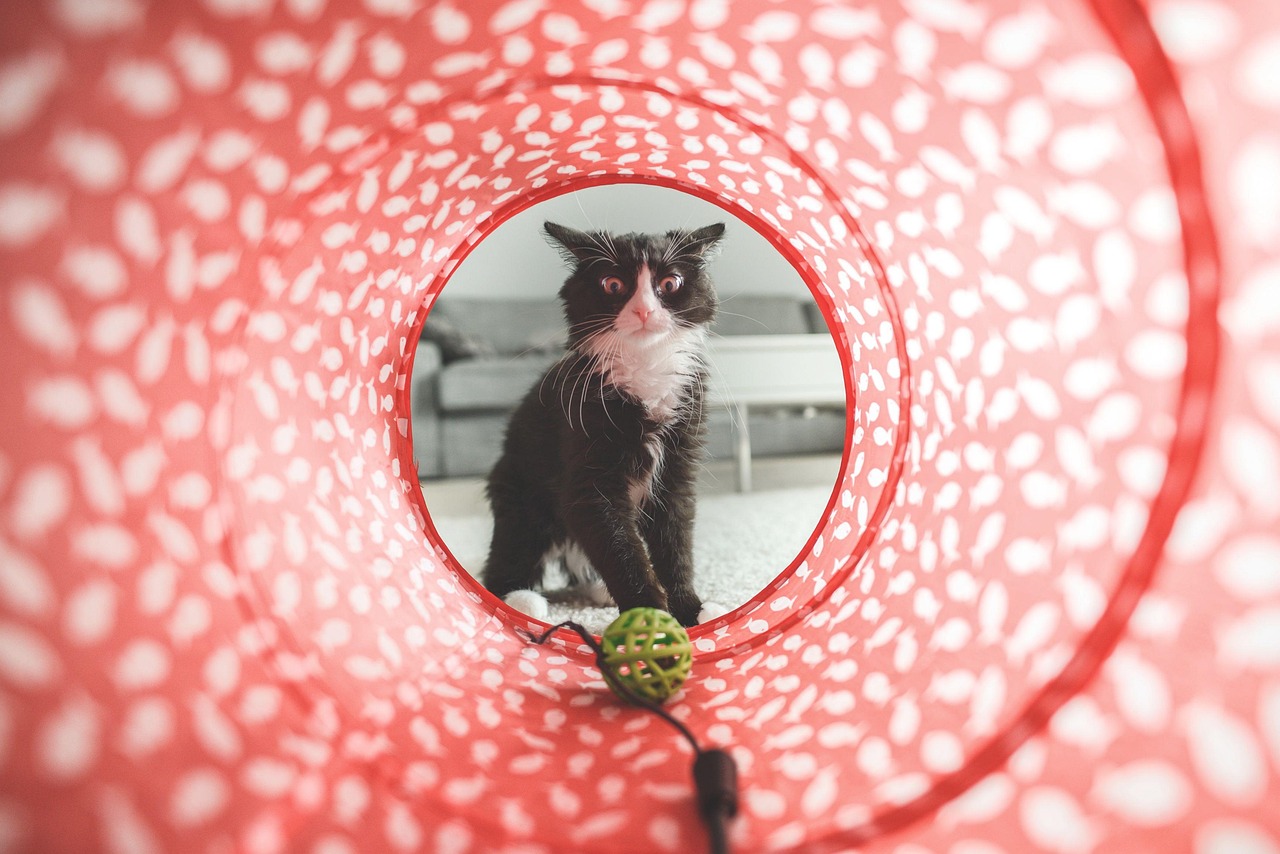

Troubleshooting When Your Cat Refuses Feeding Toys
When your cat refuses to engage with feeding toys, it can be puzzling and frustrating. First, examine the type of feeding toy you have chosen. Some cats are naturally more attracted to certain textures or shapes. If the toy is too complex, your cat may become disinterested or confused. Opt for simpler designs initially, progressively introducing more intricate toys as your cat becomes accustomed to the idea. Additionally, observe your cat’s play behavior. They often respond well to interactive toys that mimic prey. Engage with the toy yourself to show your cat how to use it. You can entice them with their favorite treats as a reward, gradually encouraging them to investigate the feeding toy on their own. Cats are curious creatures, so use this curiosity to your advantage by placing the toy in intriguing locations. Keep the atmosphere relaxed, ensuring your cat feels secure while exploring. If they show no interest even after trying these tips, consider the possibility of hunger. Sometimes cats refuse to engage simply because they are not sufficiently hungry. Adjusting their feeding schedule may yield better results.
In addition to exploring the types of toys and your cat’s hunger, the overall environment plays a crucial role in a cat’s willingness to engage with feeding toys. High levels of stress or distraction might prevent your cat from focusing on the toy. Ensure the area is quiet and free of loud sounds or interruptions, which can be pivotal in drawing a cat’s attention. Having a safe space where your cat feels comfortable can significantly increase their curiosity toward feeding toys. Take note of other pets in the house too; their presence can either encourage or deter your cat. If necessary, create separate feeding times for pets or use barriers to ensure your cat is comfortable when exploring feeding toys. Furthermore, cats have varying energy levels and activity patterns. Observe your cat’s most active times of the day and schedule playtime accordingly, making the feeding toy more appealing. With patience and persistence, you can help your cat embrace feeding toys as a fun and rewarding experience. Remember, every cat is unique, and their preferences may take time to uncover.
Consider the Type of Food Used
Another essential factor in troubleshooting feeding toy issues is the type of food you are using. Cats can be finicky eaters, and their preferences may vary greatly. Some cats might not be particularly attracted to dry kibble or the specific treats you’ve chosen to use in the feeding toy. Experimenting with various types of food can make a significant difference in your cat’s interest levels. For instance, softer treats or wet food may entice your cat far more effectively than standard dry kibble. Consider incorporating different flavors, as cats can sometimes be picky about taste. Additionally, ensure that the treat sizes are appropriate for the feeding toy and your cat’s breed. If the pieces are too large, your cat may not be able to manipulate them well, causing frustration. Monitor your cat’s reaction to various food types as you attempt to train them to engage with the feeding toys. Over time, you will likely identify their favorites, leading to a more enjoyable and fruitful feeding experience using the toys.
Understanding your cat’s unique quirks and habits is vital in this training process. For example, some cats may prefer to watch rather than play, requiring more time before they engage. Take note of your cat’s behaviors and body language when presenting the feeding toy. If they seem hesitant or fearful, consider an alternative approach to introducing the toy. You could eliminate distractions and place the toy in a quieter environment where they feel more comfortable. This gradual introduction can promote a sense of security and trust, welcoming them to explore at their own pace. Keep in mind that the goal is to create a positive association with the feeding toys rather than forcing interaction. Regularly intersperse your attempts with affection and encouragement, reinforcing that the feeding toy is a fun and non-threatening option. If your cat remains disinterested after several attempts, patience is key. Taking breaks and allowing your cat to come back to the toys on their own terms can yield better success in developing a curious engagement.
Address Health Issues
While troubleshooting can focus on your cat’s behavior, it’s also essential to consider their health. Health issues may sometimes contribute to a lack of engagement. If your cat seems unusually lethargic or uninterested in regular activities, consult a veterinarian to rule out potential health concerns. Dental problems, for instance, may make it difficult for your cat to chew or bite into harder feeding toys. Additionally, digestive issues can lead to a reluctance to eat, affecting how they respond to toys designed for feeding. Monitoring your cat’s overall physical condition can provide essential insights into their behavior. Sometimes, a simple adjustment in their health regime, such as a dental cleaning, can revive their interest in feeding toys. Ensuring your cat is healthy should be your priority. Always pay close attention to any changes in their eating habits or general comfort. An unwell cat may require more time before engaging with feeding toys, and understanding their needs can foster a better relationship with their playtime.
Building a routine with the feeding toys can also significantly impact how your cat engages with them. Cats thrive on consistency, and incorporating feeding toys into their daily schedule may prove beneficial. Make it a point to use feeding toys at the same time daily, creating a sense of anticipation and excitement around these activities. Consistency will help your cat learn that feeding time is positively associated with the toys. Over time, as they become more familiar with the routine, their willingness to engage with them should increase. You can cleverly mix up the types of feeding toys used to maintain interest, always ensuring they are appropriate for their size and skill. Additionally, tracking progress through this routine can help you assess which methods have been most successful in encouraging interaction. A journal can serve as a useful tool for noting any gains or setbacks in behavior. Training a cat can take time, and acknowledging small victories along the way can significantly increase your motivation and understanding of what works for your furry friend.
Maintain Patience and Positivity
Lastly, patience and positivity are incredibly important when troubleshooting feeding toy issues with your cat. Becoming frustrated with the process can inadvertently create tension between you and your pet, leading to an even longer resistance to engaging with toys. Remember that every cat is unique and may respond differently to various strategies. Your approach will require time and willingness to adapt as you discover what resonates most with your cat. Utilize positive reinforcement, offering praise and treats when they show any curiosity towards the feeding toy, whether it’s a sniff or a gentle nudge. Ensure that every experience surrounding feeding toys remains enjoyable for your cat. If they remain uninterested, it’s essential to allow them to walk away without any pressure on their part. Respecting their boundaries will foster trust, encouraging them to explore the toys when they are ready. Always celebrate progress, regardless of how small, and keep a lighthearted spirit to transform the introduction into a fun and positive experience.
In conclusion, troubleshooting feeding toy resistance in cats involves understanding their unique preferences, providing a stress-free environment, and being attentive to their health needs. It ultimately combines a mixture of experimentation and consistency as you assess their reactions creatively. When introducing feeding toys, maintaining a calm and patient demeanor helps build a trusting bond with your cat. Celebrate the successes, no matter how insignificant they may seem at first. Each small gain is an opportunity for learning and refining your method to ensure your cat fully enjoys the feeding toys. Remember, the key is to view this not as a chore but as an engaging experience that strengthens the connection between you and your cat. In the end, your patience and efforts can significantly enhance your cat’s exploration of new feeding habitats, turning mealtime into an enjoyable challenge. With the right approach, feeding toys can promote mental stimulation and physical health, creating a well-rounded routine for your beloved feline friend. Happy training, and may your cat soon delight in using their feeding toys!