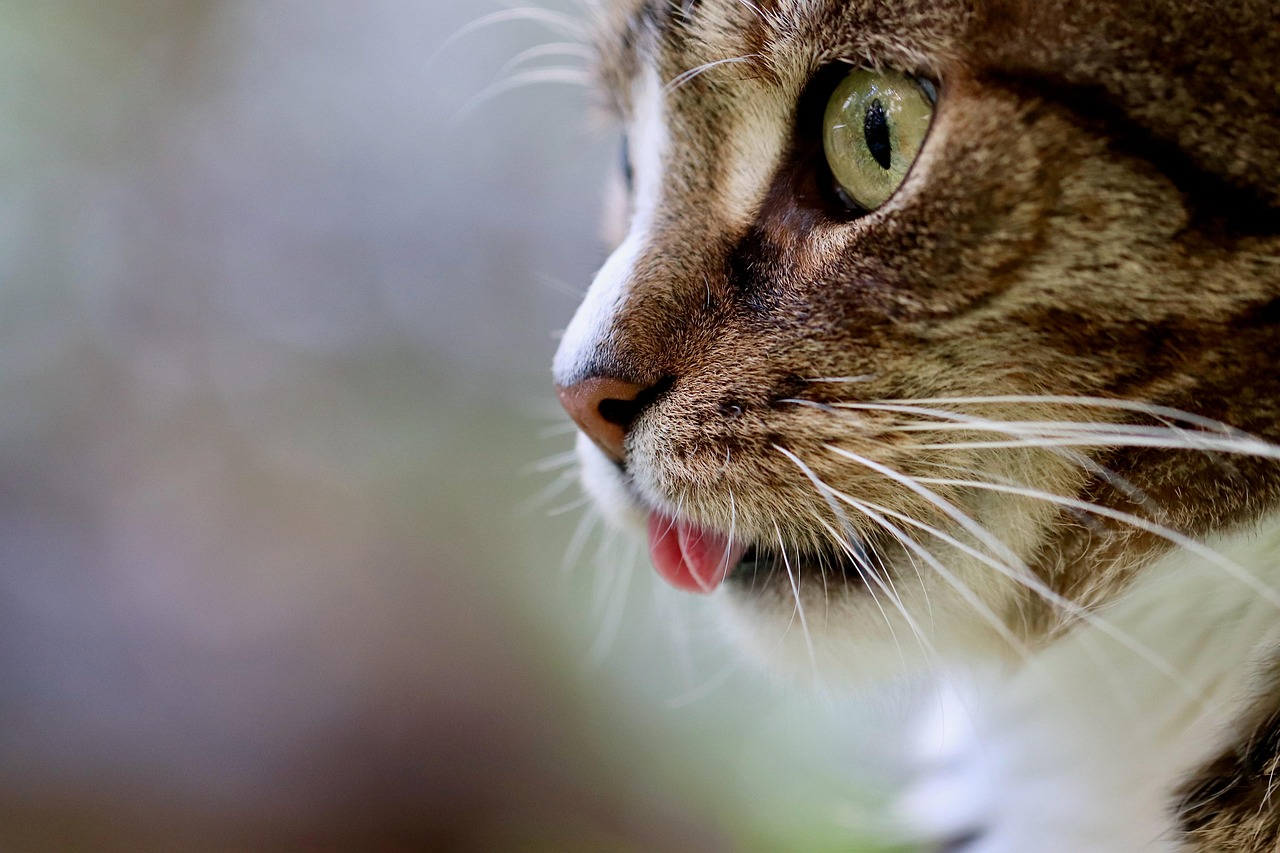

Using Scent Exchange to Facilitate Cat Introductions
Introducing a new cat into a home with existing pets can be challenging. Managing the introductions correctly is crucial for fostering a harmonious environment. One effective method to smooth the process is using scent exchange, which helps acclimate the pets to one another without direct contact. The concept is simple, allowing each pet to familiarize itself with the other’s scent, thus making future encounters less stressful. Start by gathering items like blankets, toys, or bedding from each cat. Allow the cats to interact with these items in their own spaces. You might consider placing one cat’s used blanket into the territory of the other. Additionally, it’s beneficial to rub a cloth on one cat and then on another to transfer scent temporarily. This approach can create a sense of familiarity, which could ease anxiety. Give them time, and don’t rush the scent exchange. Each cat is an individual with its comfort level, so patience is essential. Furthermore, monitor the reactions closely, ensuring that neither pet shows signs of stress or aggression during this process. Building a positive association with each other’s scents is essential.
The next important step is to maintain a peaceful, controlled environment during the introduction process. It can be beneficial to create separate spaces for each cat, allowing them to have their own areas while they become accustomed to each other’s scents. This facilitates a safe space where they can explore their new belongings without feeling threatened or overwhelmed. Gradually introduce the scent items, switching them daily or every few days. This will help them associate the presence of the other cat with positive experiences. Reward them with treats or affection whenever they show curiosity about the scent items. It also helps if you engage both cats in playtime with interactive toys, reinforcing the idea that good things happen when their scents mix. Alternatively, some cat owners find success using pheromone diffusers that mimic the calming pheromones of cats. These products can help reduce stress during the introduction phase. It’s essential to observe their reactions to these scents and adjust accordingly. If one cat appears anxious or agitated, take a step back and slow down the process. Creating a harmonious atmosphere ultimately leads to happier pets.
The Importance of Positive Reinforcement
Incorporating positive reinforcement can significantly improve the scent exchange process. While they explore the new scents, give them treats and praise for showing curiosity towards each other’s belongings. This encourages them to associate the scents with positive outcomes, forming a more comfortable bond over time. Using this method, you can slowly increase their exposure to one another until they are ready to meet face-to-face. Gradually introduce short, supervised interactions in a neutral area, close to where the scent items were placed. This allows both cats to feel safe and reduces territorial instincts that may initiate conflict. Observing their body language is crucial: watch for tail position and ear movements, which indicate their comfort level. If any signs of stress appear, do not force interaction; retreat and allow them more time to adjust to the scents. Gradually increasing their interactions and providing positive reinforcement will help create a more successful introduction process. It also builds trust and lets them know that being near each other is a safe experience. Over time, they can learn to coexist peacefully, enhancing the overall atmosphere at home.
Maintaining routine is also key during this transition period. Cats often thrive on structure and consistency, which can offer reassurance during times of change. While they are adapting to each other’s scents and eventual presence, keep feeding and playtime regular. Continue the scent exchange while ensuring each cat feels their needs are met. Keeping their routines consistent provides stability and helps them feel secure despite the changes. Pay close attention to how each cat is responding and be flexible in your approach. If either cat shows prolonged signs of distress, consider slowing down the introductions. Gradually increase their interactions based on their responses to each other’s scents, ensuring not to push them too far too fast. If all goes well, you’ll see them showing more interest in one another. They may begin to explore parts of the house shared by both cats. This progressive approach allows both pets to create their own boundaries respecting each other’s space. By remaining attentive, you’ll facilitate a smoother transition that leads to harmonious coexistence between your beloved furry friends.
Understanding Individual Temperaments
Every cat has its distinct temperament, which can influence how they respond to new scents and fellow pets. Some cats are naturally more curious and open to new experiences, while others may be reserved or shy. Understanding your pets’ personalities is key to successful introductions. Pay attention to their behavioral cues while engaging in scent exchange. If one cat appears agitated, patience might be necessary, allowing for extended periods of scent acclimatization instead of rushing the physical meeting. Cats who display playfulness may find the process easier. They might be more willing to explore new scents and approach another animal. On the other hand, more timid cats may require extra time. Use calming strategies, like low-volume music or pheromones, during the exchange. Additionally, provide their favorite hiding spots so they can retreat if they feel overwhelmed. The goal is to support both cats in feeling comfortable and secure. Remember to avoid forcing interactions, as this can lead to stress or aggression. By respecting each cat’s personality and comfort level, you create a supportive environment conducive to successful introductions.
Another critical factor in the scent exchange process is environmental enrichment. Creating an engaging home environment can alleviate stress during introductions and help both cats feel at ease. Elements like vertical spaces using cat trees, perches, and safe hiding spots provide opportunities for exploration and comfort. Cats enjoy observing their surroundings from a high vantage point and may feel more secure when they can escape to their safe spaces. Providing them with interactive toys can also encourage independent play, reducing the focus on each other. Ensure that you have sufficient resources, like litter boxes, food bowls, and scratching posts available, allowing for easy sharing of spaces. Multiple resources can help minimize territorial disputes as both cats acclimate to their new living arrangements. You may also consider rotating toys, providing novelty that keeps their interest piqued. The aim is to keep both cats engaged, minimizing stress and uncertainty during the introduction period. With environmental enrichment, both cats can gradually gain confidence. Over time, they will learn to enjoy each other’s presence and establish a stronger bond.
Concluding Thoughts on Successful Introductions
Successfully introducing a new cat to your home requires time, patience, and a thoughtful approach. The foundation begins with effective scent exchange strategies that help each cat become accustomed to each other’s presence in a non-threatening manner. Incorporating positive reinforcement during this process further reinforces their experience, ensuring that fostering a positive association is built. Each cat’s individual temperament and environmental stability will greatly affect how smoothly the introduction unfolds. Continue observing both cats and their reactions, adjusting your methods as necessary. If needed, take additional steps to create a welcoming environment through environmental enrichment, as this can ease tension during the transition. With a keen understanding of their needs and behaviors, you can gradually nurture their friendship. The ultimate goal is to cultivate a peaceful coexistence between both felines. Remember that every success, large or small, is a step towards integration. Once comfortable with each other, they can develop a close bond that enriches your household. Careful planning leads to happy lives for both pets, creating joyful moments together that you will cherish.
By focusing on these strategies, new pet owners can navigate the nuances of feline introductions. Through dedication and careful observation, you will witness those cute companionship moments, filled with curiosity and joy as they learn to trust one another. As a cat owner, seeing your pets thrive together in harmony brings great satisfaction. Celebrate their milestones, whether it be gentle interactions or shared playtime. With love, patience, and understanding, you can create the perfect home environment for your furry friends, fostering a sense of community among the pets. Beyond mere coexistence lies the potential for friendship and bonding that can last for years to come. Equip yourself with knowledge and take the time to prepare for this rewarding journey. Remember that success takes time, and every positive interaction is a step in the right direction. Building rapport can lead to delightful antics and lasting memories that add joy to your life. Finally, share your experiences and learn from other pet parents, gathering insights that can help further ease introductions. The rewarding journey of integrating pets can start with these foundational strategies.