
Water Training Techniques for Retrieving Hunting Dogs
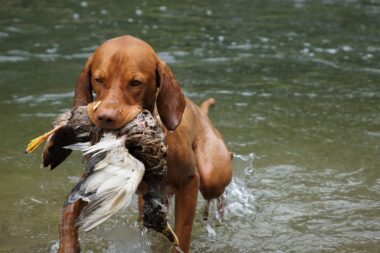
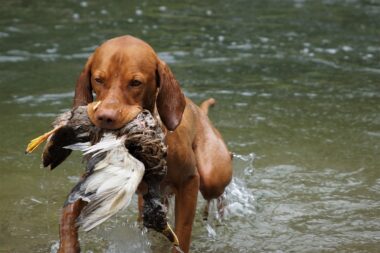
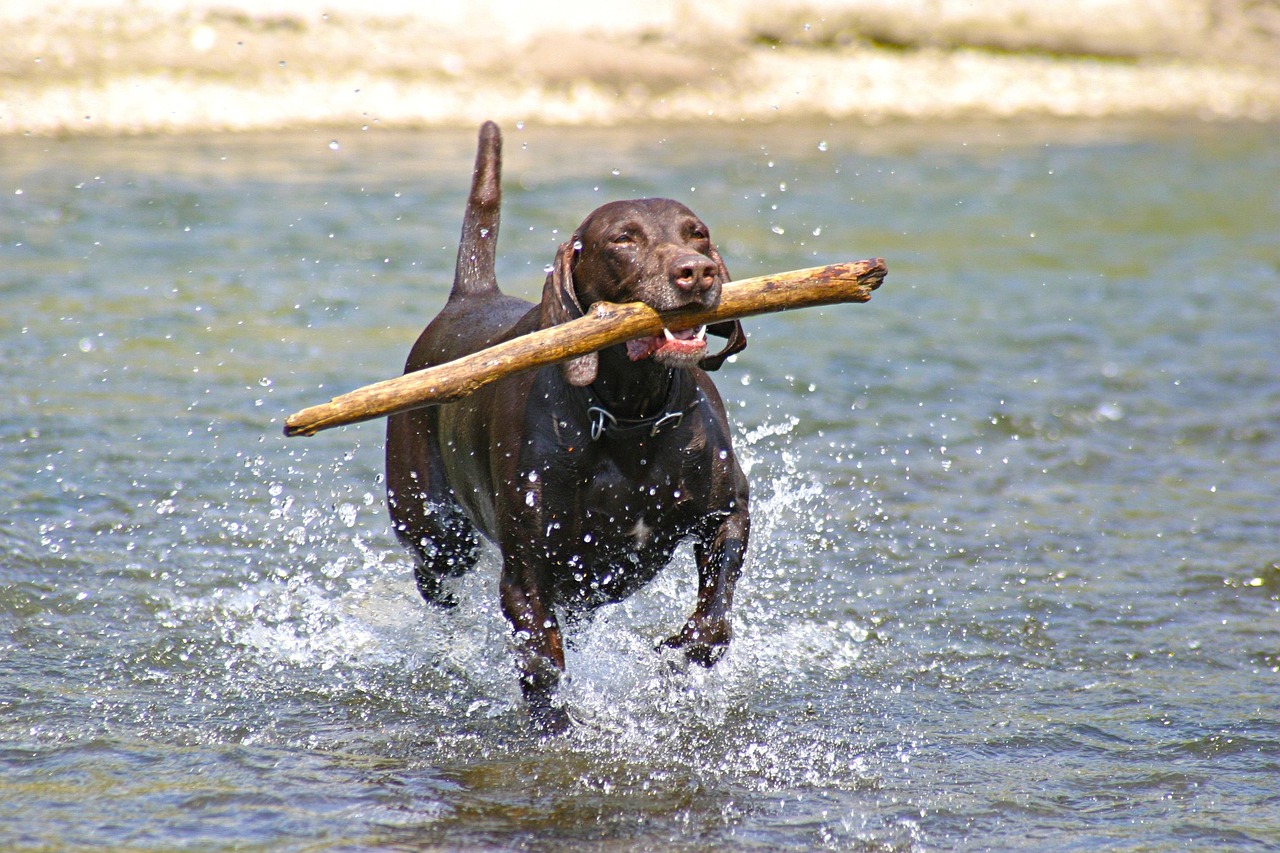
Water training techniques are essential for hunting dogs specialized in retrieving. These techniques not only enhance the skills needed to retrieve from water but also instill confidence in the dog. Thus, preparing them for various hunting conditions becomes important. First, begin the training sessions in shallow water, allowing your dog to acclimate to the surroundings. Use a favorite toy or retrieving dummy to encourage the dog to enter the water. As the dog gains confidence, progressively increase the water depth. Consistent practice will improve the dog’s swimming skills.
In addition to acclimatization, positive reinforcement plays a crucial role during training. Whenever the dog successfully makes a retrieve, reward them with praise and treats. This helps associate the water retrieve with positive emotions. It’s also important to incorporate different types of retrieves, such as objects of various sizes and weights. This variety keeps the training interesting for your dog and simulates real hunting scenarios. Another critical aspect to consider is the impact of the weather on training sessions. Ensure the training is conducted in safe weather conditions.
Furthermore, a good technique is to utilize a slip lead when introducing your dog to water. This aids in controlling them initially while allowing them to explore their newfound environment. Always remember to keep sessions short initially, about 15 to 20 minutes. Over time, you can extend the duration as your dog adapts to the water. Incorporating practice drills like sending your dog from a distance to fetch items can be beneficial too. This encourages the dog to focus on the task at hand and aids in reinforcing obedience as well.
Consistency is key during water training. Schedule regular training sessions weekly to build on your dog’s abilities gradually. On certain days, take time to practice swimming techniques, ensuring that your dog feels confident in the water. Mixing short retrieves with swimming drills keeps the training dynamic. As your dog masters the basic retrieves, gradually introduce distractions that mimic hunting situations. This prepares them to focus amidst potential distractions in real hunting environments. For better results, it can help to train with other dogs.
Strategies for Advanced Training
For advanced fetching drills, you can train in different environments, such as rivers, lakes, or ponds. Training in diverse locations helps your dog adapt to various terrains and conditions. During these exercises, utilize a proper buoyant retrieve dummy that’s visible in water, ensuring your dog can find it quickly. Allowing your dog to watch you throw the tool can significantly enhance their focus. If your dog experiences difficulty in retrieving, offer support by wading into the water to help.
Throughout these advanced training sessions, maintaining your dog’s safety is paramount. Ensure that the water body is free from hazards, such as debris or strong currents. While training, keep a close watch on your dog’s stamina and comfort levels. If they appear fatigued, provide them with plenty of rest breaks. Stay hydrated, especially during warm weather. Providing ample breaks not only maintains your dog’s energy levels but also cultivates enthusiasm for training, encouraging them to look forward to future sessions.
Finally, remember that variability in training routines keeps your dog engaged. Every few sessions, introduce new challenges like launching dummies from various angles. This will develop their retrieval instincts and keep the sessions refreshing. Use water toys in different colors to visually stimulate your dog, enhancing search skills. Incorporate commands and hand signals consistently, which solidifies communication between you and your hunting dog. Establishing trust through regular training will not only create a well-rounded retriever but also a loyal companion.
In retrospect, mastering water training techniques for retrieving hunting dogs takes time and patience. It’s a blend of physical skill development, mental stimulation, and creating a positive environment. Prioritize building your dog’s water confidence while ensuring safety at every step. Keep the experiences rewarding, creating opportunities for success. By following these strategies, you are nurturing a highly competent hunting dog, ready for various challenges. Ultimately, success in hunting not only depends on the dog but also on the training provided by you, the handler.