
Filters That Help Highlight Playfulness in Cat Photography
Capturing the playful essence of cats can be a delightful challenge for photographers. Using filters can enhance your photos dramatically while focusing on a cat’s lively personality. Specialty filters can modify light and color vibrance, fascinating effects that create a unique atmosphere in your pictures. For example, a polarizing filter can eliminate unwanted reflections from shiny surfaces. When using outdoor natural light, this filter deepens the blue of the sky while providing contrast to your furry model’s coat. Additionally, you might want to consider using a color filter to add a specific tone or mood to your photographs, such as warm colors, which evoke feelings of joy and playfulness. A yellow or orange filter could make your cat appear even more vibrant and engaging, enhancing the image quality overall. Pay attention to how these filters influence the background elements, which can help draw attention to your cat during playful moments. By adopting these filters artistically, you will impress viewers while showcasing your creativity.
Understanding the types of filters available in the market is crucial for cat photographers. Various filters are tailored to fulfill distinct photographic needs, enabling you to experiment and create stunning images of your playful feline companions. Neutral density (ND) filters are among the most useful options for those shooting under bright conditions. This filter reduces the amount of light entering the lens without affecting color balance. Consequently, you can achieve wider apertures, resulting in a beautifully blurred background that focuses attention on your cat’s playful antics. Additionally, using an ND filter can be beneficial for long exposure shots, providing a silky effect on moving subjects like cats. Moreover, a UV filter serves another practical purpose. Beyond protecting your lens, it can subtly enhance clarity and color fidelity in your images, ensuring that your cat’s fur looks vibrant and fluffy. Remember to clean your filters regularly to prevent spots and blemishes on your photographs. Choosing the right filter can unlock artistic opportunities you might not have considered, providing a boost to your cat photography.
Different Filters to Consider
There are several filters that can significantly impact how you portray playfulness in cat photography. Each type brings out unique aspects of your subject, whether it’s lighting, color, or mood. A soft focus filter can add a dreamy quality to images, suitable for showcasing a cat’s playful spirit in a whimsical way. This filter introduces a romantic feel, making your photos appear enchanting, especially in gentle light. Likewise, a star filter can produce eye-catching starburst effects around light sources, captivating viewers and emphasizing festive or cheerful moods. Hence, when your cat is playing with sparkling toys or under bright lights, employing a star filter can create an ambiance of whimsy. Moreover, an infrared filter offers the opportunity to explore a different world of surreal imagery. This filter converts foliage and certain textures dramatically, resulting in unexpected yet striking images that highlight your cat’s activity in an artistic ambience. By mixing different filters creatively, you can conceive a series of photographs that convey numerous playful narratives.
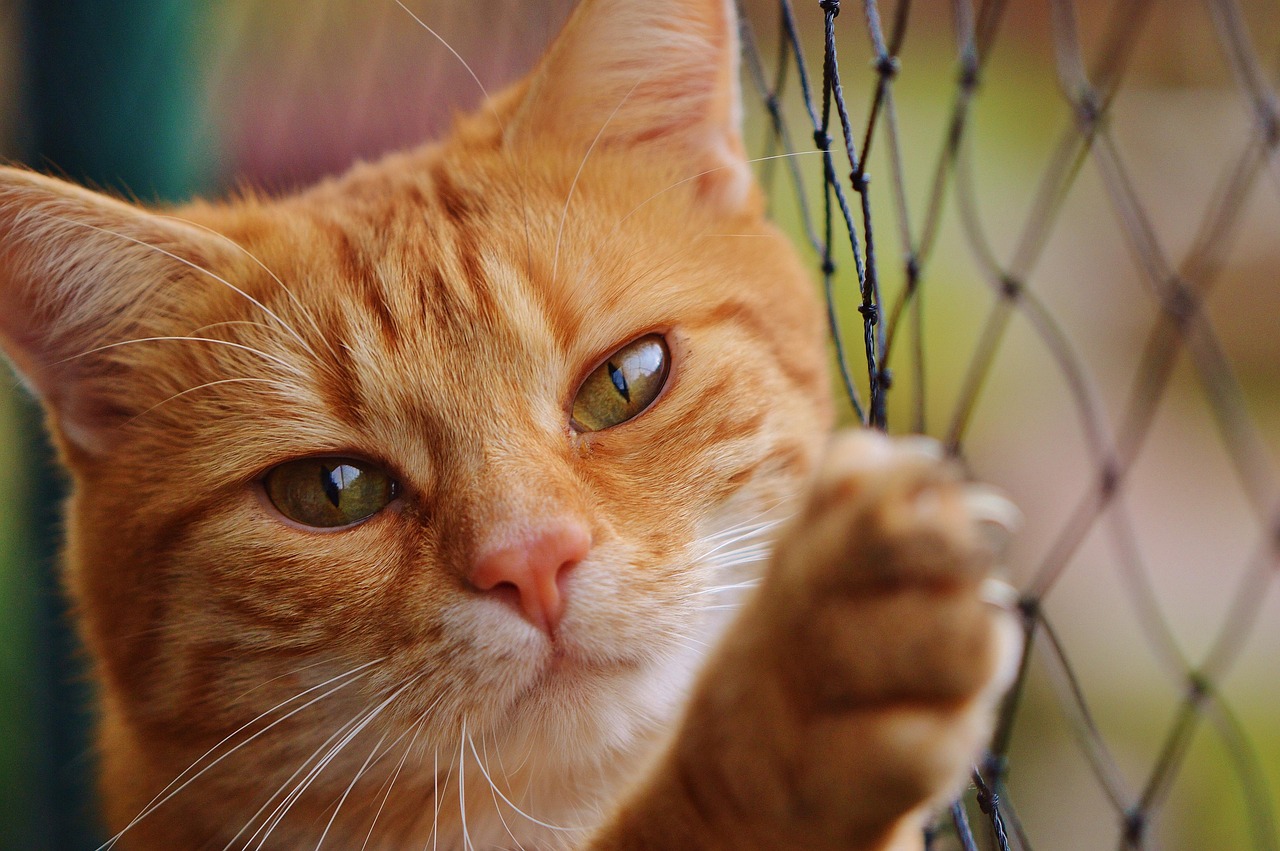
Evaluating the impact of depth of field (DoF) is an essential part of cat photography. Using filters can indeed help enhance DoF, allowing you to highlight the details associated with your cat’s playful expressions. A shallow depth of field emphasizes your cat in a blur, enhancing its characteristics. Utilizing a fast lens coupled with a light filter can intensify this effect. This technique emphasizes the cat’s eyes, fur texture, and adorable expressions, ensuring its playfulness is central to the composition. When shooting candid moments, it’s important to capture a cat mid-pounce or with a toy in its paw. Employing the right technique that showcases this energy while adjusting the DoF and using beneficial filters to maintain clarity can elevate your work significantly. Additionally, consider experimenting with the angle and distance when photographing your cat. Different perspectives can alter the scene’s dynamics, making the cat appear larger than life when it plays. The combination of strategic framing and appropriate filters can collectively narrate the joy and spontaneity that cats embody during their playful hours.
Post-Processing Techniques
Enhancing cat photographs doesn’t end with filters during the capture phase; post-processing techniques can optimize your images further. Many photographers utilize editing software to fine-tune colors, brightness, and sharpness after the initial shoot. While traditional filters can create immediate effects, post-processing allows you to amplify those effects or correct any discrepancies. For instance, if a filter has dulled the image’s vibrancy, you can easily boost the saturation in a photo editing program to bring the joy back into the image. Furthermore, consider utilizing a sharpening tool to clarify fine details, like the playful swish of a cat’s tail, emphasizing its lively nature. Additionally, experimenting with contrast can add depth and dimensionality to your images, enhancing their emotional appeal. However, excessive editing may lead to unnatural images, so maintain a balance between enhancement and realistic portrayal. Furthermore, remember to maintain consistency across your collection, as this helps create a recognizable style. These post-capture techniques combined with filters can elevate the quality and storytelling in your cat photography immensely.
Lighting plays a pivotal role in successfully capturing the playful essence of cats in photography, and choosing the right time and setup can significantly enhance your photos. Natural light is often ideal for showcasing your furry friend’s lively behaviors. The golden hour, shortly after sunrise or before sunset, provides a warm, soft glow that envelops your cat beautifully. This kind of lighting highlights silhouettes and adds depth, bringing a playful vibe to any composition. Use reflectors or diffusers during midday shooting to soften harsh shadows but avoid stark contrasts detrimental to your cat’s features. Additionally, consider experimenting with backlighting to create a silhouette effect; this technique emphasizes the motion of your cat as it plays, producing a striking image. When using a filter, reflect on how it interacts with various light sources. Some filters modify light color, which can enhance the mood of your photographs. Ultimately, a keen understanding of light combined with appropriate filters will help craft a delightful, engaging portrayal of your cat’s playful nature.
Conclusion
In conclusion, using filters in cat photography provides an exciting avenue towards capturing the playful spirit of our feline friends. Filters not only modify light and color but also inspire creativity, leading to remarkable images that tell a story. Whether utilizing soft focus to evoke whimsy, polarizing filters to manage reflections, or playful star effects that amplify the joyous energy of cats, these tools are invaluable. Combining filters with proper techniques such as manipulating depth of field and strategic lighting can enhance creativity and visual appeal. Understanding both pre- and post-processing techniques can elevate the finished product significantly. Remember, the key to successful cat photography is seizing the essence of playfulness when it strikes, capturing those intoxicating moments of joy and spontaneity. The next time you’re exploring cat photography, consider experimenting with diverse filters and methods to breath life into your images, creating delightful stories that resonate. In doing so, you’ll not only capture beautiful pictures but also create lasting memories of the playful essence of cats.