
Signs of a Good Trainer-Owner-Dog Relationship
Building a solid trainer-owner-dog relationship is essential for effective dog training. A good trainer fosters mutual respect between the owner and their pet, ensuring both understand their roles. This relationship dramatically impacts the dog’s learning process. Trust is vital, where the dog feels safe to explore and learn. Not purely physical, it deeply affects behavioral development. Additionally, communication plays a critical role. Both the dog and owner must effectively convey their intentions and emotions. A skilled trainer demonstrates how to communicate through clear verbal cues and proper body language. Observation is an essential skill; both the trainer and owner should learn to read the dog’s signals. A dog that feels comfortable will show engagement through eye contact and relaxed posture. Consistency and patience, key traits of a good trainer, lead to a trustworthy relationship. This means using the same commands or techniques each time. Celebration of small victories reinforces desirable behaviors while building a bond. Lastly, following through with discipline calmly is crucial. Recognizing the dog’s mood allows owners to adjust their approach, enabling more effective training while solidifying this vital relationship.
Having a good trainer is crucial for the long-term learning and growth of your dog. A trainer who builds a solid rapport with both the owner and their dog creates a familiar environment. This trust alleviates anxiety during training sessions, allowing the dog to learn more efficiently. Moreover, the owner should feel involved in the training process. Trainers who empower owners foster a more collaborative environment. A competent trainer explains concepts clearly, making it easier for owners to implement them consistently. When the owner understands the rationale behind specific commands, they can relay this knowledge effectively to their dog. A good trainer offers continuous encouragement but also emphasizes the need for improvement. This balance motivates both the owner and the dog to strive for excellence in training. Recognizing progress over perfection is crucial; each success, no matter how small, should be celebrated together. Additionally, trainers should be adaptable, recognizing each dog’s unique learning pace. They develop personalized methods tailored to different learning styles. By doing so, trainers ensure that the dog remains engaged and motivated throughout its training journey. This adaptability results in a dynamic, positive relationship between the trainer, owner, and dog.
Understanding Behavioral Signs
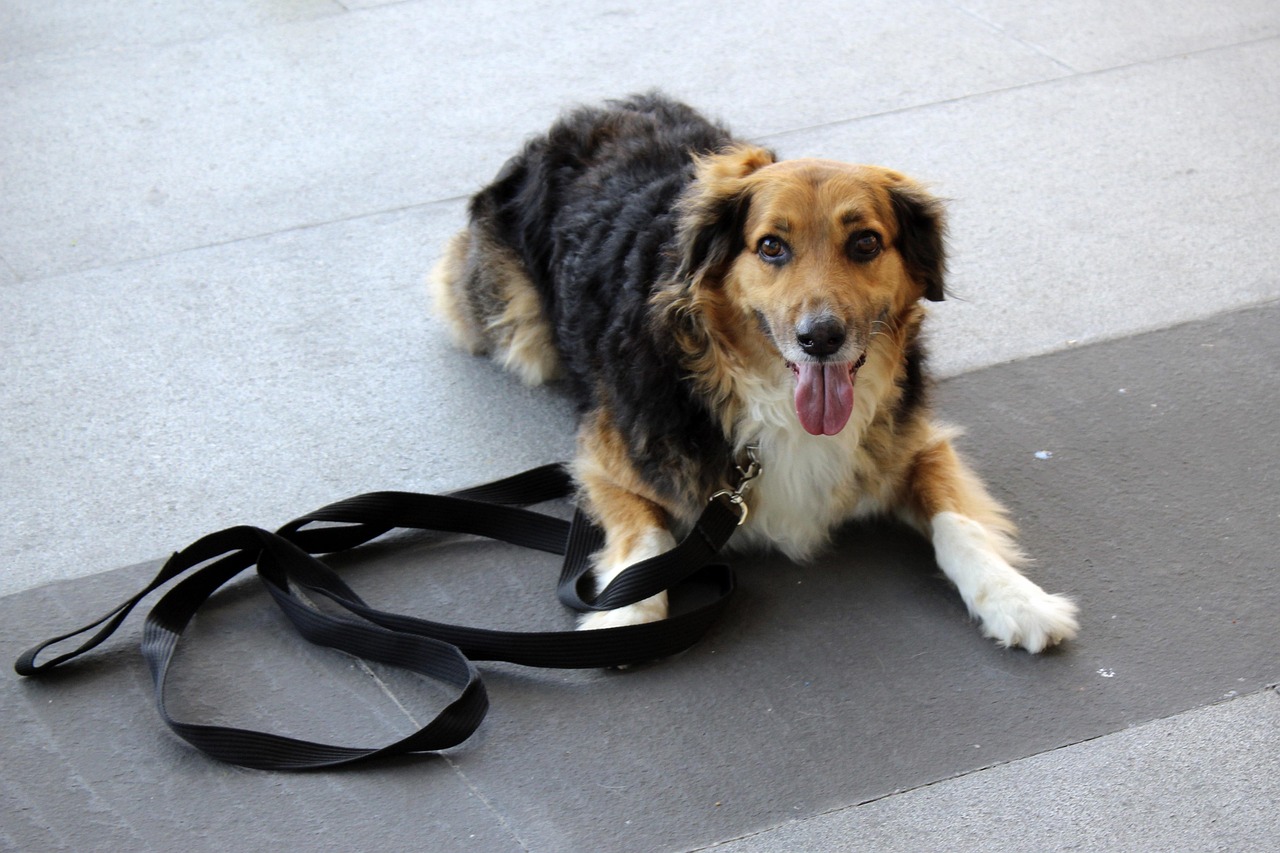
To identify a good trainer-owner-dog relationship, one must examine various behavioral signs. Dogs communicate through body language, which provides insight into their comfort level. A well-adjusted dog will display relaxed body movement, such as a wagging tail and a comfortable stance, showcasing its confidence in the trainer and owner. Additionally, consistent eye contact bolsters the bond between the dog and the trainer. This engagement denotes the dog’s trust in the trainer’s guidance. Another indicator of a harmonious relationship is the dog’s willingness to respond to commands. When a trainer successfully establishes trust, the dog follows commands readily, exhibiting eagerness to learn. Meanwhile, an attentive trainer listens to the owner’s concerns, accommodating personalized training strategies. An effective trainer understands the dynamic shifts between behaviors in various settings, allowing them to modify techniques as needed. Successful training sessions encourage mutual respect, strengthening the rapport among all parties involved. Observing interactions during sessions reveals the extent of understanding and cooperation. As the bond develops, dogs show increased enthusiasm for training, indicating their emotional comfort. Ultimately, recognizing these behavioral signs creates an effective trainer-owner-dog alliance, which is pivotal for successful training outcomes.
Effective communication between all parties reinforces confidence and establishes clarity. A good trainer models appropriate communication styles, ensuring owners are equipped with the tools to coordinate effectively with their dogs. Nonverbal signals, such as hand gestures and posture, play an essential role in training dynamics. Observing how the trainer interacts with the dog reveals much about their relationship. Positive reinforcement encourages the dog to act on cues and commands eagerly. A trainer’s ability to educate the owner about effective praise and corrections directly impacts the dog’s progress. Additionally, a collaborative learning approach is essential, whereby both the owner and trainer share insights for improvement. During training, it’s important to observe how both the owner and trainer interact. A supportive environment nurtures learning, facilitating an open dialogue that benefits all parties. Progress in training not only enhances obedience but also builds trust between the owner and the dog. Celebrating achievements strengthens this bond further, instilling confidence in both the dog and the owner. The trainer’s role in fostering this environment cannot be overstated, as their guidance helps shape a successful training journey that benefits the dog’s future behavior.
The Importance of Consistency
Lastly, consistency proves vital in nurturing a thriving trainer-owner-dog relationship. A successful dog training regimen relies on repeated reinforcement of commands and behaviors. By consistently applying specific cues, both the dog and owner develop a routine that enhances learning. Trainers who emphasize reliability and predictability positively influence the dog’s responses and behavior. Furthermore, regular practice solidifies knowledge and skills, leading to lasting behavioral changes. Owners, too, must understand the significance of establishing consistent routines in their daily lives with their dog. This could be as simple as maintaining regular walking schedules and feeding times. Consistent approaches help reinforce training cues even outside of formal sessions, ensuring that the dog remains engaged and aware of expectations. Additionally, trainers should teach owners how to recognize potential distractions. Managing these distractions requires preemptive measures in different environments. A well-prepared owner is more equipped to handle unforeseen situations, which contributes to the overall strength of their relationship. When dogs sense their owner’s stability, they thrive emotionally and socially. Therefore, nurturing consistency through understanding and practice creates a rewarding dynamic, leading to impressive outcomes in dog training.
In conclusion, selecting a professional trainer who understands the intricacies of the trainer-owner-dog relationship is essential. A good trainer facilitates an environment where trust, communication, and consistency flourish. By recognizing behavioral signals and nurturing these positive aspects, owners can set their dogs up for successful outcomes. Observing the dog’s behavior during training sessions will reflect the bond shared between all parties involved. Efforts to create open lines of communication foster a collaborative approach that benefits everyone. Consistency in training practices not only reinforces positive behaviors but also builds trust, enhancing the emotional connection between the owner and the dog. Owners should take an active role in the training process, engaging fully in their dog’s learning journey. This involvement cultivates a sense of partnership that ultimately leads to more effective training results. Seeking a trainer that prioritizes adaptability and personalized strategies can significantly improve the entire experience. As the relationship evolves, the dog learns to thrive in various environments, proving the success of the trained bond. This harmonious connection between the trainer, owner, and dog will yield a safer and more enjoyable canine experience for all.
Ultimately, the goal of selecting the right trainer is about more than obedience; it is cultivating a helpful partnership as well as enhancing the overall bond. Training is an ongoing journey that requires both commitment and patience. As both the owner and dog experience growth through training, they also develop an emotional affiliation that nurtures mutual respect. When searching for a professional trainer, it is vital to consider their approach, methods, and philosophy surrounding dog training. Understanding their beliefs about the human-animal relationship can provide insight into the experience you will share together. A trainer who prioritizes emotional connections will establish a healthier relationship overall, allowing both the owner and dog to flourish. Owners will find themselves motivated to learn along with their pets. Together, they will build on their experiences, fostering success not only in training but also in different aspects of their daily lives. The importance of this bond can never be overstated. Moreover, a positive trainer-owner-dog relationship will reverberate through various aspects of life, creating a mutually enriching experience that will last long after the training sessions are complete.
Finally, always remember, the journey of dog training extends beyond the training session. It embarks on an adventure where trust, understanding, and love foster a beautiful relationship among the dog, trainer, and owner. As many say, a well-trained dog is a happy dog. Taking the time to recognize the essential signs of a good trainer-owner-dog relationship can significantly impact your dog’s quality of life. A harmonious bond leads to better obedience and improves the emotional health of your canine companion. Seeking out a trainer who blends professionalism with artistry creates environments where dogs truly learn and thrive. Therefore, when investing in dog training, focus not only on the methods employed but also on building a connected, respectful environment. Acknowledging the journey helps to overcome challenges along the way, keeping both the owner and dog motivated. As you move forward in this adventure, cherish the experiences, celebrate the milestones, and stay committed to creating an everlasting bond. The journey may be long, but the rewards it reaps are limitless, paving the way for a deeper relationship filled with trust, understanding, and joy.