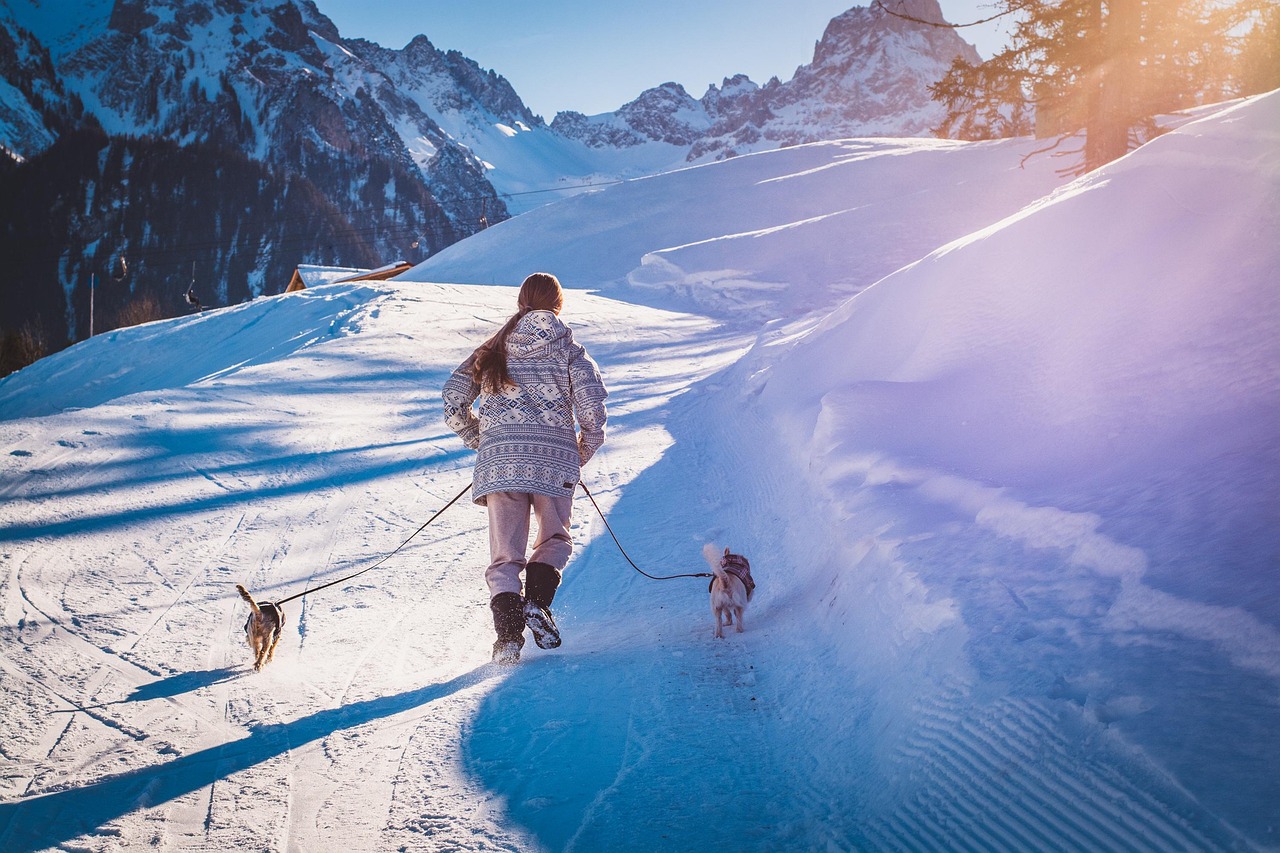

Tips for Outdoor Dog Walks During Winter and Summer
Walking your dog throughout varying seasons presents challenges, especially during extreme temperatures. In winter, you must keep your dog warm and engage in safe outdoor activities. Invest in a quality dog jacket to prevent hypothermia for short-haired breeds. Consider using dog booties to protect their paws from freezing ground and ice. Always check for snow or salt accumulation between their paw pads that can cause discomfort. During summer, be cautious of hot pavement that can burn paw pads. Walk during early mornings or late evenings when temperatures cool down. Hydration is crucial; carry water for both you and your dog and stop frequently for breaks. Keep an eye on your dog’s activity level to avoid heat exhaustion. Watch for signs like excessive panting or fatigue. Ensure that your leash is suitable for both winter and summer. A reflective leash can be beneficial during darker winter months while a lighter, breathable material might be preferred in summer. Choosing the right time and maintaining your dog’s comfort is key to enjoyable walks all year.
Flexible scheduling can enhance your dog walking experience. In winter, sunrise occurs later, allowing you to plan your walks to capture early daylight. Opt for walking paths that are well-lit and clear of ice or snow. Utilize reflective gear for both you and your dog. Carry a flashlight to ensure visibility during short winter days. During summer, mid-morning and early evening walks are optimal to avoid peak heat. Traffic might also be lighter, plus the environment can be more pleasant. In both seasons, consider your dog’s energy levels and physical fitness. Some breeds prefer consistent routine walks while others might thrive on variation. Adjust your walking route to keep things exciting to stimulate your dog mentally. Incorporating training during walks can also be beneficial; practicing commands or playing fetch can improve obedience and engagement. Keep treats handy for positive reinforcement. This strengthens your bond while making walks exciting. Always remember, each dog is unique, so be attentive to their individual needs, behaviors, and preferences as you explore your local area together.
Dog Behavior During Seasonal Changes
Seasonal changes can affect your dog’s behavior and mood. In winter, they may experience slight lethargy due to colder weather. Some dogs might prefer cozy indoor lounging rather than brisk outdoor walks. However, others may enjoy romping in the snow. Observe your dog’s reactions and adjust accordingly to ensure they remain happy and healthy. In summer, dogs might exhibit heightened energy levels but also become overwhelmed by heat. Watch for behavioral changes like restlessness or excessive barking, which might indicate discomfort. Incorporate calming strategies or provide shade breaks during walks. Dogs can also communicate their preferences; some may relish long hikes while others prefer shorter strolls. On hot days, grooming is also crucial. Longer coats may require regular trims to prevent overheating. Ice packs can be a lifesaver for cooling off during summer: make paw-friendly treats to ensure hydration and enjoyment while easing the heat. Monitor your pet closely for signs of fatigue or overheating. Understanding your dog’s behavior can enhance outdoor adventures, ensuring a safe, happy experience all year long.
Safety gear is essential for outdoor walks in all seasons, enhancing comfort and protection. In winter, protect your dog’s paws from ice and salt, which can be harmful. Dog boots can provide necessary insulation and support, preventing injuries. Consider carrying a first aid kit that includes antiseptic wipes and bandages. Have necessary leashes that provide control while ensuring comfort during long walks. In summer, using cooling vests can help regulate your dog’s body temperature on hot days. Hydration is key; keep a portable water bowl handy. Sunglasses for dogs help protect their eyes from harmful UV rays. Ensure when choosing collars and leashes that they are reflective, which can enhance visibility during darker evening walks in both summer and winter. Training on basic commands will also be beneficial in busy areas or during encounters with other dogs or wildlife. Familiarize yourself with emergency contacts for veterinarians along your walking routes. Equip yourself and your dog with proper safety gear ensures that both of you remain protected and can enjoy outdoor walks while staying safe.
Adapting Your Dog’s Exercise Needs
Adjusting your dog’s exercise routine throughout different seasons is vital for their well-being. In winter, shorter, more frequent walks can help build endurance without overwhelming your dog with cold exposure. Consider finding indoor activities such as agility training, or dance exercises that keep them engaged when weather prevents outdoor outings. Utilizing dog-friendly gyms or local training classes also aids in maintaining fitness while preventing boredom. In summer, engage in early morning or late evening walks to avoid peak heat. Always monitor your dog for signs of dehydration; carrying a collapsible water bowl is wise. Swimming is also an excellent form of exercise for dogs during hot months. Encourage fetching games in water, which keep them cool while providing fun. Days spent at dog parks should be closely monitored; ensure shaded areas are available throughout playtime. Regardless of the season, maintaining a consistent exercise routine is crucial for physical and mental stimulation. Every dog has unique needs based on age, breed, and health status, so customizing their routine will contribute to their overall fitness and happiness.
Socialization plays a critical role in a dog’s outdoor experiences year-round. In winter, chilly temperatures can deter outings, but socializing remains essential. Consider group walks or dog-friendly events where dogs can interact positively while allowing you to meet other pet owners. Seasonal gatherings provide great opportunities for enrichment and bonding opportunities. During summer, exposure to diverse environments stimulates both social skills and adaptability. Arrange playdates with other dogs to enhance their social abilities. Visiting dog parks allows for off-leash play, turning walks into a fun and engaging experience. However, assess weather conditions before heading out; high temperatures may be risky, so prioritize early mornings or evenings for outings. Evaluate your dog’s interaction style with other dogs during socialization; you want to encourage positive behaviors while advising on managed interactions. Additionally, seek out local dog meetups or events through community resources. Socialization can significantly enhance your pet’s confidence and reduce anxiety, ensuring well-rounded behavior both in and outside of your home during outdoor adventures.
Feeding Considerations During Outdoor Adventures
Feeding adjustments based on seasonal activities can enhance your dog’s health and energy. In winter, increased calorie intake might be beneficial for maintaining body warmth. Select high-quality, nutrient-dense food to support active outdoor play. Hydration is particularly essential; during cold weather, dogs often drink less. Encourage water breaks during walks to maintain optimal hydration. In summer, energy levels can fluctuate based on temperature; higher protein and fiber content can sustain activity. Regularly provide access to fresh water, avoiding dehydration risks during outdoor escapades. Monitor your dog’s body condition; adjusting portions may help manage weight effectively throughout fluctuating temperatures. Consider lighter snacks for summer trips; dried vegetables or fruits provide healthy, refreshing treats that keep your dog hydrated. When planning your outdoor excursions, bring portable bowls or snacks to make feeding straightforward. Recognize the importance of nutrition; this aids both performance and enjoyment during your walks. Incorporating healthy feeding practices ensures your dog remains fueled, healthy, and energized to enjoy their outdoor adventures whatever the weather.
By following these tips for outdoor dog walks during winter and summer, you can create enjoyable experiences for both you and your dog. Remember, comfort, safety, and engagement are your top priorities. Winter requires attention to warming accessories, while summer demands hydration and heat control. Always consider the individual needs and behaviors of your dog, adjusting your routine accordingly. Incorporating training, socialization, and proper nutrition ensures your dog remains healthy and happy. Encourage regular vet checkups to address any specific health considerations or potential issues that may arise seasonally. By optimizing your dog’s routine for outdoor adventures through adaptability, preparation, and awareness, you will foster a deeper bond and promote an active lifestyle. Discover local parks, trails, or dog-friendly programs that align with your dog’s needs. You can also engage with online communities for shared tips and resources. Outdoor adventures become a beneficial opportunity for both physical activity and mental stimulation, ensuring you and your dog are well-equipped to manage seasonal challenges. Enjoy your walks and cherish the special moments that come with nurturing your bond throughout the seasons.